




NZ Meat Exports to US Hit Record, Boosting Total to All-Time High
New Zealand's total exports hit a second consecutive monthly record in May, driven by surging meat shipments to the US and strong dairy demand, as farmers benefit from high commodity prices.
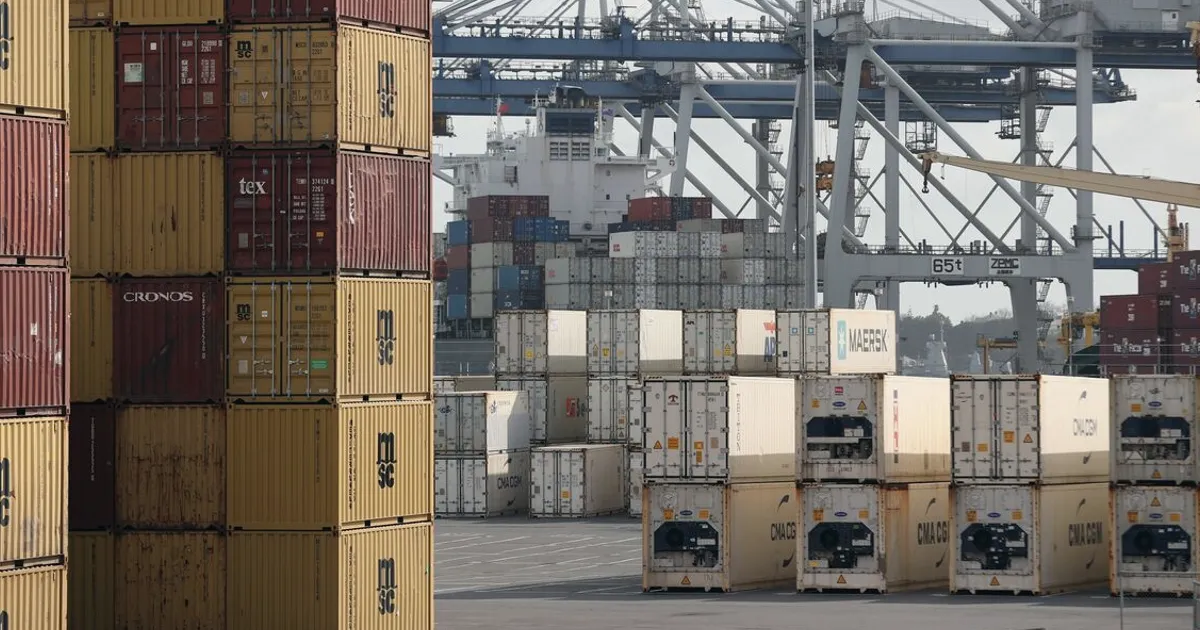
New Zealand's total exports surged to a second straight monthly record in May, driven by a sharp increase in meat shipments to the United States and robust dairy consignments, according to data from Bloomberg. The country's export sector continues to benefit from strong global demand and elevated commodity prices, with farmers enjoying favorable terms of trade. Meat exports to the US, in particular, have climbed as American consumers maintain high protein consumption and domestic supply remains tight. The US is a major market for New Zealand beef and lamb, and the recent surge reflects both competitive pricing and quality preferences. Dairy exports, led by milk powder and butter, also contributed to the record, supported by steady demand from China and other Asian markets. China remains the largest buyer of New Zealand dairy, and its import volumes have held up despite economic headwinds. For traders tracking agricultural commodities, the sustained strength in New Zealand exports signals ongoing pricing power for meat and dairy producers. Check NowPrice's commodities page for current prices on dairy and meat futures.
Why this matters: The export record underscores New Zealand's role as a key global supplier of protein and dairy, and highlights how commodity cycles can drive national economic performance. The surge in meat shipments to the US is particularly notable given the competitive nature of the global meat trade, where New Zealand competes with Australia, Brazil, and the US itself. Elevated commodity prices have boosted farm incomes and supported the New Zealand dollar, but they also raise the risk of inflation in importing countries. For investors, the data provides a real-time read on demand trends in two critical sectors: meat and dairy. The strong dairy shipments to China suggest that Chinese demand for whole milk powder and butter remains resilient, even as the property sector struggles. Meanwhile, the US meat demand reflects a tight domestic supply situation, with US cattle herds at multi-decade lows. This dynamic could persist into 2025, supporting prices for New Zealand exporters.
What to watch: Market participants will monitor US demand trends and potential shifts in Chinese import policies, as well as weather conditions affecting New Zealand pasture growth. El Niño patterns have brought drier conditions to some parts of New Zealand, which could constrain milk production later in the season. Any slowdown in global economic growth could weigh on commodity demand, but for now, the outlook for New Zealand's export sector remains robust. Traders should also watch for changes in US trade policy, as any tariffs or quotas on meat imports could disrupt the current flow. Additionally, the pace of Chinese economic recovery will be key for dairy prices. With global dairy auctions showing mixed signals, the next few months will be crucial in determining whether New Zealand's export momentum can be sustained.