




SABIL Unloads First Wheat Vessel at Saudi Arabia's Port of NEOM
SABIL, a Saudi grain storage company, has unloaded its first wheat vessel at the Port of NEOM, marking a milestone in efforts to improve logistics and efficiency in the kingdom's grain supply chain.
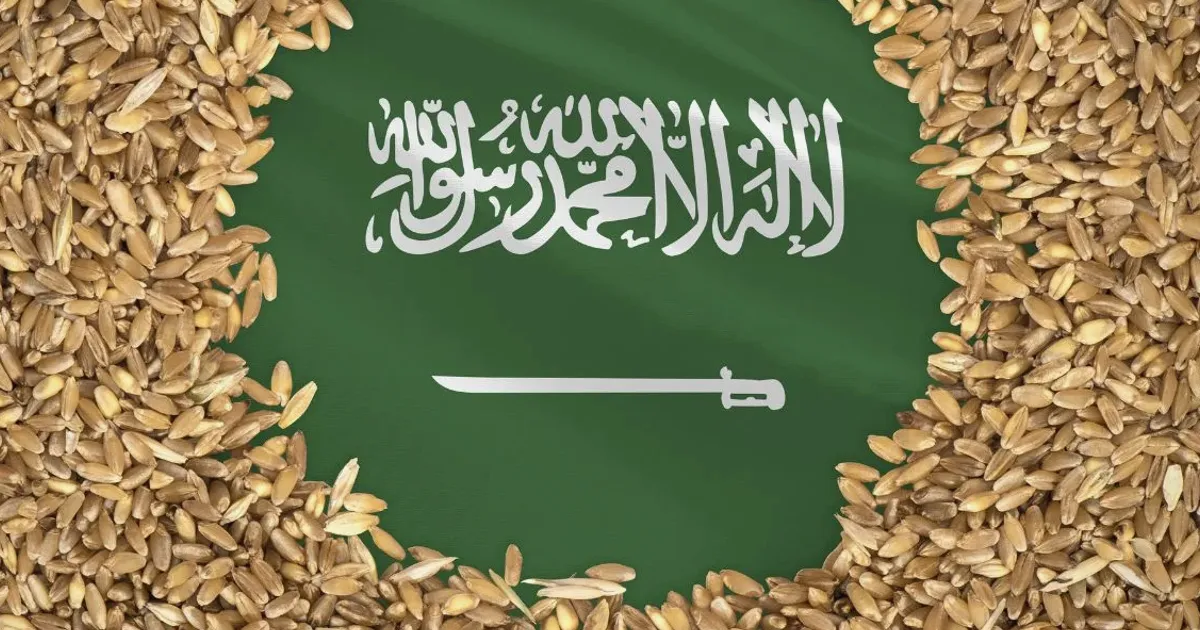
SABIL, a Saudi grain storage company, has unloaded its first wheat vessel at the Port of NEOM, a key step in modernizing the kingdom's grain logistics. The move aligns with Saudi Arabia's Vision 2030 plan to enhance food security and infrastructure. This unloading marks the first time a commercial grain shipment has been processed at NEOM, which is part of a $500 billion mega-development on the Red Sea. The vessel, carrying 60,000 metric tons of wheat, was discharged using advanced pneumatic equipment that reduces unloading time by 30% compared to traditional methods. For context, Saudi Arabia imports around 3.5 million tons of wheat annually to meet domestic demand, and any improvement in port efficiency can have significant implications for supply chain costs.
The successful unloading at NEOM, a major new development on the Red Sea, signals improved efficiency in grain imports. For commodities traders, this could reduce unloading times and lower costs for wheat shipments to Saudi Arabia, potentially affecting regional wheat price differentials. The Port of NEOM is designed to handle up to 5 million tons of grain per year, which could eventually rival the capacity of the King Abdulaziz Port in Dammam. Lower logistics costs may narrow the premium that Saudi wheat commands over benchmark Black Sea or European origins. Traders can monitor live wheat futures prices on NowPrice's commodities dashboard to track market reactions. Additionally, the development supports Saudi Arabia's goal of increasing strategic grain reserves to cover 12 months of consumption, up from the current 6-month buffer.
Looking ahead, market participants will watch for further shipments through NEOM and any impact on Saudi wheat storage capacity. The development may also influence broader Middle East grain trade flows, as NEOM aims to become a regional logistics hub. Traders should monitor Saudi import data and global wheat supply dynamics for further cues. Key factors to watch include the frequency of vessel arrivals at NEOM, any expansion of SABIL's storage facilities near the port, and potential shifts in sourcing patterns away from traditional Red Sea ports like Jeddah. The success of this first shipment could encourage other Gulf states to invest in similar modernized port infrastructure, potentially reshaping wheat trade routes in the region.