




Single-Dose Coffee Dispensers Rise as Specialty Coffee Enthusiasts Seek Automation
A new wave of automatic whole-bean dosers from brands like Acaia, Weber Workshops, and MUVNA aims to streamline single-dose coffee workflows for specialty coffee enthusiasts.
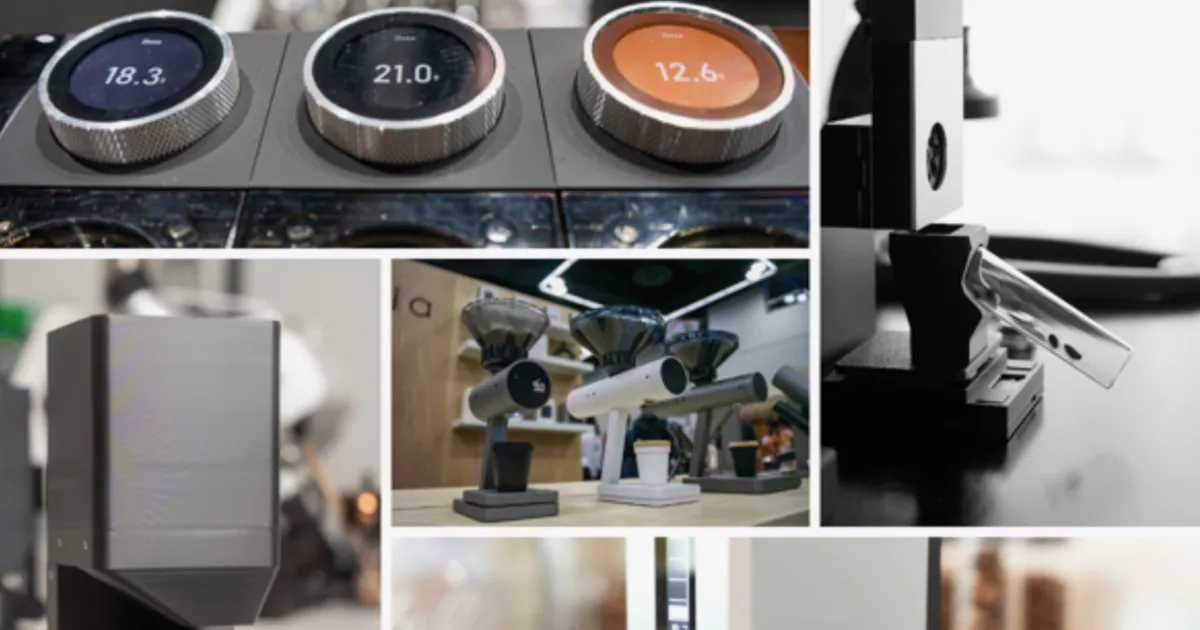
A growing number of specialty coffee enthusiasts are turning to automatic whole-bean dosers to simplify their single-dose coffee routines. Brands including Acaia, Weber Workshops, BeanVibes, Madball Design and MUVNA have introduced machines that automate the process of grinding and dispensing precise amounts of coffee beans, reducing manual effort and waste. These devices typically weigh beans before grinding, ensuring consistent dosing for each cup, which appeals to home baristas seeking reproducibility. The trend reflects a broader move toward precision in coffee preparation, similar to the adoption of scales and temperature-controlled kettles in recent years.
For coffee traders and investors in the commodities market, this trend signals a shift in consumer behavior toward higher-end, automated home brewing equipment. As demand for specialty coffee grows, the market for precision dosing tools may expand, potentially impacting the value chain from bean to cup. Increased automation could drive demand for higher-quality beans, as consumers invest in equipment that highlights subtle flavor differences. Traders can monitor coffee price movements on NowPrice's live commodities dashboard to track how these consumer trends influence supply and demand dynamics. The specialty coffee segment has outpaced commodity coffee growth, and automated dosers may further premiumize consumption.
Looking ahead, the success of these single-dose dispensers will depend on factors such as price, reliability, and integration with existing brewing setups. Industry observers will watch for adoption rates among home users and cafes, as well as any new entrants from major appliance manufacturers like Breville or De'Longhi. The evolution of coffee automation could reshape how consumers interact with their daily brew, with implications for both specialty roasters and commodity markets. If these devices become mainstream, they might alter purchasing patterns, encouraging more frequent purchases of smaller, fresher batches of beans. This could benefit specialty roasters while challenging mass-market suppliers, and traders should monitor retail sales data and trade show launches for early signals.