




South Korea rice output falls as government pushes grain diversification
South Korea's rice production continues to decline as government policies incentivize other grains to balance output and demand, impacting domestic supply dynamics and import prospects.
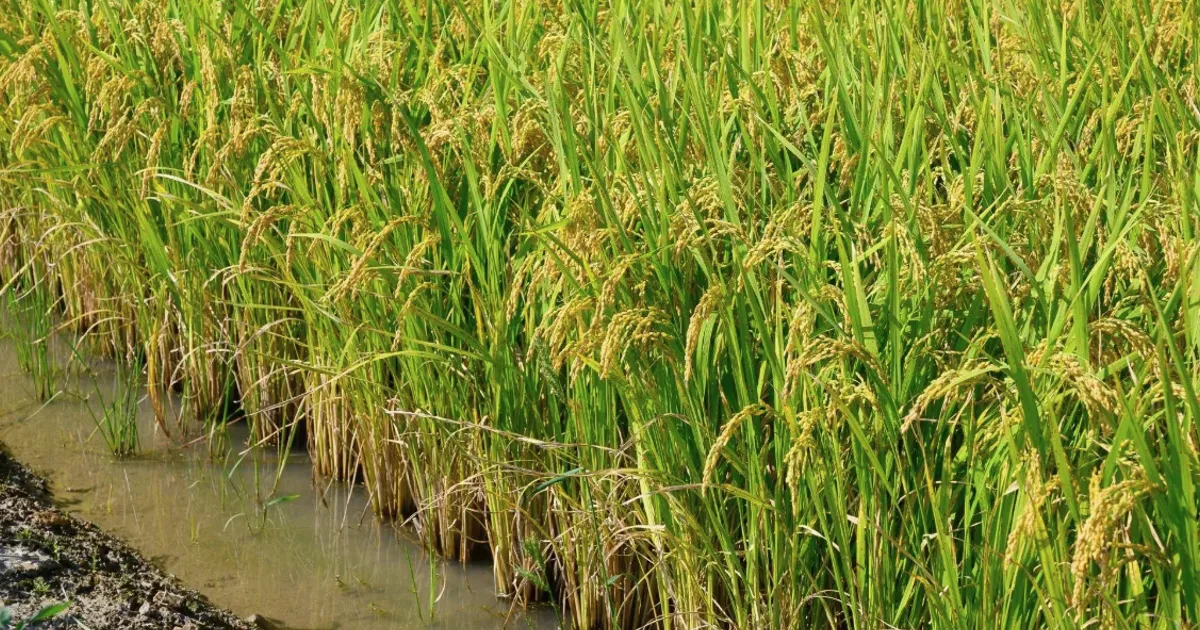
South Korea's rice production continues its long-term decline as the government actively incentivizes farmers to grow alternative grains, aiming to balance output with shifting domestic demand. The policy shift reflects efforts to reduce rice surpluses and stabilize farm incomes while addressing changing consumption patterns. According to recent data, South Korea's rice output fell to 3.68 million metric tons in 2024, down 3.2% from the previous year, marking the fourth consecutive annual decline. The government has expanded subsidies for farmers switching to crops like wheat, barley, and soybeans, with a target to reduce rice paddy area by 10% by 2030.
For agricultural commodity traders, this trend has direct implications for South Korea's import demand. As domestic rice output shrinks, the country may need to increase imports of rice or substitute grains such as wheat and corn. However, South Korea maintains high tariffs on rice imports to protect local farmers, so any change in import policy would be closely watched. The country currently operates a tariff-rate quota system for rice, with out-of-quota tariffs as high as 513%, effectively limiting imports to around 409,000 tons annually. Traders can monitor price movements and supply data on NowPrice's live commodities dashboard to track real-time market reactions. A sustained decline in domestic production could pressure Seoul to negotiate higher import quotas in future trade agreements, potentially benefiting exporters from the United States, China, and Southeast Asia.
Looking ahead, market participants should focus on South Korea's quarterly grain inventory reports and any adjustments to import quotas or tariff-rate quotas for rice. The government's push for grain diversification could also affect global prices for alternative crops if South Korea's import demand shifts significantly. Additionally, weather conditions in East Asia will remain a key factor for regional rice production and trade flows. Analysts will watch for El Niño impacts on the 2025 harvest, as well as policy responses from the Korea Rural Economic Institute. Any acceleration in the decline of rice output could trigger earlier-than-expected policy changes, making NowPrice's real-time data essential for staying ahead of market moves.