




Soybeans Drift as China Buying Awaited After US Tariff Statement
Soybean futures drifted between small gains and losses as traders weighed a Chinese government statement on rolling back tariffs on US agricultural products, a move that could pave the way for purchases by the Asian country.
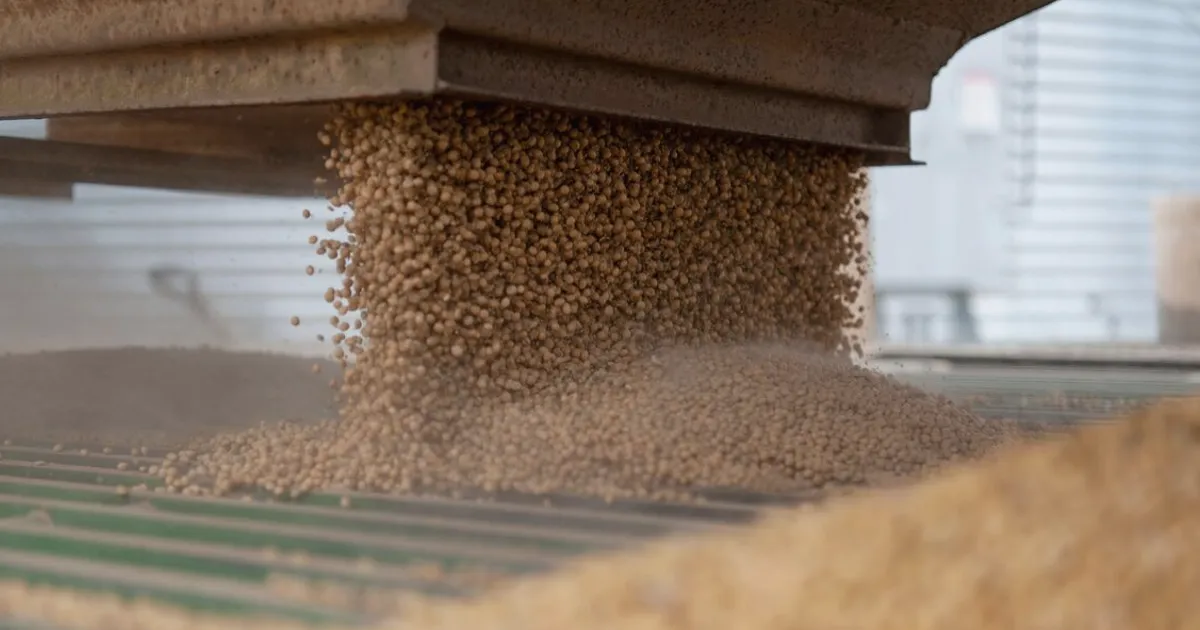
Soybean futures drifted between small gains and losses on Thursday as traders weighed a statement by China's government on rolling back tariffs on US agricultural products, a move that could pave the way for purchases by the Asian country. The most-active contract on the Chicago Board of Trade (ticker: ZS) hovered near $10.50 per bushel, reflecting the market's indecision. China's Commerce Ministry said it would consider reducing retaliatory tariffs on US soybeans, corn, and other farm goods, a step that traders interpret as a potential thaw in the ongoing trade war between the world's two largest economies. However, no specific timeline or volume commitments were provided, leaving market participants to speculate on the timing and scale of any actual buying.
Prices have been rangebound as the market awaits concrete buying from China, the world's top soybean importer. The tariff statement signals a potential easing of trade tensions, but traders remain cautious until actual purchases materialize. Live commodity prices and charts on NowPrice show how the market is reacting to these developments in real time. The soybean market is highly sensitive to Chinese demand, as the country typically accounts for over 60% of global soybean imports. In recent years, US soybean exports to China have fallen sharply due to tariffs, with Brazil filling the gap. A rollback of tariffs could restore US competitiveness, but traders note that China may still prioritize Brazilian supplies due to their lower cost and established trade relationships. The market is also watching for signs of Chinese demand for US soybeans ahead of the South American harvest, which typically begins in early 2025.
Looking ahead, traders will monitor any official confirmation of Chinese soybean purchases and broader US-China trade developments. The next USDA supply-demand report, scheduled for release on December 10, could also provide fresh direction for soybean futures. The report will include updated estimates for US soybean production, exports, and ending stocks, which could influence price expectations. Additionally, weather conditions in South America remain a key factor, as dry spells in parts of Brazil and Argentina could support prices. Any escalation in trade rhetoric or unexpected policy shifts from either side could quickly alter the market's trajectory. For now, soybeans remain in a wait-and-see mode, with traders focused on tangible evidence of Chinese buying to break the current stalemate.