




Treasuries Recover as Oil Swings on Middle East Conflict
Treasuries reversed earlier losses that pushed the two-year yield to a 2026 high, as oil price swings tied to the US-Iran conflict drove a flight-to-quality bid into bonds.
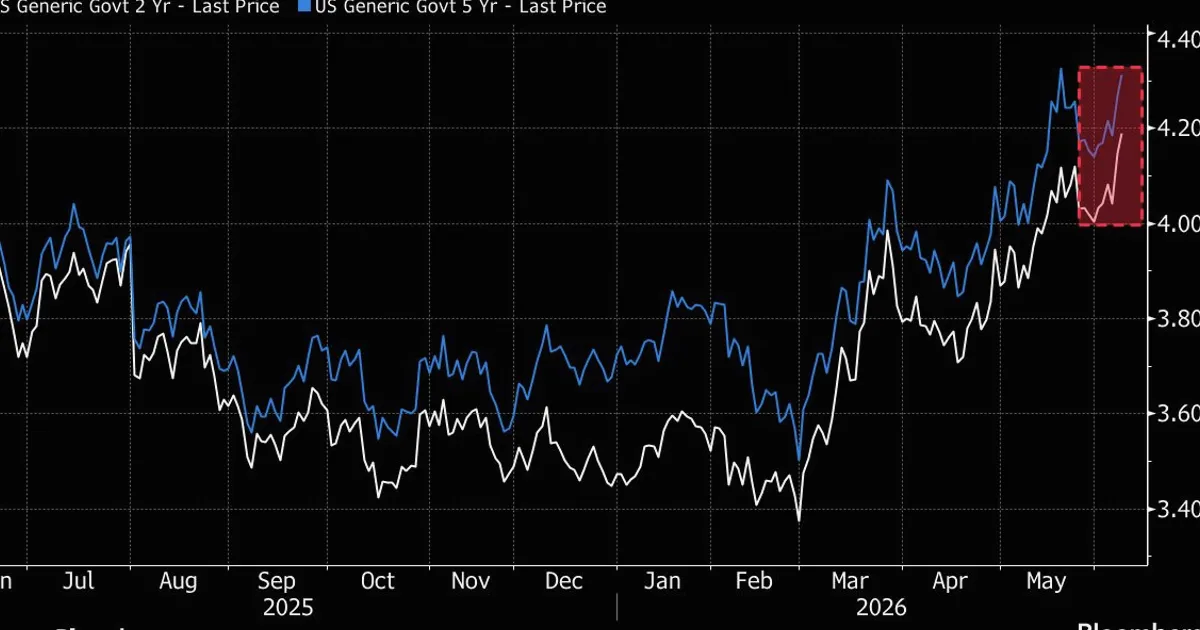
Treasuries erased earlier declines that had pushed the two-year note's yield to a new high for 2026, as the bond market reacted to oil-price swings triggered by the US military conflict with Iran. The move reflected a classic risk-off rotation, with investors seeking the safety of government debt amid heightened geopolitical uncertainty. The two-year yield, which is highly sensitive to monetary policy expectations, initially rose as crude oil prices surged on fears of supply disruptions from the Middle East. However, as the session progressed, the flight-to-quality impulse dominated, with buyers stepping in to snap up bonds. This dynamic highlights the tension between inflation fears and safe-haven demand that often characterizes geopolitical shocks. Traders can track these price moves in real time on NowPrice's live commodities dashboard, which covers both crude oil and Treasury futures.
The oil-driven volatility initially weighed on Treasuries as rising crude prices stoked inflation concerns, pushing yields higher. This is because higher energy costs can feed through to consumer prices, potentially forcing the Federal Reserve to maintain or even raise interest rates. However, the same geopolitical tensions that boost oil also drive investors toward the relative safety of government bonds, creating a tug-of-war in the market. In this case, the safe-haven bid ultimately prevailed, as the uncertainty over the conflict's duration and economic impact outweighed near-term inflation worries. The two-year yield's reversal from its 2026 high underscores how quickly sentiment can shift when geopolitical risks escalate.
Looking ahead, market participants will focus on any escalation or de-escalation signals from the Middle East, as well as upcoming US economic data that could influence the Federal Reserve's policy path. The two-year yield's reaction to further oil moves will be a key barometer of how the market balances growth risks against inflation pressures. Any diplomatic developments, such as ceasefire talks or reduced hostilities, could trigger sharp reversals in both oil and bond markets. Additionally, traders will watch for comments from Fed officials and key reports like the Consumer Price Index, which could either reinforce or alleviate inflation concerns. The interplay between oil prices and Treasury yields will remain a central theme as the situation evolves.