




Bitcoin, Ether, XRP Rebound as Senate Curbs Trump's Iran War Powers
Bitcoin, ether, XRP and solana rebounded as the US Senate voted to curb President Trump's authority to wage war against Iran, easing geopolitical risk and pushing Treasury yields and oil lower.
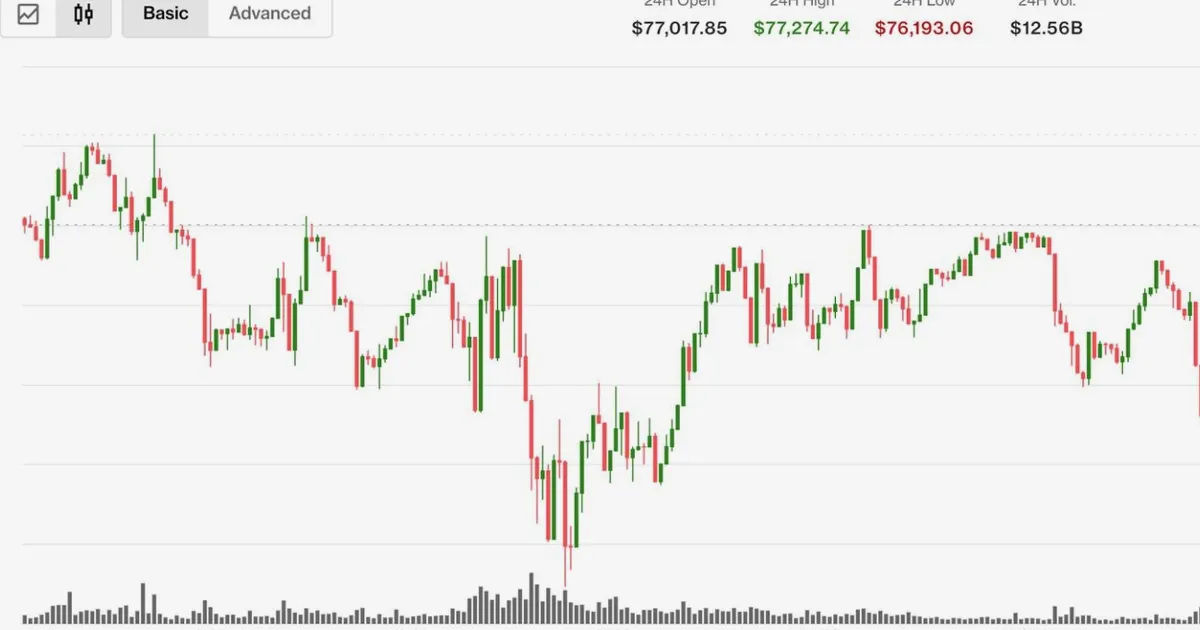
Bitcoin, ether, XRP and solana rebounded on Wednesday as the US Senate voted to curb President Trump's authority to wage war against Iran, easing geopolitical tensions that had weighed on risk assets. Bitcoin climbed to about $77,200, while ether, XRP and solana also posted gains. The move came as Treasury yields and oil prices fell, reflecting a shift in risk sentiment. The Senate's vote to limit the president's war powers reduced the likelihood of a broader conflict in the Middle East, which had been a key source of uncertainty for markets. Traders can track these price moves on NowPrice's live crypto dashboard.
For cryptocurrency traders, the rebound highlights how geopolitical risk can drive short-term volatility. Lower oil prices and falling yields typically support risk-on assets, including digital currencies. The easing of tensions may also reduce safe-haven demand for the US dollar, which could further benefit crypto markets. This dynamic is amplified by the current crypto market structure: the Bitcoin halving cycle, which historically reduces miner supply and can create upward price pressure, is still in its early post-halving phase. Meanwhile, spot Bitcoin ETF flows have been volatile but remain a key demand driver, with institutional inflows often accelerating during risk-on periods. Miner break-even economics are also relevant—with Bitcoin near $77,000, miners remain profitable, reducing forced selling pressure. On-chain data shows whale concentration remains elevated, meaning large holders can influence price swings. Bitcoin dominance has been steady near 60%, suggesting altcoin rallies like those in ether, XRP, and solana are often correlated with BTC's direction. Exchange reserve drawdowns indicate coins are moving to cold storage, a bullish signal for supply scarcity. Additionally, the correlation with macro factors like the US Dollar Index (DXY) and Treasury yields is critical: a weaker dollar and lower yields historically favor crypto as an alternative asset class.
However, traders should watch for any further developments in US-Iran relations and monitor upcoming economic data, including US GDP revisions and Fed speeches, for clues on the broader macro outlook. A hawkish Fed pivot or a spike in the DXY could reverse the current risk-on sentiment. On the crypto-specific front, key levels to watch include Bitcoin's resistance near $80,000 and support at $75,000. A break above resistance could trigger further upside, while a drop below support might reignite selling. ETF flow data and on-chain metrics like exchange reserves will provide real-time signals on market direction. The combination of geopolitical easing and favorable macro conditions has created a tailwind, but traders should remain cautious given the inherent volatility and the potential for sudden shifts in sentiment.