




Bitcoin Surges Above $76K After Trump Announces Iran Peace Deal
Bitcoin rebounded sharply above $76,000 after President Trump announced a negotiated peace agreement with Iran, reversing a 4% drop from earlier in the day.
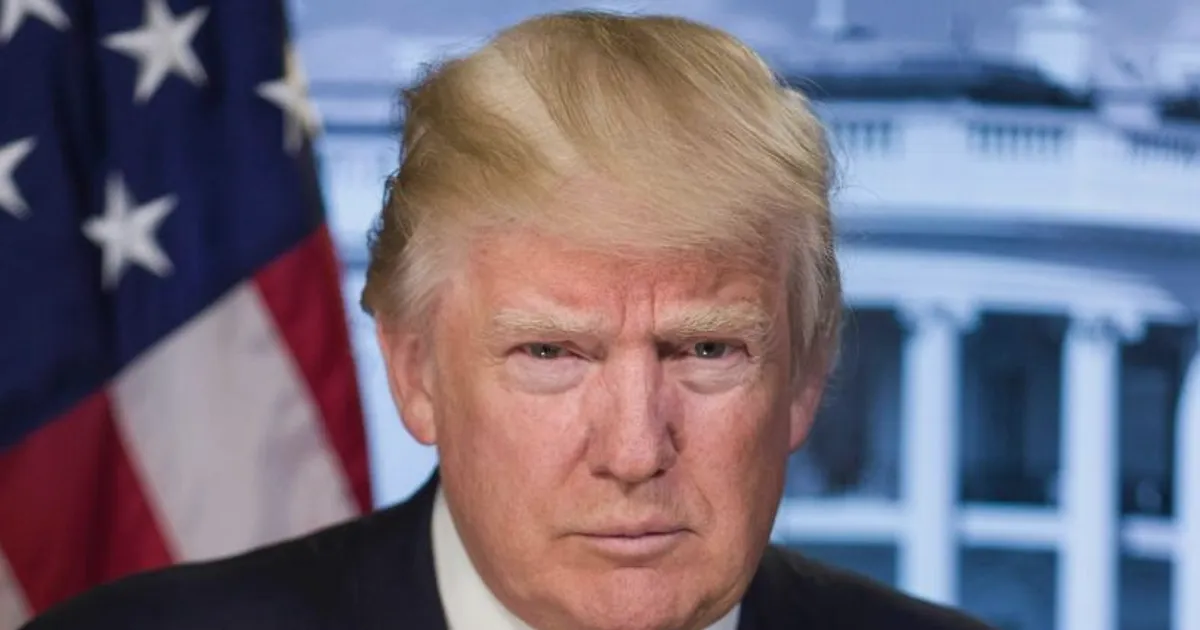
Bitcoin surged above $76,000 on Saturday after President Trump announced a negotiated peace agreement between the United States, Iran, and other Middle Eastern countries. The cryptocurrency had fallen nearly 4% to around $74,000 earlier in the day before the news triggered a sharp reversal. This move comes amid a broader context where Bitcoin has been consolidating near all-time highs, with the current halving cycle—which reduced the block reward to 3.125 BTC in April 2024—continuing to constrain new supply. ETF flow dynamics have also been supportive, with spot Bitcoin ETFs in the U.S. recording net inflows of over $500 million in the prior week, reflecting sustained institutional demand. On-chain data shows whale concentration remains elevated, with addresses holding at least 1,000 BTC controlling roughly 40% of the circulating supply, amplifying price sensitivity to large trades.
The peace deal, which includes the reopening of the Strait of Hormuz, removed a key geopolitical risk that had been weighing on risk assets. For crypto traders, the sudden rally underscores how macro-political events can drive short-term volatility in digital assets. The agreement also has implications for miner break-even economics: lower oil prices could reduce energy costs for mining operations, potentially improving profitability and reducing selling pressure from miners. Meanwhile, Bitcoin dominance has risen to 58%, indicating that capital is rotating into BTC from altcoins during risk-on episodes. Exchange reserve drawdowns continue, with BTC balances on exchanges hitting multi-year lows near 2.3 million coins, suggesting that investors are moving coins to cold storage in anticipation of further price appreciation. The broader macro backdrop includes a declining DXY and falling US Treasury yields, which historically correlate with Bitcoin strength as investors seek alternative stores of value. As always, check NowPrice's crypto page for real-time pricing and market depth on Bitcoin and other major cryptocurrencies.
Looking ahead, traders will monitor the finalization of the agreement and any further details on its implementation. The reopening of the Strait of Hormuz could also impact oil prices, which may indirectly influence broader market sentiment and crypto correlations. Key levels to watch include the $78,000 resistance, where a cluster of sell orders sits, and support at $74,000, the pre-announcement low. A sustained break above $78,000 could open the door to $80,000, while a failure to hold $74,000 might trigger a retest of the 50-day moving average near $70,000. Additionally, the CME Bitcoin futures gap at $75,500 may act as a magnet for price action. Traders should also keep an eye on the US 10-year Treasury yield and the DXY, as any sharp reversal in these indicators could alter the risk appetite for crypto assets.