




CFTC Says 24/7 Trading Suits Crypto, Not Traditional Markets
The CFTC issued an advisory stating that 24/7 trading is suitable for crypto markets but may not be appropriate for traditional sectors, highlighting a regulatory divide.
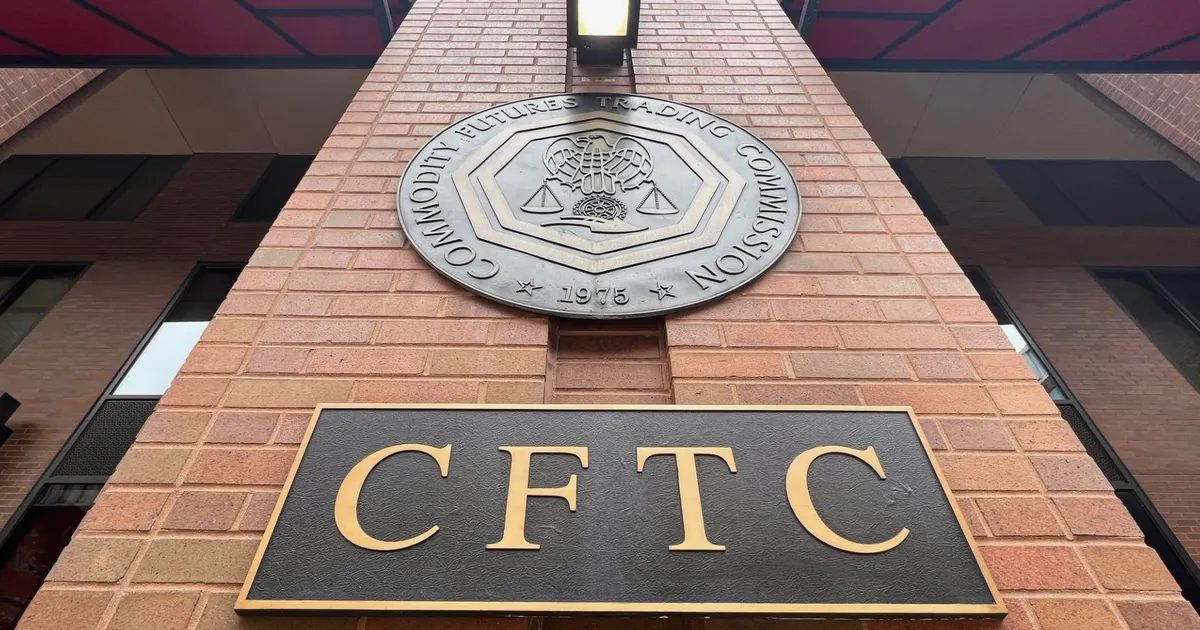
The U.S. Commodity Futures Trading Commission (CFTC) issued an advisory on Friday stating that 24/7 trading is well-suited for crypto markets but may not be appropriate for traditional financial sectors. The letter, addressed to a broad range of regulated firms, comes on the same day the agency approved native crypto platforms to offer perpetual futures contracts, signaling a growing regulatory divide between blockchain-native assets and legacy markets.
The CFTC's advisory highlights inherent differences between underlying markets, arguing that the round-the-clock nature of crypto trading aligns with its decentralized, global ecosystem, while traditional markets—such as equities or commodities—may face challenges with extended hours, including liquidity fragmentation and operational risks. This distinction underscores the regulator's tailored approach to digital assets, which have historically operated on a 24/7 basis, unlike conventional exchanges that close on weekends and holidays. Traders can monitor how this regulatory stance impacts crypto prices on NowPrice's live dashboard.
Looking ahead, market participants will watch for further guidance from the CFTC on specific asset classes and potential coordination with other regulators like the SEC. The approval of perpetual futures for crypto platforms could accelerate institutional adoption, while traditional firms may need to adapt to a two-tier regulatory framework. The evolving landscape suggests that crypto's unique market structure is gaining formal recognition, which could influence trading strategies and risk management across both sectors.