




Coinbase aims to cut trading fee reliance as it expands into new revenue streams
Coinbase unveiled a suite of new products at its System Update event, signaling a strategic shift toward diversifying revenue beyond trading fees and reducing reliance on bitcoin price cycles.
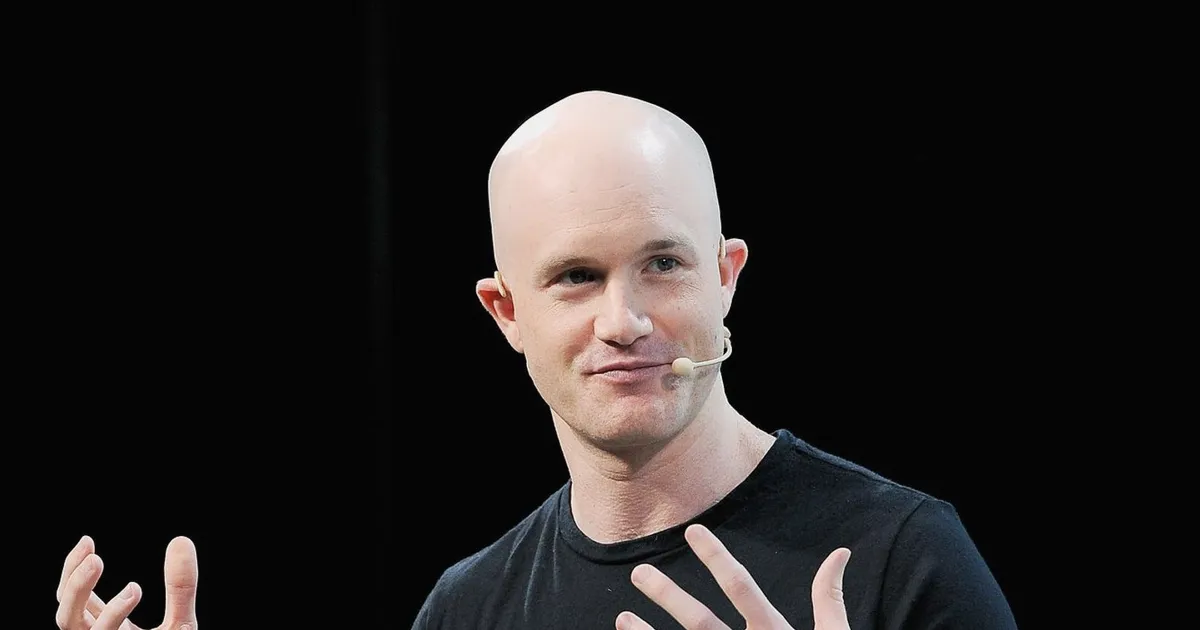
Coinbase is charting a new course to weather crypto market downturns by reducing its dependence on trading fees, according to analysts who attended the exchange's System Update event in New York on Tuesday.
At the event, Coinbase unveiled a broad array of new products spanning derivatives, tokenized stocks, stablecoin payments, lending, and artificial intelligence. While the announcements covered diverse business lines, analysts focused less on individual offerings and more on the overarching strategy: transforming Coinbase from a trading-dependent exchange into a diversified financial platform. The move aims to create revenue streams that are less correlated with bitcoin's price cycles, which have historically driven the company's earnings volatility.
For cryptocurrency and digital asset traders, Coinbase's evolution matters because it signals a maturing market infrastructure. A platform less reliant on trading fees could offer more stable services and potentially lower costs for users over time. NowPrice's real-time crypto quotes show bitcoin trading near recent levels, with the broader market digesting the implications of Coinbase's strategic pivot. The expansion into derivatives and tokenized stocks also opens new avenues for traders to gain exposure to traditional assets within a crypto-native environment.
Looking ahead, analysts will watch for concrete revenue contributions from these new segments in upcoming earnings reports. Key metrics include adoption rates for Coinbase's stablecoin payment solutions and lending products, as well as regulatory developments that could affect the rollout of tokenized stocks. The success of this diversification strategy could set a precedent for other crypto exchanges seeking to build sustainable business models beyond trading cycles.