




Europe led on crypto regulation with MiCA, now implementation must match ambition
The EU's MiCA framework is the world's first comprehensive crypto regulation, but its success hinges on consistent implementation across member states.
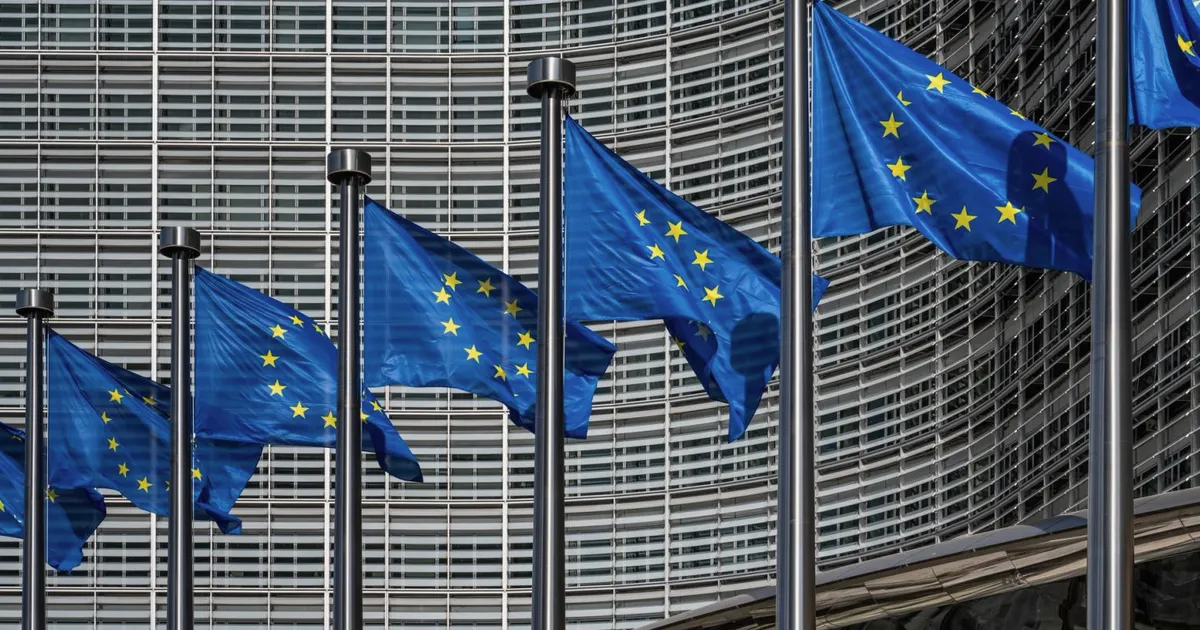
The European Union has established itself as a global leader in crypto regulation with the Markets in Crypto-Assets (MiCA) framework, the first comprehensive regulatory regime for digital assets. However, industry participants warn that the framework's success will depend on how consistently it is implemented across member states.
MiCA creates a harmonized single-market framework for crypto-asset services across the EU, providing greater clarity for users and more certainty for firms. It aims to level the playing field for responsible operators willing to meet high standards. Binance, one of the world's largest crypto exchanges, has publicly supported the framework from the beginning. The regulation covers key areas such as licensing requirements for crypto asset service providers, stablecoin oversight, and consumer protection rules.
For cryptocurrency traders, MiCA represents a significant step toward regulatory clarity that could reduce uncertainty and attract institutional investment. A clear regulatory framework can help legitimize the digital asset industry and potentially reduce the risk of sudden regulatory crackdowns that have historically caused market volatility. However, the true impact on crypto markets will only become clear as national regulators implement the rules. Traders should monitor how different EU countries apply MiCA, as inconsistent enforcement could create regulatory arbitrage opportunities or uneven competitive dynamics.
Looking ahead, market participants will watch for the European Securities and Markets Authority's guidelines and how national competent authorities interpret MiCA's provisions. The timeline for full implementation extends into 2026, with transitional periods for existing crypto businesses. The success of MiCA could influence regulatory approaches in other jurisdictions, potentially shaping the global regulatory landscape for digital assets.