




US SEC to propose crypto rule this month to ease startup fundraising
The US Securities and Exchange Commission is set to propose a new crypto rule as soon as this month that would provide temporary exemptions from registration for developers and establish a safe harbor for issuers, easing fundraising for startups.
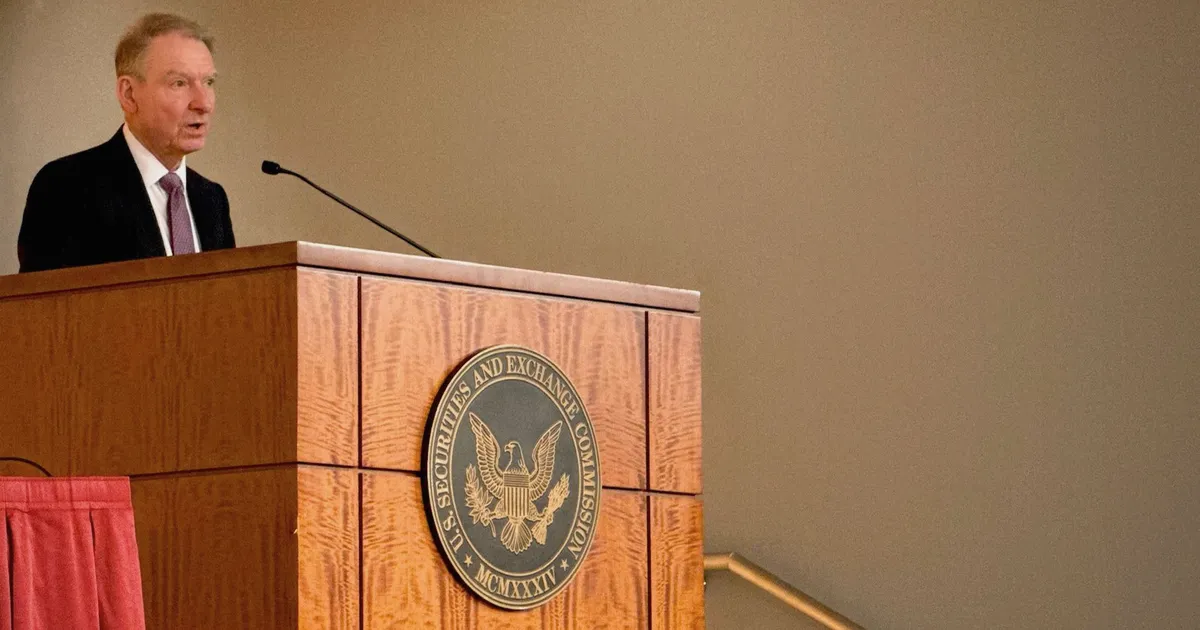
The U.S. Securities and Exchange Commission is set to propose a new crypto rule as soon as this month that would significantly ease securities regulatory demands for crypto businesses, according to an updated agenda flagged on Tuesday.
The proposal, known as "Regulation Crypto," would establish temporary exemptions from registration for developers first pushing crypto investment contracts. It would allow a certain amount of fundraising and set up a safe harbor for issuers that are backing away from managerial efforts over a security. These details were first outlined by SEC Chairman Paul Atkins in March. This marks one of the first significant SEC moves on behalf of the crypto industry under the current administration.
For cryptocurrency and digital asset traders, regulatory clarity is a key driver of market sentiment. A more accommodating SEC stance could reduce uncertainty for crypto startups and token issuers, potentially spurring innovation and investment in the space. Traders may view this as a positive signal for the broader crypto market, as clearer rules often lead to increased institutional participation. For current pricing context, check NowPrice's crypto page.
Looking ahead, market participants will watch for the formal release of the proposal and subsequent public comment period. The rule's final shape could influence how crypto projects structure their offerings and fundraising. Traders should also monitor any reactions from other regulators and potential legal challenges that could arise.