




UniCredit warns Europe may struggle to contain crypto-bank crisis under MiCA
UniCredit's deputy vice chair warns that European authorities lack the tools to guarantee crypto-linked deposits during a crisis, unlike U.S. regulators did in 2023.
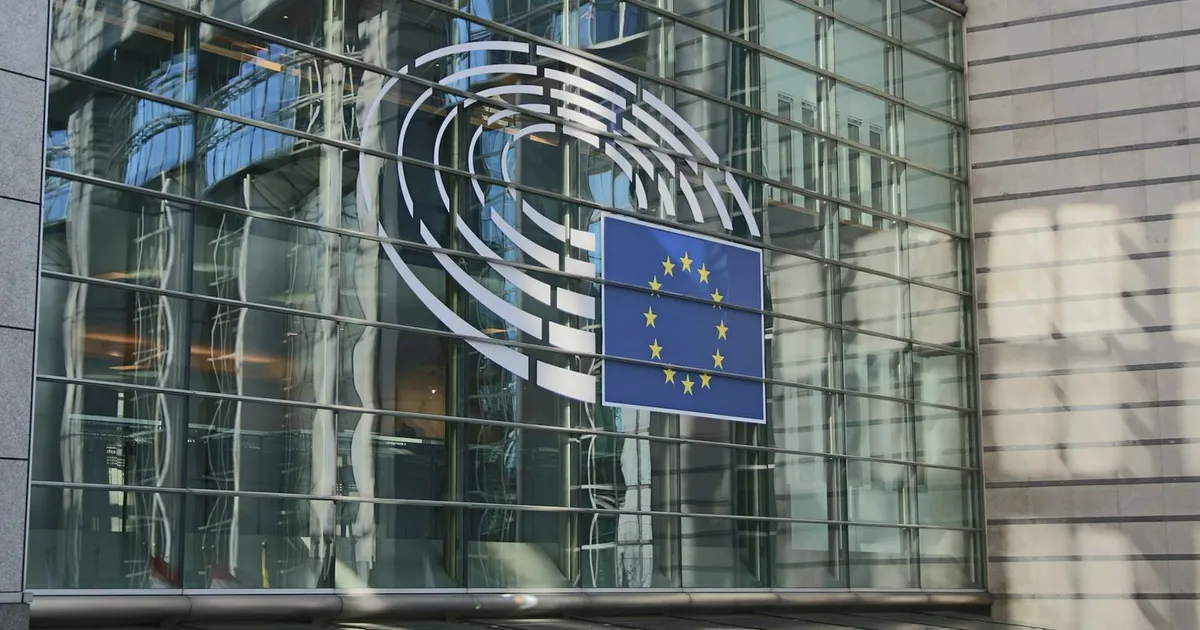
Europe may struggle to contain a financial shock tied to crypto firms and banks because its crisis tools are more limited than those used in the U.S. during the 2023 banking turmoil, a senior official with European bank UniCredit said Thursday.
Elena Carletti, UniCredit’s deputy vice chair and head of the board’s risk committee, said European authorities may not be able to guarantee crypto-linked deposits in the same way U.S. regulators did after the collapses of Silicon Valley Bank and Signature Bank. Speaking at a banking conference hosted by Madrid’s IESE Business School, Carletti noted that the U.S. decision to protect all deposits, including funds held by stablecoin issuers, was a key factor in containing contagion. Under the European Union's Markets in Crypto-Assets (MiCA) regulation, such blanket guarantees are not explicitly provided, leaving a potential gap in crisis management.
For cryptocurrency and digital asset traders, the warning highlights a structural risk that could amplify volatility during a future crisis. If a major European crypto bank or stablecoin issuer faces a run, the lack of a deposit guarantee framework similar to the U.S. could lead to faster contagion across markets. Traders should monitor regulatory developments and the resilience of crypto firms operating under MiCA, as any stress event could trigger sharp price moves. For current pricing context on major cryptocurrencies, check NowPrice's crypto page.
Looking ahead, market participants will watch for any proposals from the European Commission or the European Banking Authority to strengthen crisis management tools for crypto assets. The debate over deposit insurance for crypto-linked accounts is likely to intensify, especially as the MiCA framework is implemented and tested. Any signs of regulatory tightening or new backstop mechanisms could influence risk sentiment in both traditional and digital asset markets.