




Adani Plans 10 GW Nuclear Project to Boost India Energy Security
Billionaire Gautam Adani announced a 10 GW nuclear power project to bolster India's energy security, marking his first public speech since resolving US legal issues.
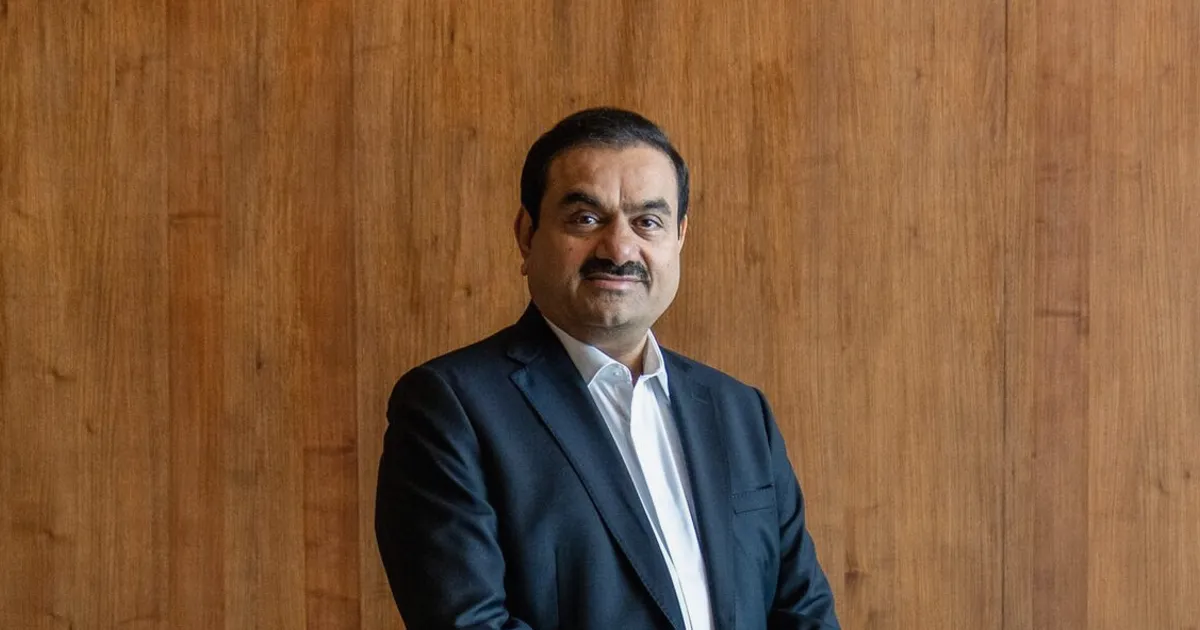
Billionaire Gautam Adani announced a massive 10 gigawatt nuclear power initiative to strengthen India's energy security, marking his first public appearance since resolving legal challenges in the United States.
The Adani Group, led by Gautam Adani, plans to develop a 10 GW nuclear power project as part of a broader push to diversify India's energy mix and reduce dependence on fossil fuels. The announcement came during a speech where Adani emphasized the importance of energy independence for India's economic growth. This move aligns with India's ambitious target of achieving 500 GW of non-fossil fuel capacity by 2030, though nuclear power currently accounts for only about 3% of the country's electricity generation. The project represents a significant bet on nuclear technology, which offers stable baseload power but faces challenges related to high upfront costs, regulatory hurdles, and public acceptance.
For energy traders, this development signals a potential long-term shift in India's energy demand profile. India is the world's third-largest oil importer and a major consumer of coal, and any move toward nuclear energy could gradually reduce its reliance on imported fossil fuels. However, nuclear projects typically take a decade or more to come online, so the immediate impact on oil and gas markets is limited. Traders should monitor India's nuclear policy developments, as they could influence future LNG and coal demand. The project also highlights the growing interest in nuclear power among emerging economies seeking low-carbon baseload electricity.
Looking ahead, key factors to watch include the project's financing structure, regulatory approvals, and technology partnerships. India's nuclear sector has historically been dominated by state-owned entities, so Adani's entry could open the door for greater private sector participation. Additionally, any progress on small modular reactors (SMRs) or international cooperation on nuclear fuel supply could accelerate the timeline. Traders should also keep an eye on India's overall energy policy, including its renewable energy targets and coal phase-down plans, as these will shape the country's long-term fuel mix and import needs.