




Aramco Helicopter Crash in Ras Tanura Kills All 14 on Board
A Saudi Aramco helicopter crashed in Ras Tanura, killing all 14 on board, raising concerns about potential disruptions at one of the world's largest oil export terminals.
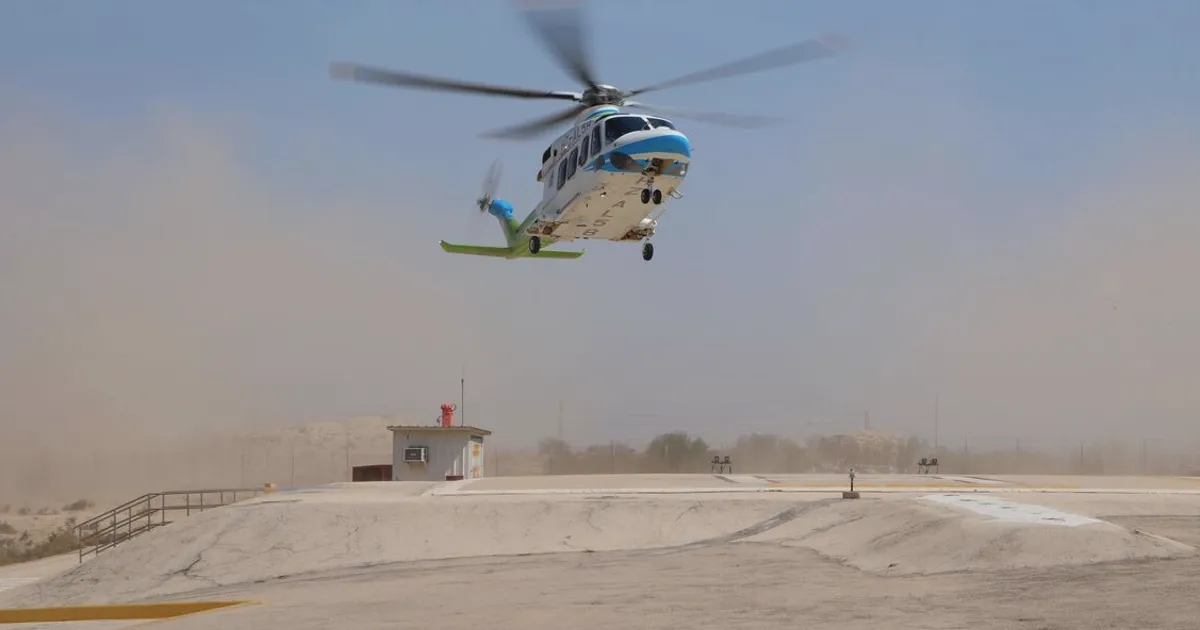
A helicopter operated by Saudi Aramco crashed Sunday in Ras Tanura, the kingdom's energy heartland, killing all 14 people on board. The incident occurred at one of the world's most critical oil infrastructure hubs, where Aramco operates a massive refinery and export terminal capable of processing over 550,000 barrels per day. Ras Tanura is also a key loading point for crude oil exports, handling roughly 90% of Saudi Arabia's shipments. The crash immediately raised concerns about potential operational disruptions, as any prolonged shutdown or security review at the facility could tighten global crude supply. Traders can monitor real-time price movements on NowPrice's live fuel dashboard to assess market reactions.
The crash highlights the vulnerability of Saudi oil infrastructure, which has been a focal point for geopolitical risk premiums in crude markets. While the cause of the accident remains under investigation, the incident could prompt a broader review of security across Saudi energy facilities, potentially affecting risk premiums in crude oil futures. Ras Tanura's role as a hub for both refining and exports means any disruption could amplify supply tightness, especially given OPEC+ spare capacity constraints—currently estimated at around 4 million bpd, mostly held by Saudi Arabia. The Brent-WTI spread, which has been narrowing, could widen again if Saudi exports are impacted. Additionally, US Strategic Petroleum Reserve levels, now at their lowest since the 1980s, offer limited buffer against supply shocks. Crack-spread economics, which measure refining margins, could also be affected if Ras Tanura's refinery operations are curtailed.
Looking ahead, markets will focus on any official statements from Aramco regarding operations and safety protocols. The incident may also influence Saudi-Russia coordination within OPEC+, as both nations have been managing output to support prices. China's marginal demand, a key driver of global oil consumption, will be closely watched for any shifts in import patterns. Investors should watch for updates on production and export flows from the region, as well as any signs of contango or backwardation in the futures curve, which could indicate market expectations for supply tightness.