




Asia Slows Middle East Oil Buying After Three-Week Spree
Asian refiners have pulled back from Middle Eastern crude purchases after a three-week buying spree, with oil majors and traders absorbing surplus barrels.
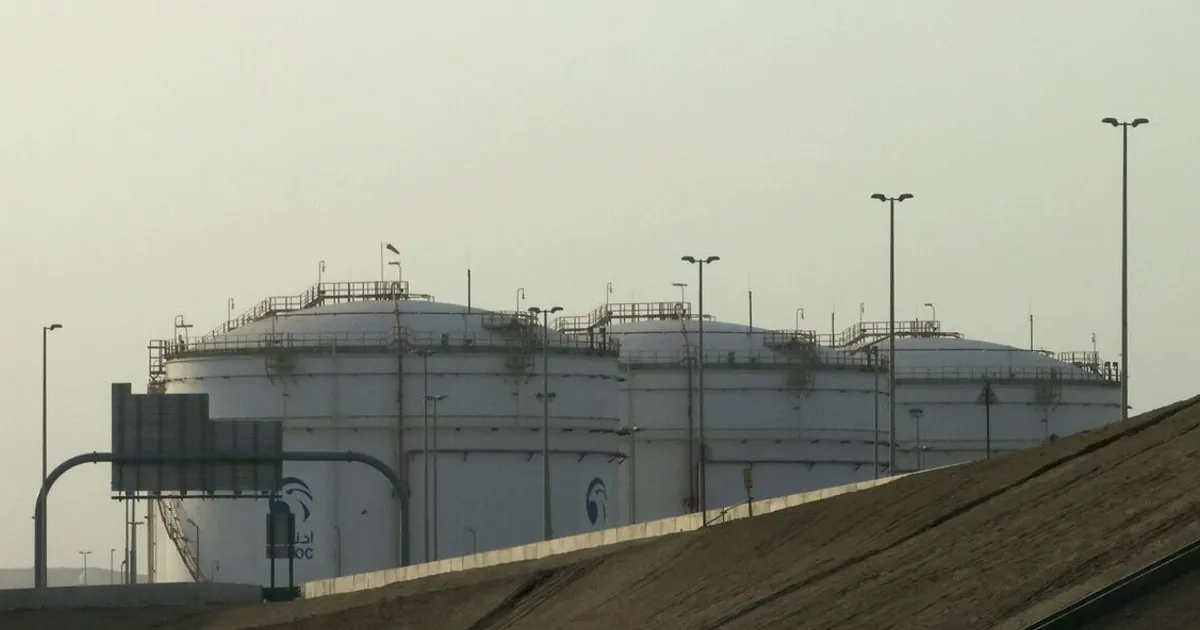
Asian refiners have slowed purchases of Middle Eastern crude after a buying spree over the past three weeks, with oil majors and traders stepping in to take some of the surplus barrels.
The pullback comes as the buying frenzy that had supported spot premiums for grades like Oman and Dubai appears to be cooling. Refiners in Asia, the world's top crude-importing region, had been aggressively securing cargoes amid concerns over supply tightness and refinery margins. However, the recent slowdown suggests that demand may have been satiated in the near term. The shift is notable because Asia's appetite for Middle Eastern crude is a key driver of global oil prices. When Asian buyers step back, it often signals a temporary easing of supply-demand balances, which can weigh on benchmark prices. Live fuel prices and charts on NowPrice show how the market is reacting to these demand shifts in real time.
Traders should watch for upcoming official selling prices (OSPs) from Saudi Aramco and other Middle Eastern producers, as these will set the tone for September-loading cargoes. Additionally, the pace of Chinese crude imports—the largest marginal buyer—will be critical. Any signs of further slowdown could pressure OPEC+ to reconsider its output plans. The contango structure in the Brent futures curve also bears monitoring, as it reflects storage economics and market sentiment. If the slowdown persists, it may widen the Brent-WTI spread and alter refinery crude slates globally.