




Asian LNG Buyers Expect Qatar to Let Force Majeure Lapse in July
Asian LNG buyers expect Qatar to let its force majeure expire in July as regional tensions ease and exports ramp up, potentially boosting spot supply.
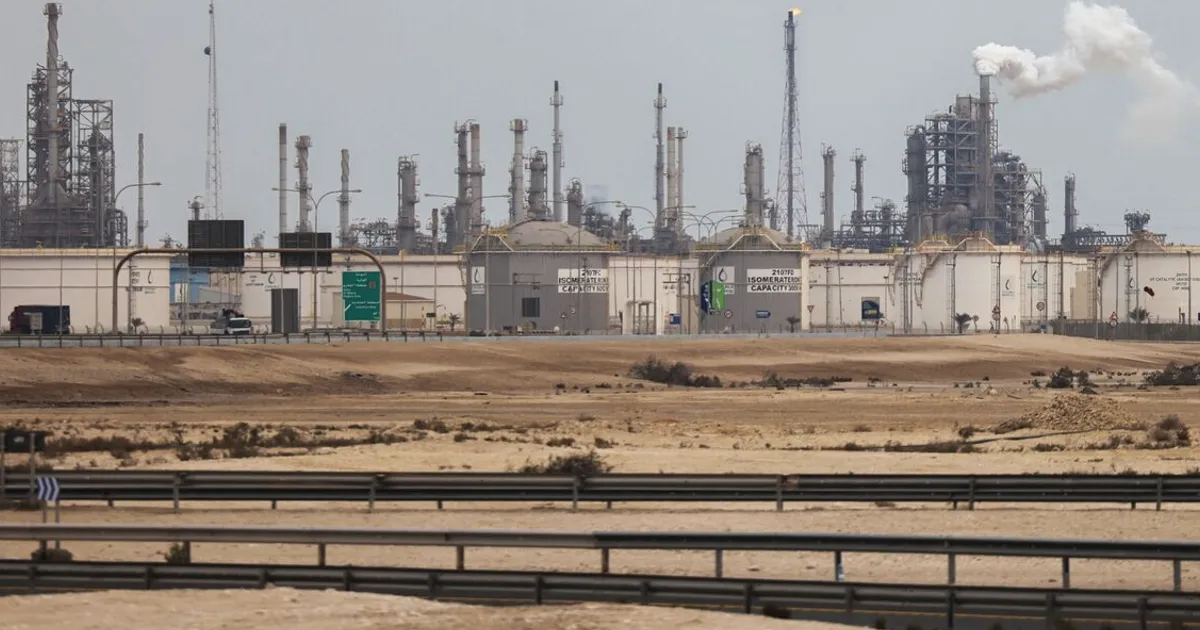
Asian liquefied natural gas (LNG) buyers of Qatar expect the supplier to let its force majeure expire in mid-July, as regional tensions ease and the Persian Gulf producer ramps up exports. The force majeure, declared earlier this year amid heightened geopolitical risks in the Middle East, had constrained spot supply and supported Asian LNG prices. With tensions now de-escalating and Qatar's production recovering, buyers anticipate the force majeure will not be extended beyond July. This could free up additional volumes for the spot market, potentially weighing on prices. Traders can check NowPrice's fuel page for current LNG pricing.
This development matters because Qatar is one of the world's largest LNG exporters, and its force majeure had removed significant supply from the market at a time when Asian demand was already robust. The easing of supply constraints could help lower spot prices, which have been elevated due to geopolitical risks and competition from other regions. However, the impact will depend on how quickly additional volumes reach the market and whether other producers, such as those in the US and Australia, adjust their output. The Brent-WTI spread and US Gulf Coast LNG export capacity also play a role in global supply dynamics. Additionally, China's marginal demand, driven by its economic recovery and coal-to-gas switching, will influence how much of Qatar's extra supply is absorbed. Saudi-Russia coordination within OPEC+ does not directly affect LNG, but broader energy market stability can spill over into gas markets.
Market participants will watch for official confirmation from QatarEnergy in the coming weeks. The expiry of force majeure would align with Qatar's ongoing expansion projects, which aim to boost its LNG output capacity from 77 million tonnes per year to 126 million by 2027. Any delay or extension could reintroduce supply uncertainty, particularly ahead of the peak summer demand season in Asia, when air conditioning usage drives up electricity generation and gas consumption. Traders will also monitor storage levels in Japan, South Korea, and China, as well as the contango or backwardation structure of the LNG forward curve, to gauge market tightness. If the force majeure lapses as expected, spot LNG prices could soften, but any geopolitical flare-up or production hiccup could quickly reverse that trend.