




Bank of Japan Hikes Rate to 31-Year High, Energy Costs Weigh
The Bank of Japan raised its benchmark rate to 1.0%, the highest since 1995, driven by inflation from the Middle East conflict and rising energy costs.
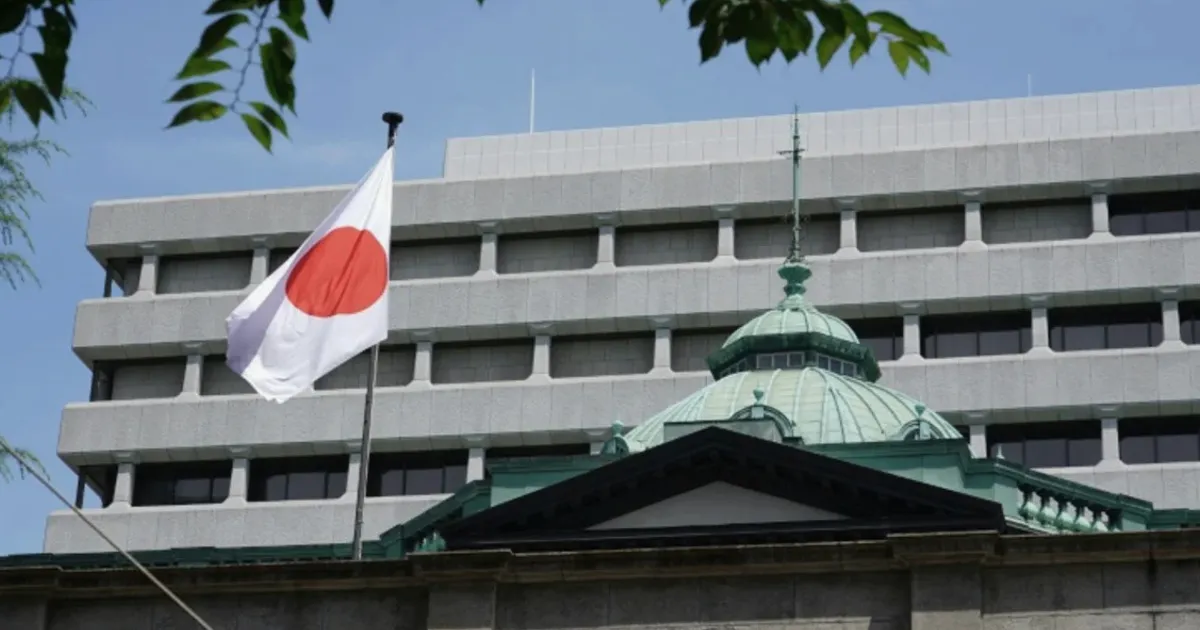
The Bank of Japan raised its benchmark interest rate to 1.0% on Tuesday, the highest level in 31 years, as it battles inflation fueled by the Middle East conflict and rising energy costs.
The widely expected 25-basis-point hike brings the rate to its highest since 1995, marking the first increase since December. The decision follows similar moves by the European Central Bank and Indonesia last week, as the war in the Middle East continues to disrupt global supply chains and push up energy prices. With US inflation at a three-year high, markets now anticipate that the Federal Reserve may also tighten policy, though not at new chair Kevin Warsh's first meeting. For energy traders, the BOJ's move signals that central banks globally are prioritizing inflation control, which could weigh on economic growth and oil demand. Live fuel prices and charts on NowPrice show how markets are reacting to the shifting monetary landscape.
Looking ahead, traders will focus on the BOJ's forward guidance for any hints of further tightening, as well as the impact of higher Japanese rates on the yen and commodity prices. The Fed's next decision remains a key watchpoint, with energy markets sensitive to any shift in US monetary policy. Additionally, developments in the Middle East peace process will be crucial for oil supply stability and inflation expectations.