




Why Bernie Sanders Is Wrong About Gas Prices and Oil Markets
Bernie Sanders claims oil companies are ripping off consumers because gasoline prices haven't fallen with oil, but refining margins and other factors explain the disconnect.
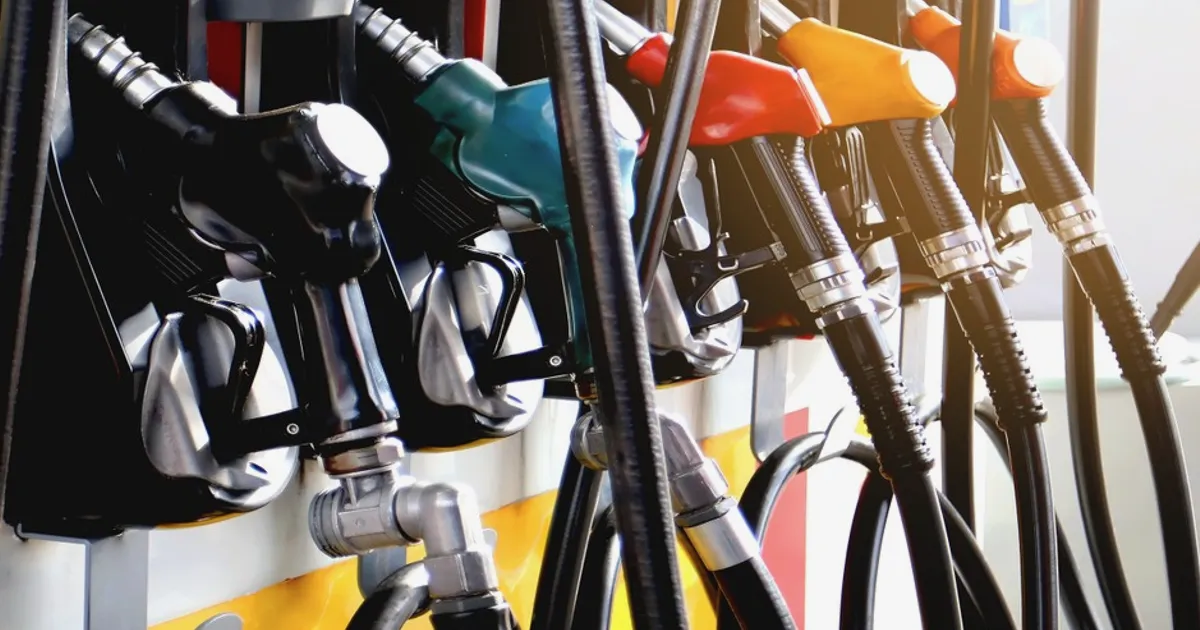
Bernie Sanders recently took to Facebook to argue that oil companies are ripping off American consumers, pointing to the fact that while crude oil prices are roughly the same as in 2011, gasoline prices are significantly higher. His logic seems intuitive: if the main input cost is unchanged, the final product should cost the same. But that reasoning overlooks the complex mechanics of the oil and gas market, where refining margins, taxes, and regional supply-demand dynamics play a crucial role.
The core flaw in Sanders' argument is that it ignores the crack spread — the difference between the price of crude oil and the price of refined products like gasoline. In 2011, U.S. refining capacity was higher, and gasoline demand was lower, leading to thinner margins. Today, several refineries have closed, reducing capacity, while demand has recovered. This has widened crack spreads, meaning refiners can charge more for gasoline even if crude prices stay flat. Additionally, state and federal taxes on gasoline have risen in many areas, and blending requirements for ethanol and other additives add costs that did not exist at the same level a decade ago. For traders tracking these moves, NowPrice's real-time fuel quotes provide the latest gasoline and diesel prices across U.S. hubs, helping to separate political rhetoric from market reality.
Looking ahead, the gasoline market will remain sensitive to refinery maintenance schedules, hurricane season risks along the Gulf Coast, and potential changes in U.S. biofuel mandates. The Biden administration has limited tools to force prices lower, as strategic petroleum reserve releases are a temporary fix. Investors should watch weekly EIA inventory reports for gasoline stockpiles, which directly influence pump prices. The broader lesson from Sanders' post is that energy markets are not simple pass-throughs from crude to consumer — and policymakers who ignore that risk proposing solutions that miss the mark.