




China's Energy Future Runs on Coal and Solar
China's latest five-year plan reveals continued heavy investment in both coal and renewable energy, highlighting a dual-track strategy that balances energy security with climate goals.
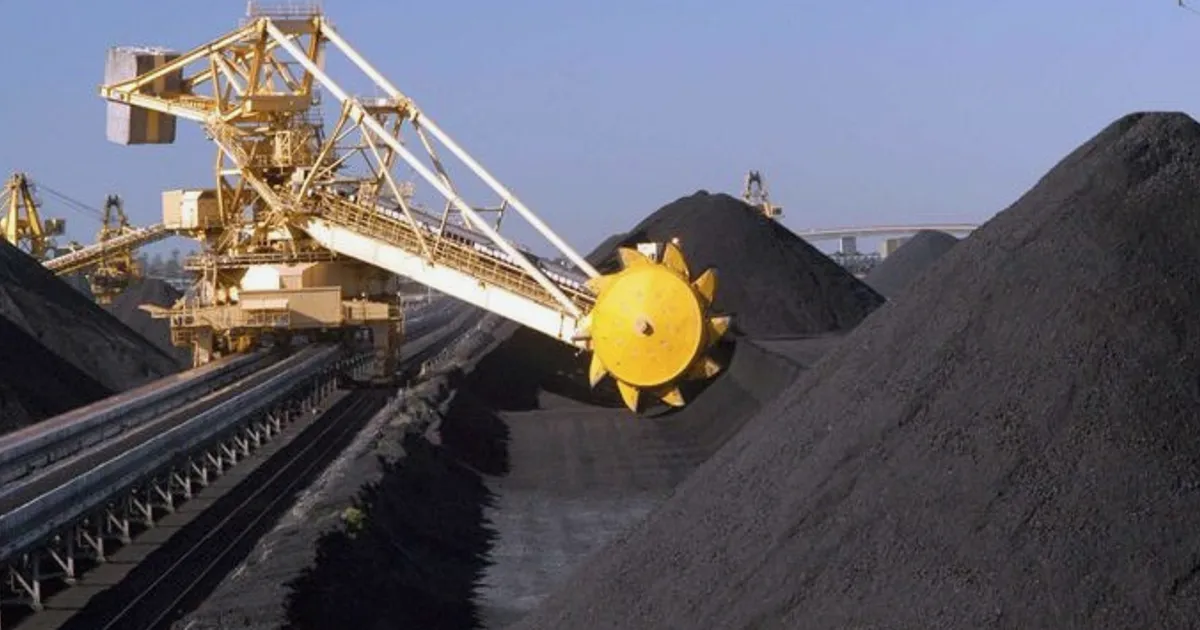
China will continue spending heavily on both coal and alternative energy, such as wind and solar, over the next five years, Beijing’s latest five-year plan revealed this month. The apparent paradox sees the world’s largest emitter by far continue to generate a solid portion of its energy from coal while also boosting the largest alternative energy capacity in the world. The thing is, it is not actually a paradox.
For energy commodities traders, this dual-track strategy has significant implications. China's sustained coal consumption supports global thermal coal prices, while its massive buildout of solar and wind capacity depresses demand for natural gas and oil in power generation over the long term. The country's coal-fired power plants are also being used to back up intermittent renewables, ensuring grid stability. This creates a floor for coal demand even as renewable penetration grows. For NowPrice users tracking real-time fuel quotes, monitoring China's coal imports and solar installation rates provides key signals for global energy price trends.
Looking ahead, investors should watch for concrete targets in the five-year plan's implementation, including specific coal capacity additions and renewable deployment milestones. The pace of China's energy transition will be a critical driver for global coal, gas, and oil markets. Any deviation from the plan—either toward faster coal phase-down or slower renewable buildout—could shift price dynamics. Additionally, China's role in international climate negotiations may influence policy adjustments. For now, the market expects China to remain the world's largest coal consumer and the largest renewable energy producer simultaneously, a reality that energy traders must factor into their strategies.