




China Manufacturing Hub Faces Energy Stress as Iran War Disrupts Fuel
China's key manufacturing hub faces an energy stress test as the Iran war disrupts fuel shipments, threatening industrial output and adding to global supply chain concerns.
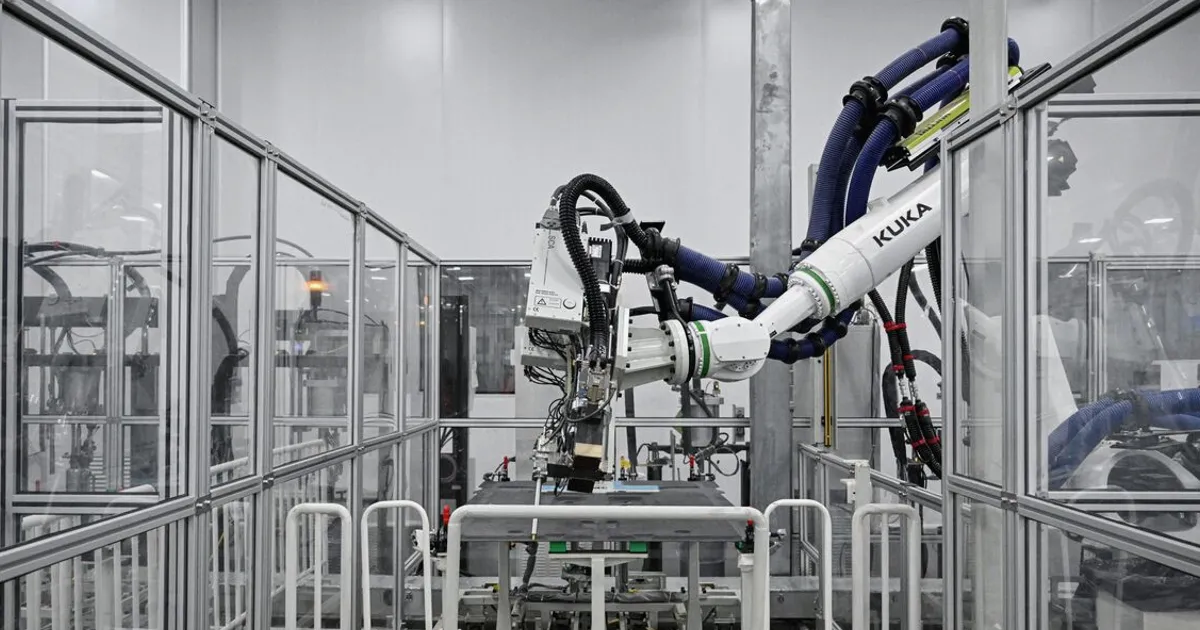
Economic activity in China’s most important manufacturing hub is heaping pressure on power supplies, sparking an energy stress test as the Iran war chokes shipments of fuel. The conflict in the Middle East has disrupted key shipping routes, reducing the flow of crude oil and refined products to the world’s largest importer of energy. With Iran’s position near the Strait of Hormuz, through which about 20% of global oil passes, the disruption has tightened physical crude availability, widening the Brent-WTI spread as Brent—more exposed to Middle East flows—outpaces WTI. Meanwhile, China’s strategic petroleum reserve (SPR), last reported at roughly 50 days of import cover, may be tapped if disruptions persist, though Beijing has historically been cautious about drawing down stocks.
For fuel traders, this development tightens the global supply-demand balance. China’s manufacturing heartland, which consumes vast amounts of electricity and diesel, now faces potential production cuts if fuel shortages persist. This could reduce Chinese demand for crude in the near term, but also raises the risk of higher fuel prices globally as refiners compete for alternative supplies. The crack spread—the margin between crude oil and refined products like diesel—has widened sharply in Asia, reflecting the scarcity of middle distillates. OPEC+ spare capacity, estimated at around 4-5 million barrels per day, mostly held by Saudi Arabia and the UAE, could be deployed to offset losses, but coordination with Russia—which has its own output constraints—remains complex. NowPrice’s real-time fuel quotes show the latest price movements across major hubs, reflecting the market’s reaction to the supply disruption.
Traders should watch for Chinese government measures to release strategic fuel reserves or adjust import quotas, as well as any diplomatic developments that could ease the Iran conflict. The situation also highlights the vulnerability of global supply chains to geopolitical shocks, with potential knock-on effects on industrial metals and shipping costs. Additionally, the futures curve has shifted into backwardation for crude, signaling immediate tightness, while China’s marginal demand—typically driven by industrial output and construction—could soften if power rationing deepens. Any signs of Saudi-Russia discord over output targets could further roil markets, as both nations have used OPEC+ discipline to support prices. Finally, the contango structure seen in some refined products may emerge if storage becomes profitable, offering traders hedging opportunities amid the volatility.