




ECB's Dolenc Sees No Urgency to Hike If Energy Markets Stay Calm
ECB Governing Council member Primoz Dolenc indicated that the central bank may hold rates steady at its next meeting if Middle East tensions do not disrupt energy markets, providing relief to oil and gas traders.
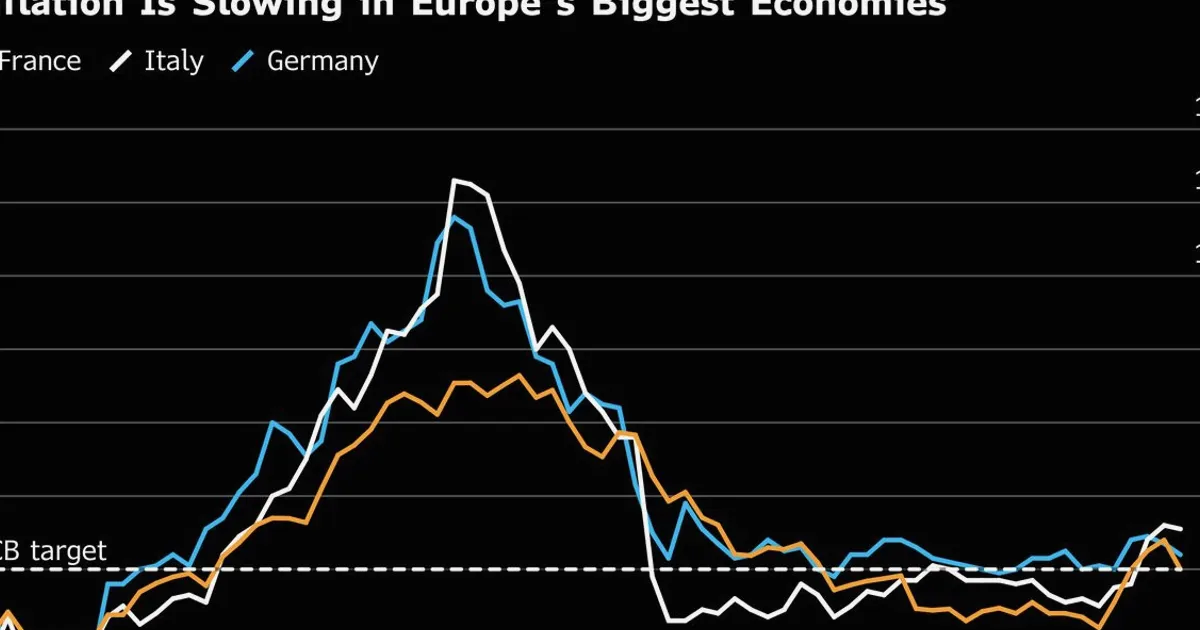
European Central Bank Governing Council member Primoz Dolenc said the ECB may not need to raise interest rates at its next meeting if energy markets remain calm amid Middle East tensions. The comment suggests that the central bank is closely monitoring geopolitical risks that could fuel inflation through higher oil and gas prices. Dolenc's assessment comes as Brent crude hovers near $85 per barrel and the Brent-WTI spread remains tight, reflecting global supply constraints. The ECB's dovish lean is also supported by the current backwardation in crude futures, which signals near-term tightness but expectations of easing later. With US Strategic Petroleum Reserve levels at their lowest since the 1980s after last year's historic drawdown, the buffer against supply shocks is thinner, making the ECB's vigilance on energy prices particularly acute.
For oil and gas traders, Dolenc's remarks signal that the ECB is prioritizing stability in energy markets as a key factor in its monetary policy decisions. If the situation in the Middle East does not escalate, the ECB could hold rates steady, which would support economic activity and energy demand. This stance is reinforced by OPEC+ spare capacity, estimated at around 4-5 million barrels per day, mostly held by Saudi Arabia and the UAE, which provides a theoretical cushion but is concentrated in a few hands. Meanwhile, crack spreads—the refining margin between crude oil and products like gasoline and diesel—remain elevated, indicating that downstream margins are still absorbing price pressures. Live fuel prices and charts on NowPrice show how the market is reacting to these signals, with crude benchmarks and natural gas futures adjusting to the evolving outlook. China's marginal demand, as the world's largest crude importer, also plays a role; recent data shows a slight dip in imports, but any stimulus-driven rebound could tighten the market further.
Looking ahead, traders will watch for any escalation in the Middle East that could disrupt energy supplies and force the ECB to reconsider its stance. Key data releases, including eurozone inflation and economic activity figures, will also be critical in shaping the ECB's next move. The central bank's next meeting is scheduled for July, and any shift in rhetoric could impact energy price expectations. Additionally, the contango structure in natural gas markets suggests ample storage in Europe, but a cold snap or supply disruption could quickly flip the curve. Saudi-Russia coordination remains a wildcard; any signs of discord within OPEC+ could lead to a price war, while continued unity supports the floor. Traders should also monitor the US dollar index, as a weaker dollar makes oil cheaper for other currency holders, potentially boosting demand. The ECB's decision will ultimately hinge on whether energy markets stay calm or become a conduit for broader inflationary pressures.