




ECB's Rehn Warns Energy Shock Fuels Stagflation Risks
ECB's Olli Rehn warns that the Middle East conflict-driven energy shock is creating stagflationary pressures, complicating the central bank's policy path.
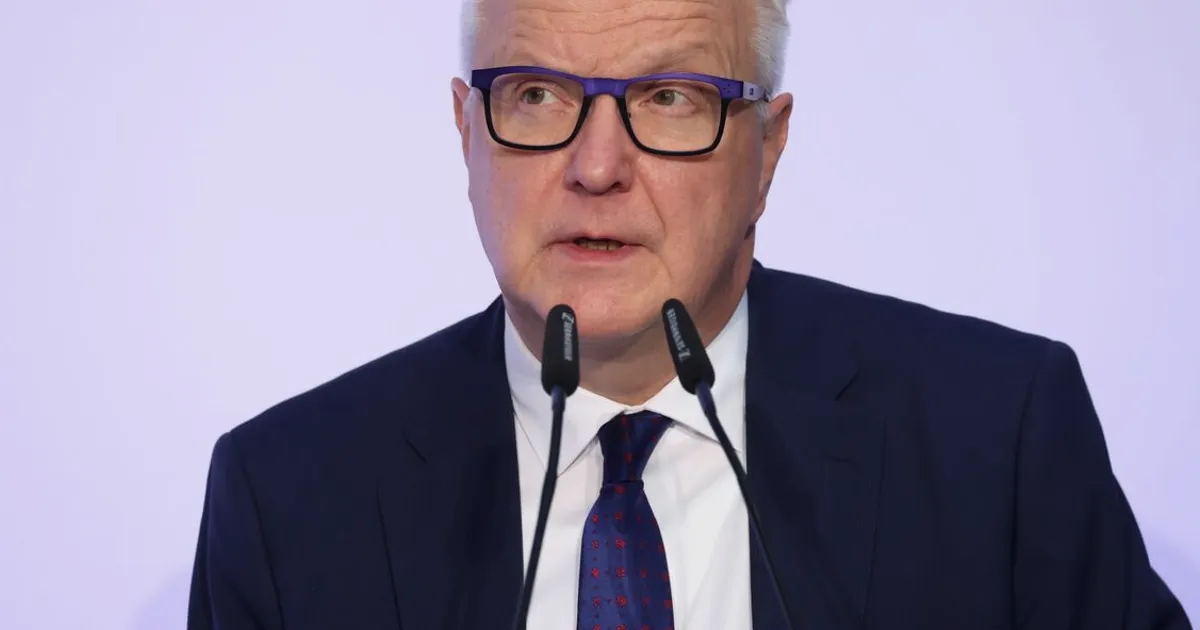
European Central Bank Governing Council member Olli Rehn said the energy shock stemming from the Middle East conflict is producing stagflationary effects, stoking inflation while weighing on economic expansion. The warning from the Finnish central bank governor adds to growing concerns among policymakers that the region's instability could derail the euro area's fragile recovery.
For energy commodity traders, Rehn's comments underscore the dual threat facing the global economy: higher fuel costs from supply disruptions and weaker demand from slowing growth. This stagflationary environment typically pressures central banks to choose between fighting inflation and supporting growth, a dilemma that can lead to volatile moves in oil and gas prices. Traders should monitor the Brent-WTI spread and crack spreads for refining margins, as well as the contango or backwardation structure in futures markets for signals on supply tightness. NowPrice's fuel page offers real-time pricing data to track these shifts.
Looking ahead, markets will focus on upcoming ECB policy meetings and any further commentary from officials on how they plan to navigate the stagflationary risks. Key data releases include euro area GDP and inflation figures, which will provide clues on the severity of the economic slowdown. Additionally, any escalation or de-escalation in the Middle East conflict will directly impact energy prices and the inflation outlook.