




Energy Transfer Expands Nederland NGL Export Terminal, Boosts Ethane Capacity
Energy Transfer LP announced an expansion of its Nederland NGL export terminal, adding 240,000 bpd of ethane capacity and 55,000 bpd of LPG capacity, fully committed under long-term agreements.
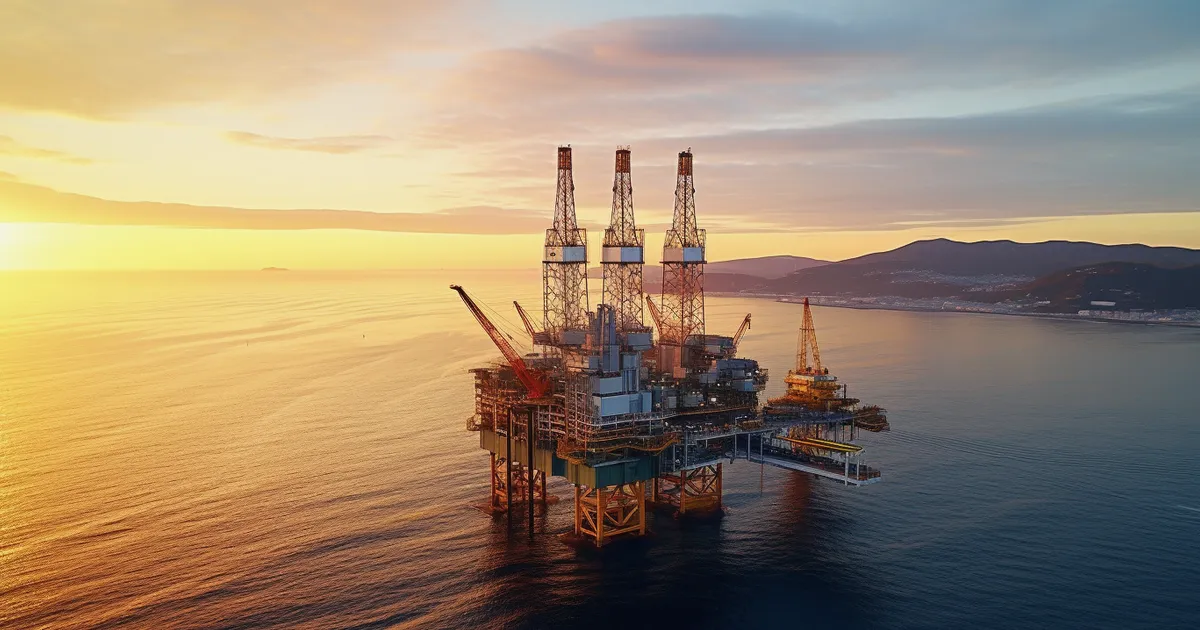
Energy Transfer LP (NYSE: ET) announced on June 18 an expansion of its Nederland NGL export terminal in Texas, aimed at meeting additional customer demand. The project will increase ethane export capacity by 240,000 barrels per day and add 55,000 bpd of LPG capacity. All of the new ethane capacity has been committed under long-term agreements extending into the 2040s, signaling strong demand for US natural gas liquids. This expansion leverages the US shale boom, where abundant natural gas liquids from the Permian and other basins are processed and exported. The Nederland terminal, located on the Gulf Coast, benefits from proximity to major petrochemical hubs and export routes, allowing efficient loading of very large gas carriers (VLGCs) for global delivery.
For energy commodities traders, the expansion underscores the growing role of US NGL exports in global markets, particularly as OPEC+ spare capacity and geopolitical tensions impact crude and product flows. The Nederland terminal has already exported over 430 million barrels of ethane since 2021. This capacity addition could influence ethane and LPG pricing dynamics, especially as global demand for petrochemical feedstocks rises in Asia and Europe. The Brent-WTI spread and US SPR levels also play a role in shaping export economics, while crack-spread analysis helps traders gauge refinery margins. China's marginal demand for ethane as a feedstock for ethylene production is a key driver, as it competes with naphtha-based routes. Traders can monitor real-time NGL price movements on NowPrice's live fuel dashboard to track market reactions, including contango or backwardation structures in futures curves.
Looking ahead, the full commitment of capacity suggests sustained demand visibility, supported by Saudi-Russia coordination in global energy markets that can influence alternative feedstock costs. Market participants will watch for further expansions from Energy Transfer and other midstream players, as well as developments in global petrochemical demand. The long-term agreements also provide revenue stability for the company, which may support its stock performance. Key factors to monitor include US natural gas production trends, export terminal utilization rates, and shifts in global trade flows, particularly as new petrochemical capacity comes online in China and the Middle East. Any changes in US energy policy or trade tariffs could also impact NGL export competitiveness.