




Equinor Invests $412M in Troll Subsea Development to Boost Gas Output
Equinor and partners approve a $412 million subsea development to boost gas output from the giant Troll field in the North Sea, reinforcing Norway's role as a key European gas supplier.
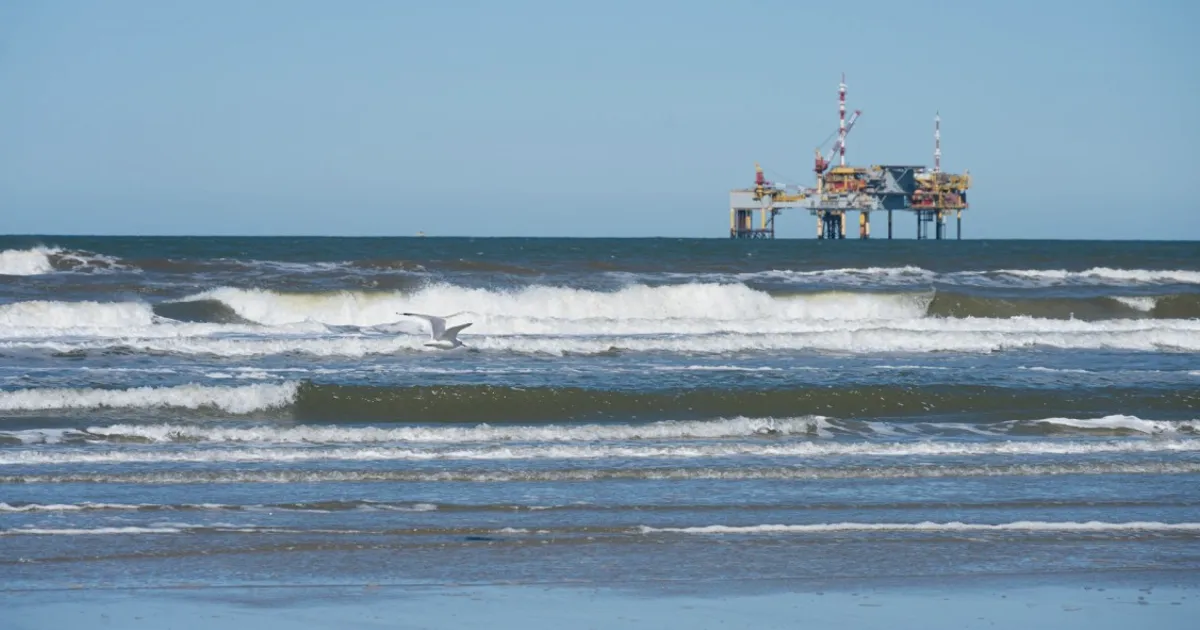
Equinor and its partners have approved a $412 million subsea development to boost gas production from the Troll field in the North Sea, one of Norway's largest gas fields. The investment, totaling just over 4 billion Norwegian crowns, will fund a new subsea development that increases gas output from the Troll field. Partners include Petoro, Shell, TotalEnergies, and ConocoPhillips. The project underscores the continued importance of Norwegian gas for European energy security, especially as the continent seeks to diversify away from Russian supplies. For traders, this additional supply could influence European gas prices, particularly if it comes online during periods of high demand. NowPrice's live fuel dashboard allows traders to track the impact of such supply developments on natural gas prices in real time.
The Troll field has been a cornerstone of Norwegian gas production for decades, and any incremental output could help ease tightness in the European gas market. This is particularly relevant given the ongoing geopolitical tensions and the need for Europe to secure alternative sources. The development comes at a time when the European gas market is still adjusting to the loss of Russian pipeline flows, and the TTF benchmark remains sensitive to supply news. The additional gas from Troll could help moderate price spikes during peak demand, especially if it coincides with cold winters or reduced LNG availability. Moreover, the project highlights the role of Norwegian gas in the broader energy transition, as it provides a relatively lower-carbon bridge fuel. Market participants will also consider the impact on the Brent-WTI spread and the potential for increased Norwegian exports to displace other sources.
Looking ahead, the project's timeline and final investment decision details will be closely watched. Market participants will also monitor regulatory approvals and construction milestones, as well as broader trends in Norwegian gas exports and their effect on the TTF benchmark. The development is expected to take several years to complete, with first gas likely in the late 2020s. Traders will also keep an eye on OPEC+ spare capacity and its influence on global energy markets, as well as the potential for contango or backwardation in gas futures. Additionally, the project's economics will be influenced by crack spreads and the relative pricing of oil and gas. The ability of Norway to maintain and increase its gas output is critical for European energy independence, and any delays or cost overruns could have significant implications for supply security and pricing dynamics.