




Europe EV Sales Surge 34% in May as Chinese Brands Gain Share
European electric vehicle sales surged 34% year-on-year in May, driven by Chinese brands, while gasoline and diesel car sales declined amid higher fuel prices.
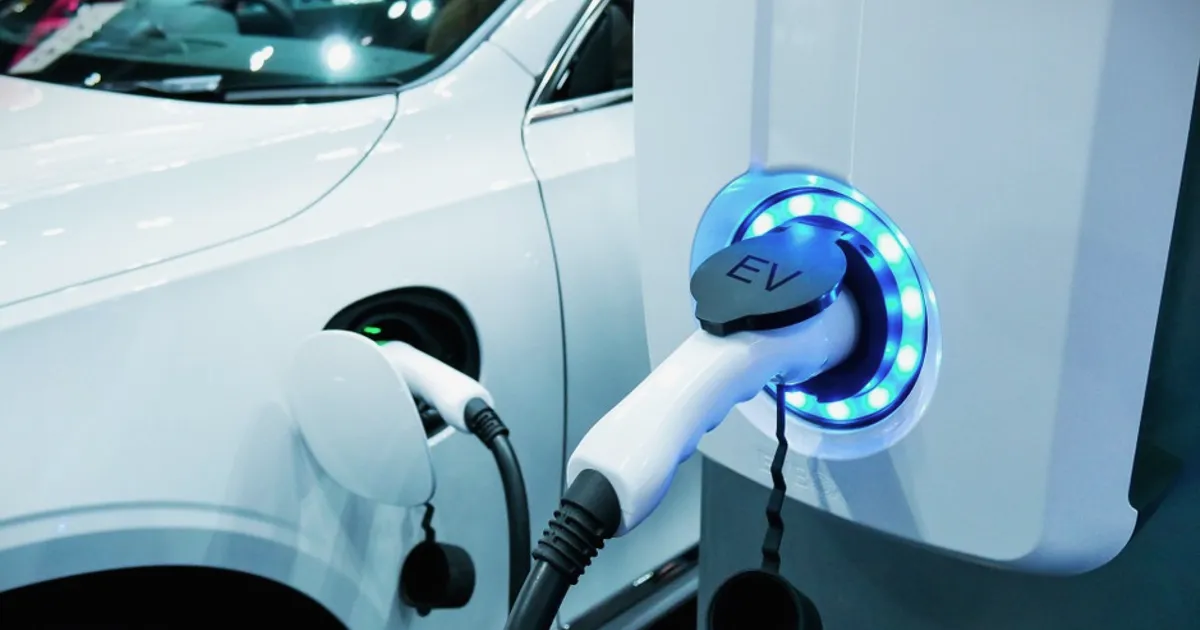
European electric vehicle sales surged 34% year-on-year in May, driven by an influx of Chinese brands, as overall car registrations rose 3.6% during the month. Gasoline and diesel car sales declined amid higher pump prices, according to data from the European Automobile Manufacturers' Association and E-Mobility and New Automotive. The EV boom is reshaping fuel demand dynamics, with gasoline and diesel vehicles losing ground, creating headwinds for oil demand growth in the region. Higher pump prices have further incentivized consumers to switch, reinforcing the trend. For current fuel pricing context, traders can check NowPrice's fuel page.
The acceleration of EV adoption in Europe is a structural factor weighing on long-term gasoline and diesel consumption. This shift impacts crack-spread economics, as refineries may see reduced margins for gasoline and diesel if demand continues to fall. Meanwhile, the Brent-WTI spread and OPEC+ spare capacity remain key for global supply dynamics, but European demand shifts are more localized. The US Strategic Petroleum Reserve (SPR) levels, currently at around 370 million barrels, provide a buffer against supply disruptions, but do not directly counter demand-side changes. China's marginal demand for oil, which has been a key driver of global growth, remains robust, but Europe's transition could offset some gains. Saudi-Russia coordination within OPEC+ continues to manage supply, but the long-term demand outlook is increasingly influenced by EV penetration. Contango and backwardation in futures markets reflect these shifting expectations, with backwardation currently indicating tight supply but potential easing as demand evolves.
Looking ahead, market participants will watch for further policy support for EVs in Europe, including potential incentives and charging infrastructure investments. The continued rise of Chinese brands could intensify competition and lower EV prices, accelerating the transition. Traders should also monitor OPEC+ supply decisions and refinery margins, as shifting demand patterns may impact crude and product markets in the coming months. The interplay between EV adoption, pump prices, and global supply dynamics will be crucial for fuel pricing and trading strategies.