




European LNG Imports Extend April’s Drop as Flows to Asia Climb
European LNG imports are set for a second consecutive monthly decline as cargoes increasingly divert to Asia, driven by stronger demand and higher prices in the region.
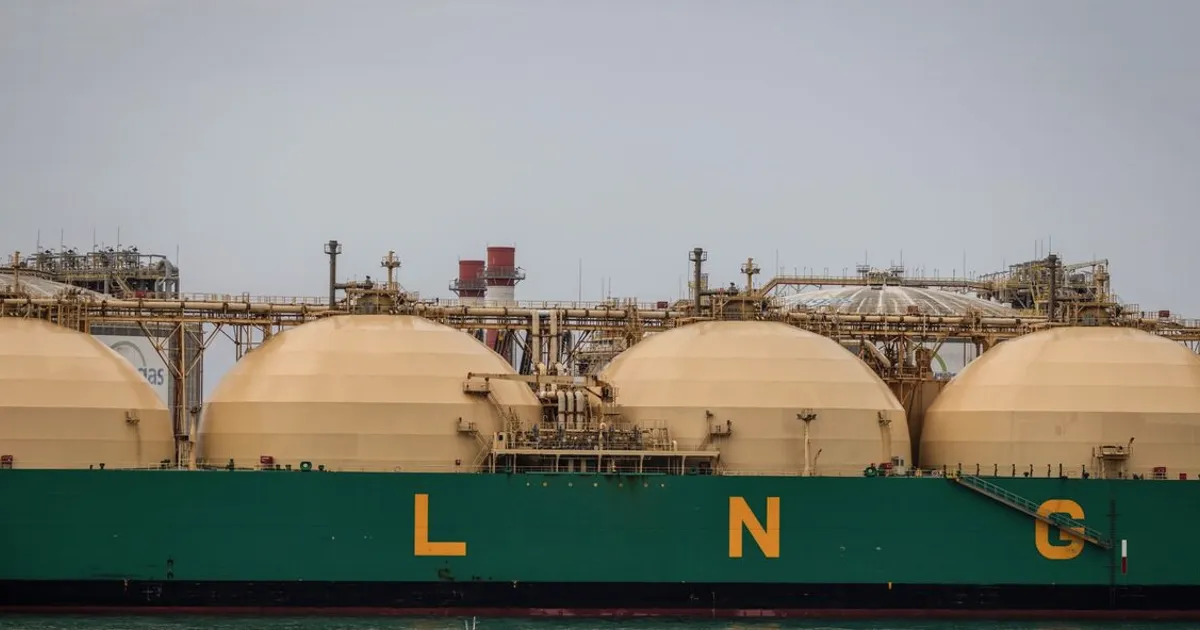
European imports of liquefied natural gas are heading for a second consecutive monthly decline, as cargo flows increasingly shift toward Asia. The drop extends a trend that began in April, when arrivals fell sharply amid warmer weather and ample storage in Europe. The shift comes as Asian buyers, led by China and India, step up purchases to meet rising power demand and restock depleted inventories.
For energy traders, the rebalancing of global LNG flows has direct implications for price differentials between the two basins. The Asia–Europe spread has widened, making it more profitable for suppliers to divert cargoes eastward. This dynamic is particularly relevant as Europe heads into the summer injection season, when the region typically builds storage ahead of winter. Reduced inflows could tighten the European market and support benchmark TTF prices, while Asian spot LNG prices may face upward pressure from increased competition for cargoes. Traders can monitor real-time LNG price movements and cargo tracking data on NowPrice to stay ahead of shifting supply patterns.
Looking ahead, market participants will watch for further developments in Asian demand, especially from China's industrial sector and India's power grid. Any slowdown in Asian buying could quickly reverse the flow pattern. Additionally, European gas storage levels and weather forecasts will be key factors determining whether the current trend persists. The Iran war disruption mentioned in the original headline adds an element of geopolitical risk, though its direct impact on LNG flows remains to be seen. Traders should also keep an eye on maintenance schedules at key LNG export facilities in the US, Qatar, and Australia, which could tighten global supply further.