




Exxon to Supply LNG to Help South Africa Reduce Reliance on Coal
Exxon Mobil has signed a preliminary deal to supply liquefied natural gas to South Africa, aiming to reduce the country's heavy reliance on coal for power generation.
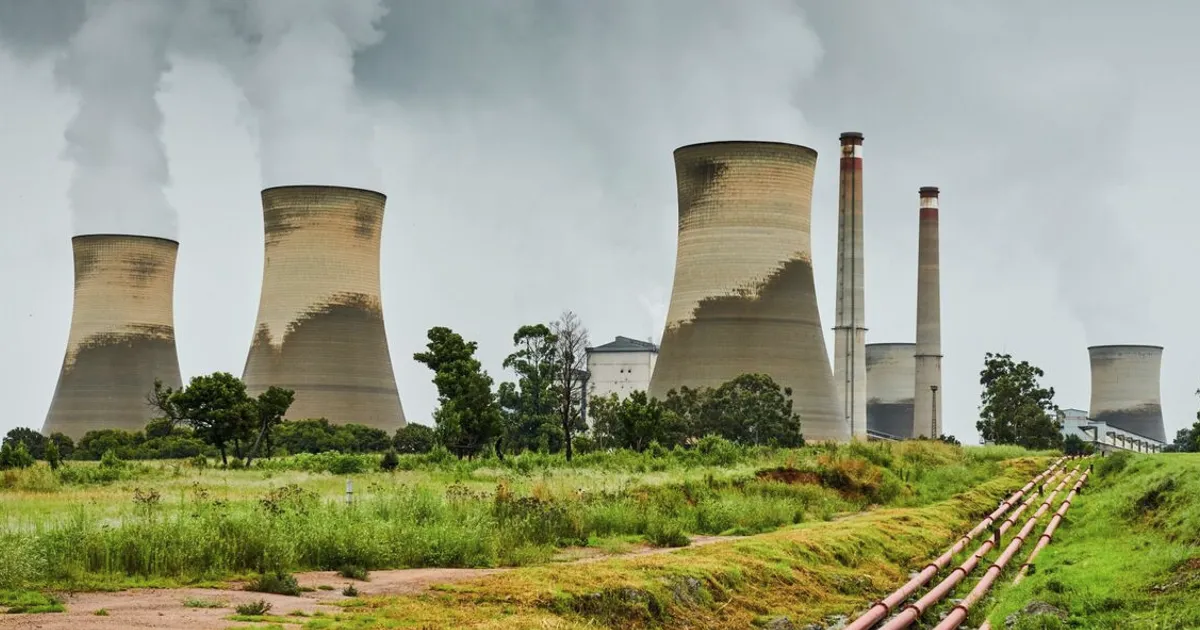
Exxon Mobil Corp. has reached a preliminary agreement to supply liquefied natural gas (LNG) to South Africa, according to sources familiar with the matter. The deal is intended to help the country diversify its energy mix and reduce its heavy reliance on coal, which currently accounts for over 80% of its electricity generation. South Africa is among the world's top coal producers and consumers, but aging coal plants and frequent power outages have accelerated the search for alternatives. LNG offers a cleaner-burning option that can be ramped up quickly compared to renewable projects, making it an attractive bridge fuel. The agreement with Exxon, one of the largest LNG producers globally, could involve volumes from its massive portfolio, including projects in Mozambique and the United States. For context, global LNG trade reached about 400 million tonnes in 2023, with the Atlantic Basin accounting for roughly half. South Africa's entry as a buyer could tighten an already balanced market, especially if winter demand in Europe and Asia remains robust.
For energy traders, this development signals a potential shift in South Africa's import demand, which could affect global LNG flows. As one of the largest coal-dependent economies, South Africa's move toward gas could increase competition for LNG cargoes in the Atlantic Basin, potentially supporting prices. The Brent-WTI spread and crack-spread economics will be key to watch, as higher LNG prices often lift crude and refined product values. Additionally, OPEC+ spare capacity (around 5-6 million barrels per day) and Saudi-Russia coordination could influence the broader energy complex. China's marginal demand, which has been subdued due to economic slowdown, could also rebound and further tighten LNG supply. Traders can monitor real-time LNG and fuel pricing on NowPrice to assess market impacts, especially as contango or backwardation structures shift in response to changing fundamentals.
Looking ahead, the deal remains preliminary and requires final agreements and regulatory approvals. Market participants will watch for further details on volumes, pricing terms, and timeline. The success of this initiative could also influence other coal-heavy nations in Africa to consider LNG as a transition fuel. Key factors to monitor include the US Strategic Petroleum Reserve (SPR) levels, currently at around 370 million barrels, which could be released if prices spike. The crack spread—the difference between crude oil and refined product prices—will indicate refining margins and demand for gas-derived products. Any delays in South Africa's regulatory process or competition from other buyers could alter the deal's impact. Ultimately, this agreement underscores the growing role of LNG in emerging markets' energy transitions, with implications for global trade flows and pricing dynamics.