




Gasoline Dips Below $4 Per Gallon by a Hair
US gasoline prices have slipped just under $4 per gallon, a psychological threshold that could influence consumer sentiment and fuel demand expectations.
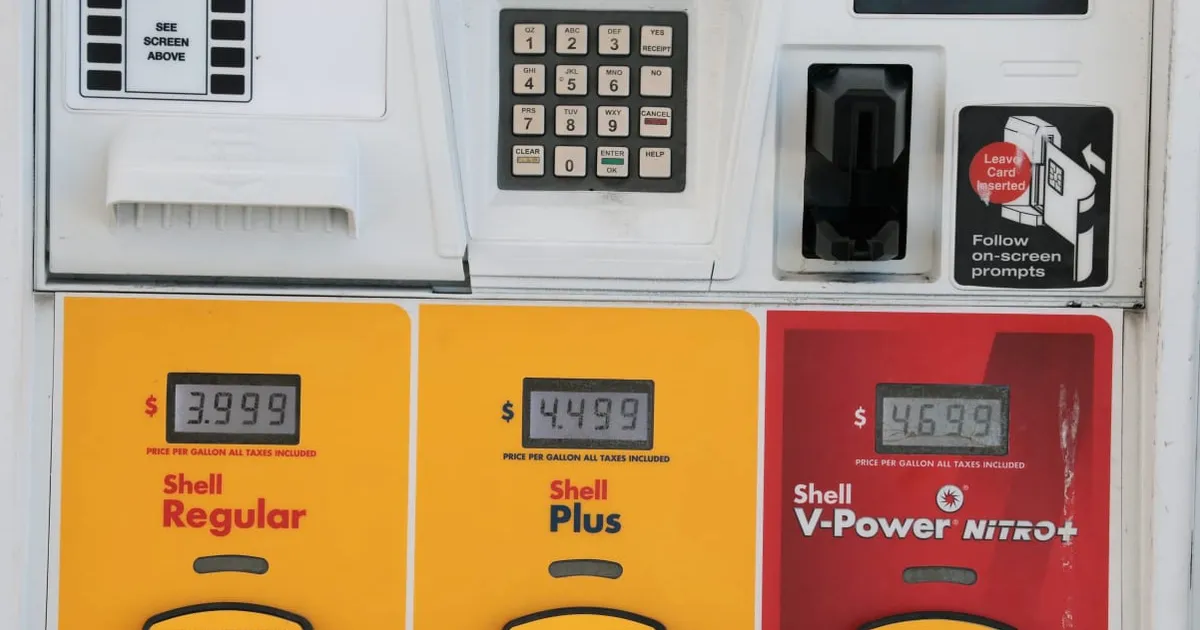
Gasoline prices in the United States have dipped below $4 per gallon for the first time in months, albeit by the narrowest margin. The average national price now sits just under the psychologically significant $4 threshold, according to data from the American Automobile Association (AAA). This marks a notable shift from the elevated levels seen earlier in the year, when prices consistently exceeded $4.50 per gallon. The move below $4 is driven by a combination of lower crude oil costs and improved refinery output. Brent crude, the global benchmark, has retreated from its highs amid concerns over global demand and easing supply disruptions. The Brent-WTI spread has narrowed, reflecting balanced flows, while US Strategic Petroleum Reserve levels remain near historic lows after last year's releases, limiting the government's ability to intervene further. For fuel traders, the break of this key level could signal further downside if seasonal demand fails to pick up. NowPrice's real-time fuel quotes show the latest retail and wholesale prices across major US hubs, allowing traders to track the trend as it develops.
The decline in gasoline prices reflects broader dynamics in the oil market, where OPEC+ spare capacity—estimated at over 4 million barrels per day—provides a buffer against supply shocks, but Saudi-Russia coordination on production cuts has kept a floor under prices. Meanwhile, crack spreads, which measure refining margins, have compressed as gasoline demand softens relative to diesel, indicating ample supply. China's marginal demand, a key driver of global crude prices, remains tepid amid a sluggish economic recovery, further weighing on Brent. The contango structure in the futures market suggests near-term oversupply, discouraging storage and adding downward pressure on spot prices. However, any sudden disruption—such as hurricane-related refinery outages or a shift in OPEC+ policy—could quickly reverse the trend, especially with the US SPR at reduced levels.
Looking ahead, the focus shifts to the upcoming summer driving season, which typically boosts gasoline demand. However, if economic headwinds persist, demand may remain subdued. Traders should also watch for any supply-side shocks, such as hurricane-related refinery outages or OPEC+ production decisions, which could quickly reverse the current downward trend. The backwardation in the forward curve would signal tightening supply, while a return to contango would confirm ongoing weakness. With the US SPR at its lowest since the 1980s, the government has limited capacity to offset price spikes, making the market more sensitive to unexpected outages. NowPrice continues to monitor these factors to provide timely insights for fuel traders navigating this volatile environment.