




German Inflation Eases as Oil Retreat Tames Prices in Europe
German inflation cooled more than expected in June, driven by falling global oil prices, signaling relief for energy markets across Europe.
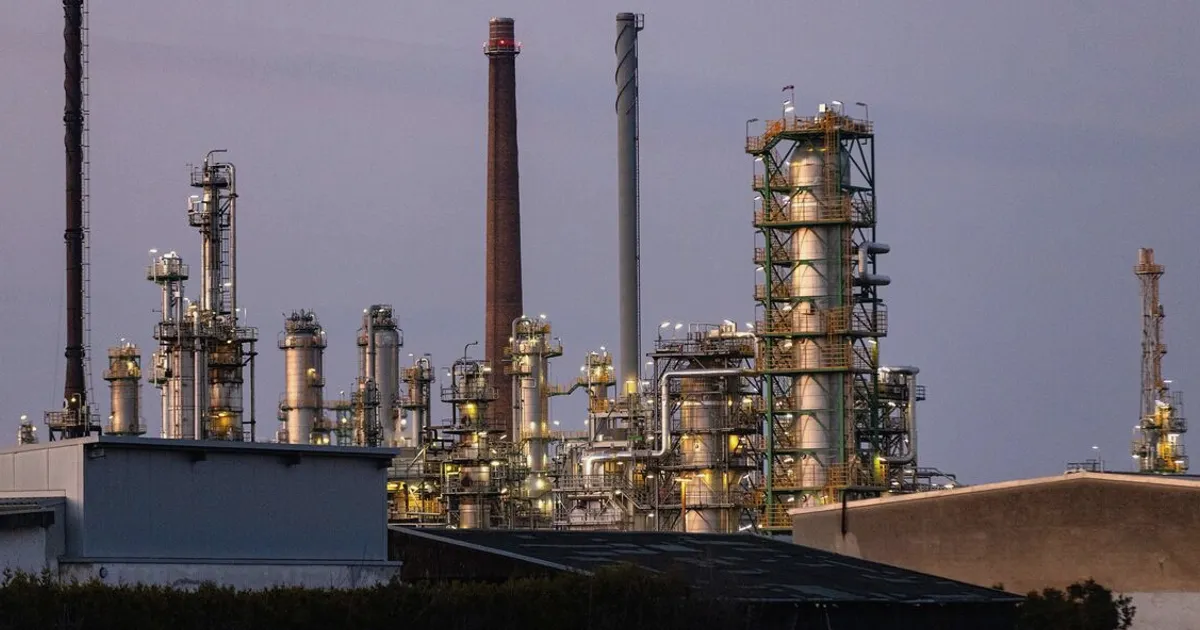
German inflation eased more than expected in June, driven by a retreat in global oil prices that is helping to tame energy costs across Europe. The headline consumer price index rose 2.5% year-on-year, down from 2.8% in May and below the 2.6% forecast, according to Destatis. The drop in oil prices directly impacts fuel costs, which feed into headline inflation figures. Brent crude has fallen from $87 per barrel in April to around $82 in late June, reflecting ample supply from OPEC+ and softer demand from China, the world's largest crude importer. The Brent-WTI spread has narrowed to $3.50, indicating balanced global flows. US Strategic Petroleum Reserve levels remain at 370 million barrels, near a 40-year low, limiting Washington's ability to intervene further. For energy traders, this signals a potential shift in demand dynamics and could influence OPEC+ production decisions. The disinflationary trend may reduce pressure on the European Central Bank to maintain aggressive rate hikes, which could support economic activity and energy demand. Lower inflation also improves crack-spread economics for refiners, as gasoline and diesel margins stabilize. Check NowPrice's fuel page for current pricing on gasoline, diesel, and heating oil in your region.
Looking ahead, traders will monitor upcoming eurozone inflation data and the next OPEC+ meeting on August 1 for clues on supply policy. Saudi Arabia and Russia, the de facto leaders of the alliance, have signaled willingness to extend voluntary cuts of 2.2 million barrels per day if prices weaken further. Any rebound in oil prices could reverse the disinflationary trend, so key levels in Brent crude will be closely watched. The interplay between inflation and energy prices remains a critical driver for fuel markets in the coming weeks. Contango in the Brent forward curve has flattened, suggesting near-term oversupply, while backwardation in gasoline futures points to tightness ahead of summer driving season. China's marginal demand, which accounts for 60% of global oil demand growth, remains tepid as industrial output slows. Traders will also watch US gasoline inventories, which have risen 2% above the five-year average, capping crack spreads. The interplay between inflation and energy prices remains a critical driver for fuel markets in the coming weeks.