




Gold Drops Below $4,000 as US-Iran Tensions Stoke Inflation Fears
Gold fell below $4,000 an ounce as renewed US-Iran hostilities in the Persian Gulf stoked inflation fears, reversing a recent ceasefire-driven decline in energy prices.
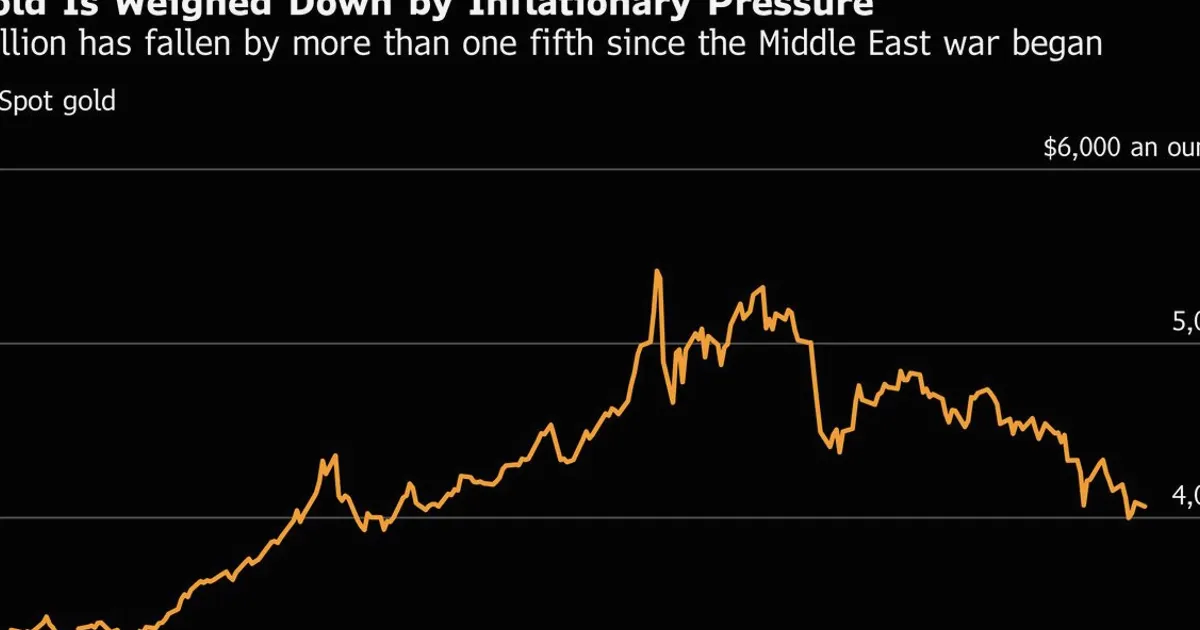
Gold declined to near $4,000 an ounce after the US and Iran traded attacks in the Persian Gulf, straining a ceasefire that had last week seen energy prices fall to pre-war levels and tempered expectations for an interest-rate hike. The precious metal slipped as traders repriced inflation risks, with spot gold dropping 1.2% on the session. The renewed hostilities between Washington and Tehran have reignited inflation concerns among traders, as any disruption to oil flows through the Strait of Hormuz—a chokepoint for about 20% of global crude—could send prices sharply higher. Higher energy costs typically feed through to broader inflation, reducing the likelihood that central banks will ease monetary policy. The Brent-WTI spread has widened to $4.50 on fears of supply constraints, while US Strategic Petroleum Reserve levels remain near 40-year lows, limiting the government's ability to intervene. For fuel traders, the geopolitical risk premium is back on the table, and NowPrice's live dashboard allows users to track real-time moves in crude, gasoline, and heating oil futures as the situation evolves. Crack spreads have surged as refineries pass on higher crude costs to consumers, with gasoline margins jumping 15% in the past week.
Market participants are now watching for any further escalation in the region, as well as official statements from OPEC+ members regarding potential output adjustments. The cartel holds over 5 million barrels per day of spare capacity, mostly in Saudi Arabia and the UAE, but any coordinated response with Russia could tighten markets further. China's marginal demand remains a wildcard, as the world's top importer has been stockpiling cheap crude amid the recent contango structure. The next key data point will be the US weekly crude inventory report, which could provide clues on how supply chains are holding up under the renewed tensions. A sustained rise in oil prices would likely keep gold under pressure as a hedge against inflation, while also supporting energy stocks and commodities. Traders are also monitoring the shift from backwardation to contango in the futures curve, which could signal oversupply if tensions ease.
What to watch: Any diplomatic breakthroughs or further military strikes could trigger sharp reversals. The US dollar's strength against a basket of currencies will also influence gold's appeal, as a stronger greenback makes the metal more expensive for foreign buyers. Additionally, the upcoming OPEC+ meeting in June will be crucial for setting production quotas, with some members pushing for higher output to cool prices. For now, the market remains on edge, with volatility expected to persist until a clearer picture of supply risks emerges.