




Gold Holds Drop as US-Iran Clashes Keep Inflation Risks in Focus
Gold prices remain under pressure as renewed US-Iran hostilities threaten nuclear talks and keep energy costs and inflation risks elevated, supporting a hawkish Fed stance.
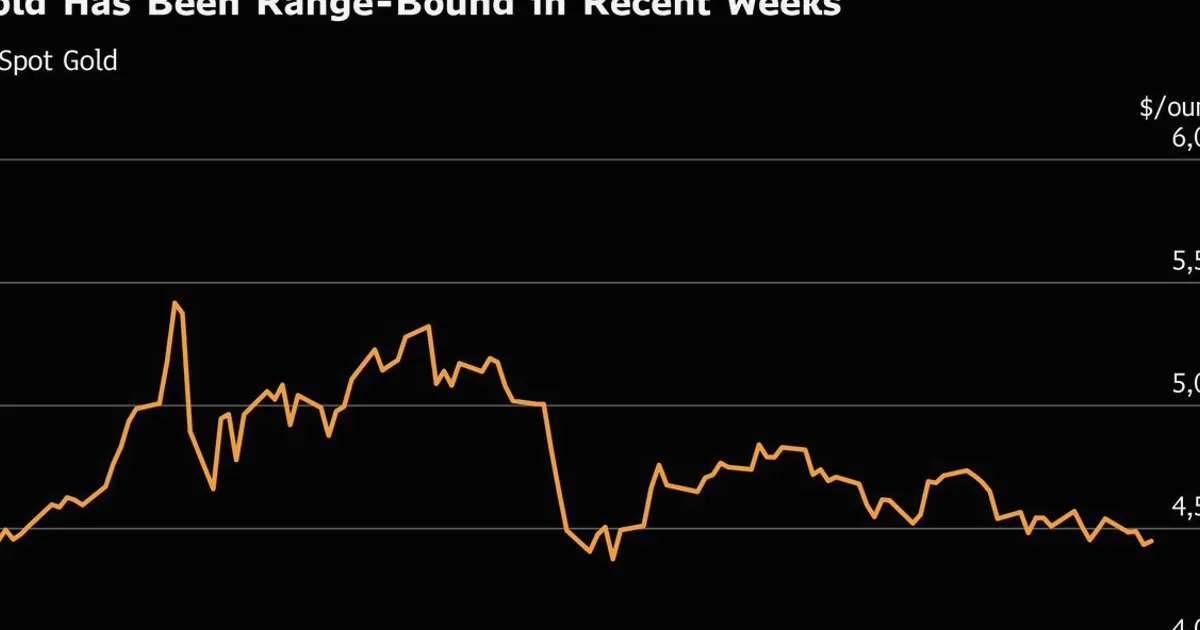
Gold prices extended their decline as renewed military clashes between the United States and Iran raised concerns over energy supply disruptions and persistent inflation. The escalation jeopardizes diplomatic efforts to end the long-running conflict, keeping crude oil prices elevated and adding to global inflationary pressures.
For energy commodities traders, the US-Iran tensions directly impact crude oil supply routes and refinery margins. The Strait of Hormuz, a critical chokepoint for global oil shipments, remains in focus as any disruption could spike prices. Higher energy costs feed into broader inflation, which in turn influences central bank policy. The Federal Reserve has maintained a hawkish stance, signaling that interest rate cuts may be delayed until inflation shows sustained progress toward the 2% target. This environment supports the dollar and weighs on gold, which offers no yield. Traders can check NowPrice's fuel page for real-time crude and gasoline pricing to assess current market conditions.
Looking ahead, market participants will monitor any diplomatic breakthroughs or further military actions that could shift the risk premium in oil and gold. Key data releases include US consumer price index readings and Fed commentary, which will provide clues on the rate path. A de-escalation in the Middle East could quickly reverse gold's safe-haven bid, while prolonged conflict may push prices higher as investors seek protection against inflation and geopolitical uncertainty.