




Greek LNG Buyer: Long-Term US Deals Getting More Difficult
A Greek LNG buyer warns that long-term supply deals with US exporters are becoming harder to secure, as geopolitical tensions reshape global gas trade flows.
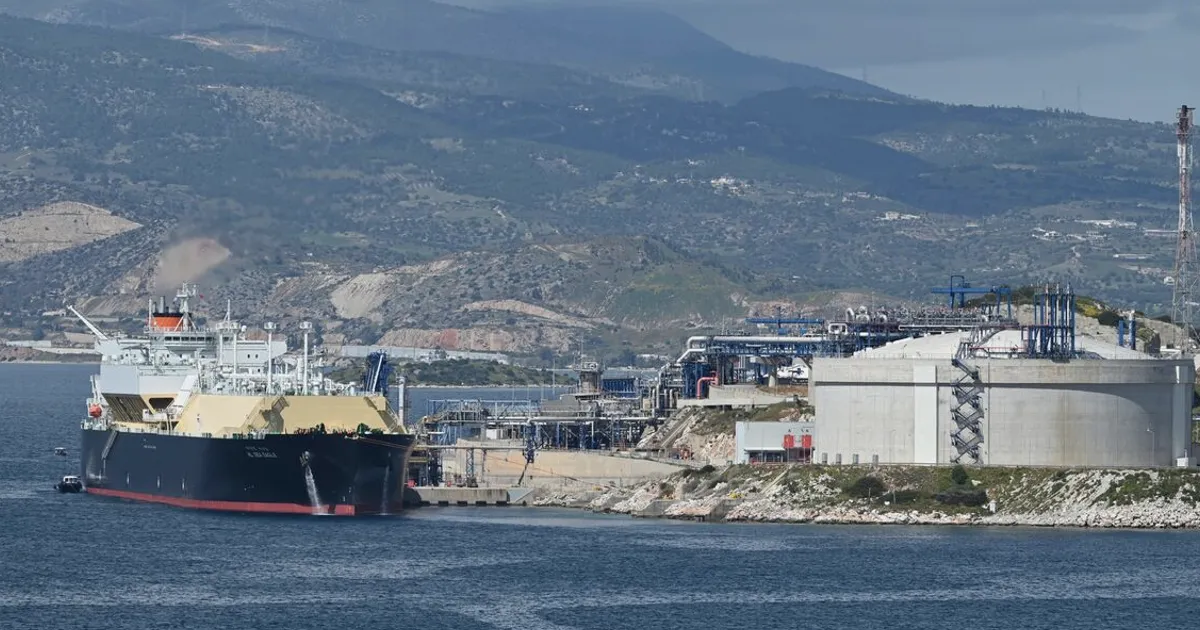
The head of Greece's Atlantic SEE LNG Trade has stated that securing long-term liquefied natural gas (LNG) supply agreements with US producers is becoming increasingly challenging, following the Iran war that has upended global energy markets. The comment highlights growing friction in the transatlantic gas trade as buyers seek stable supply amid geopolitical turmoil. This difficulty stems from US exporters prioritizing short-term, higher-margin spot sales over fixed long-term contracts, a shift driven by the post-Iran war scramble for energy security. With US LNG capacity already stretched, buyers like Atlantic SEE face stiff competition from Asian markets willing to pay premium prices, further complicating negotiations.
For fuel traders, this development signals a tightening in the availability of US LNG for European buyers, which could support prices in the Atlantic Basin. The US has become a critical supplier to Europe since the Russia-Ukraine conflict, and any reduction in long-term contracting flexibility may push European buyers toward spot purchases or alternative suppliers, increasing price volatility. This dynamic is exacerbated by the current backwardation structure in the LNG market, where near-term prices exceed forward prices, discouraging long-term deals. Traders can monitor current LNG pricing on NowPrice's fuel page for real-time context, as the Brent-WTI spread and crack-spread economics also influence refinery margins and downstream fuel costs.
Looking ahead, market participants will watch for further comments from other European buyers and any shifts in US export policy. Key data points include US LNG export volumes, European storage levels, and any signs of increased competition from Asian buyers. The ability of European buyers to secure long-term US supply will be a crucial factor in determining regional gas price differentials and overall market stability. Additionally, the role of OPEC+ spare capacity and Saudi-Russia coordination in oil markets will indirectly affect LNG pricing, as crude and gas markets are linked through supply dynamics. China's marginal demand for LNG, which has been subdued but could rebound, also poses a risk to European supply security. Traders should monitor the contango/backwardation shifts in the futures curve, as these reflect market expectations for supply tightness.