




Gulf Shipping Crisis Drives New Eurasian Trade Corridors
Attacks on Iran have collapsed Strait of Hormuz shipping, forcing a shift to overland Eurasian trade routes and raising global fuel costs by $35 billion.
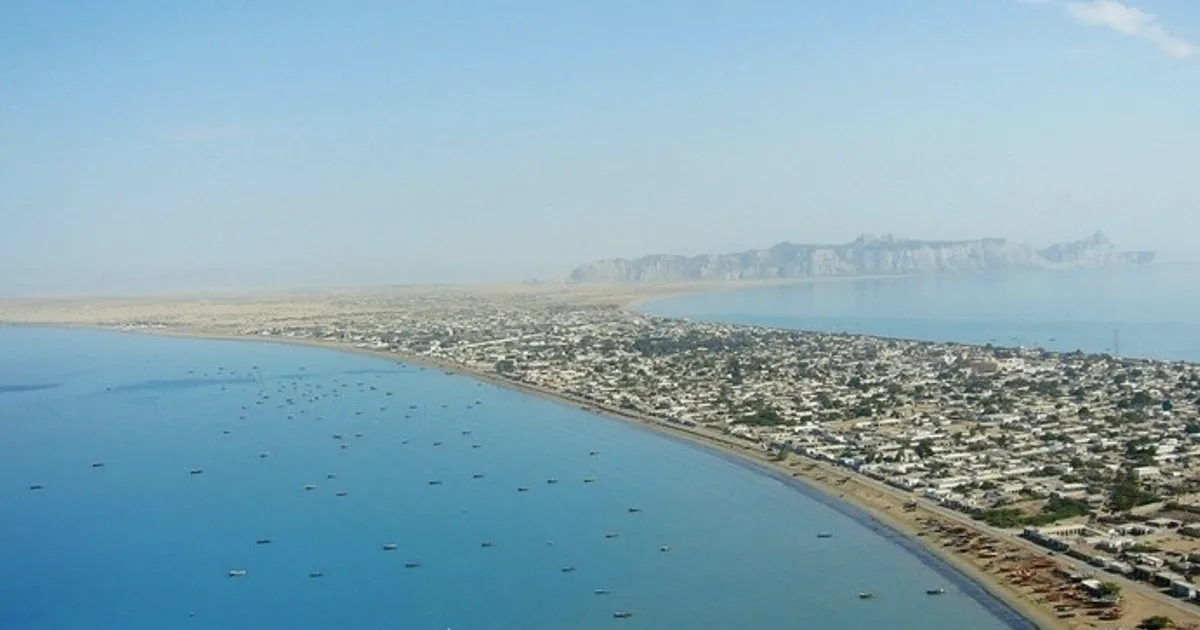
The ongoing crisis in the Gulf region has effectively shut down shipping through the Strait of Hormuz, a critical chokepoint for global oil and liquefied natural gas (LNG) flows. Military operations linked to US-Israeli strikes on Iran have led to the collapse of maritime traffic, forcing energy traders and logistics companies to seek alternative overland routes across Eurasia. This disruption is reshaping trade patterns and adding significant costs to fuel supply chains worldwide.
For oil, gas, and energy commodity traders, the closure of the Strait of Hormuz directly impacts supply availability and pricing. Approximately 20% of the world's oil passes through this narrow waterway, and its blockade has already contributed to a surge in global fuel costs. According to Brown University, extra gas and diesel expenses since the start of the conflict have reached $35 billion. The shift to Eurasian corridors, while boosting connectivity between Asia and Europe, introduces longer transit times and higher logistics costs, which are reflected in widening Brent-WTI spreads and increased volatility in crude futures. Live fuel prices and charts on NowPrice show how the market is reacting to these supply constraints in real time.
Looking ahead, traders should monitor the evolution of these alternative trade routes, particularly the development of rail and pipeline infrastructure linking Central Asia to European markets. The International Labour Organization warns that real labor incomes could fall by up to $3 trillion globally by 2027 due to these disruptions. Key data points include weekly oil inventory reports from the US Energy Information Administration and any diplomatic developments regarding the Strait of Hormuz. The Pentagon has already spent $29 billion on military operations, and further escalation could deepen the crisis, making supply chain diversification a critical theme for energy markets.