




Hormuz Traffic Thins Friday as Shipowners Err on Side of Safety
Traffic through the Strait of Hormuz thinned on Friday as shipowners prioritized safety, a day after a surge in oil flows following US-Iran vows to lift blockades, raising supply risk premiums.
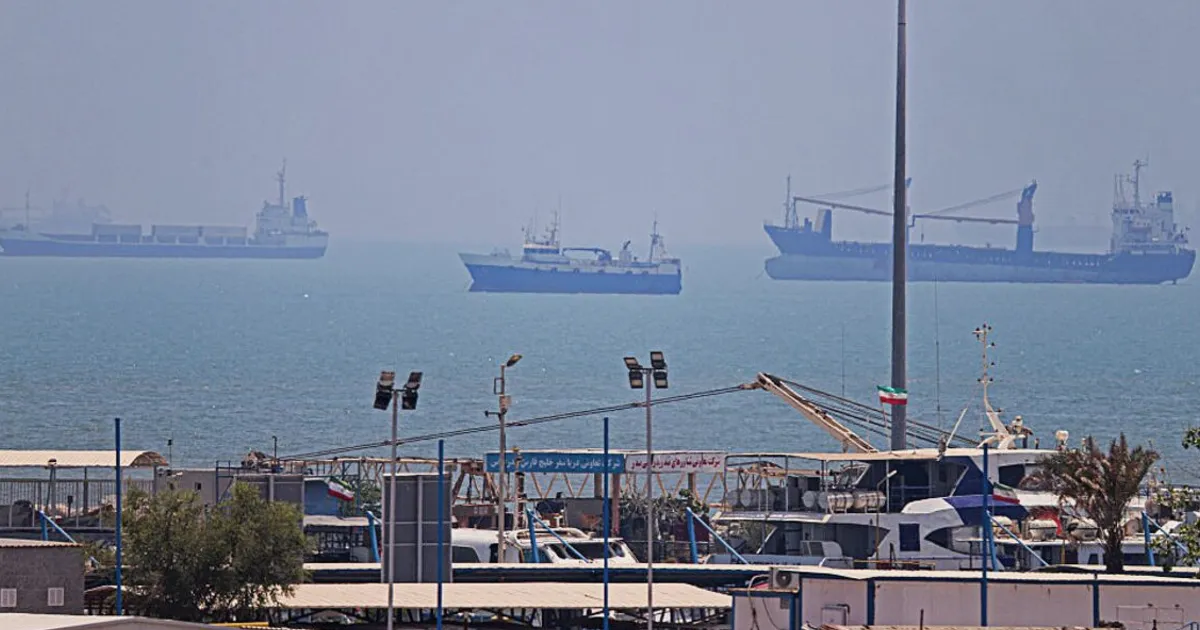
Traffic through the Strait of Hormuz appeared to thin early on Friday, just a day after a burst of oil flows through the waterway as the US and Iran vowed to lift a dual blockade. Shipowners are erring on the side of safety, reducing transits despite the diplomatic signals, reflecting persistent uncertainty over the security of the world's most important oil chokepoint. The strait handles roughly 20% of global oil consumption, and even a temporary reduction in flows can tighten physical crude and product markets. In a contango structure, such disruptions can accelerate storage builds, while in backwardation they amplify spot price spikes. The current Brent-WTI spread has widened modestly, reflecting the geographic risk premium embedded in Brent-linked cargoes that transit the strait versus WTI sourced from the US Gulf.
For fuel markets, the thinning traffic reintroduces supply risk premiums that had briefly eased. The Strait of Hormuz handles about 20% of global oil consumption, and any disruption can quickly tighten crude and product markets. Traders are watching for any further shifts in transit volumes, as sustained reductions could push up freight rates and widen the Brent-WTI spread. The US Strategic Petroleum Reserve (SPR) remains at historically low levels after the 2022 releases, limiting the government's ability to counter supply shocks from the Middle East. Meanwhile, OPEC+ spare capacity—concentrated in Saudi Arabia and the UAE—could be deployed to offset lost Iranian barrels, but only if diplomatic channels remain open. China's marginal demand, which has been tepid due to slow economic recovery, could absorb some diverted cargoes, but refinery margins (crack spreads) are already under pressure from weak diesel demand. For real-time pricing context, traders can check NowPrice's fuel page to monitor current crude and product benchmarks.
Next week, market participants will focus on official transit data from the region, as well as any new statements from US or Iranian officials. The key question is whether the thinning is a temporary caution or the start of a longer-term trend. Any escalation in regional tensions could quickly reverse the recent easing in oil prices, while a return to normal traffic would likely see risk premiums compress again. Saudi-Russia coordination within OPEC+ will be critical: if Moscow and Riyadh signal readiness to raise output, it could cap price gains even if Hormuz flows remain constrained. Conversely, if the thinning persists and spare capacity is slow to come online, backwardation could deepen, pushing prompt crude prices higher and widening product spreads. Traders should monitor weekly US inventory reports and Asian refinery run rates for early signs of supply tightness.