




IEA Warns Oil Inventories Falling at Record Pace Amid Middle East Conflict
The International Energy Agency reports global oil inventories are falling at a record pace and will continue to drop for months as the Middle East conflict disrupts supply through the Strait of Hormuz.
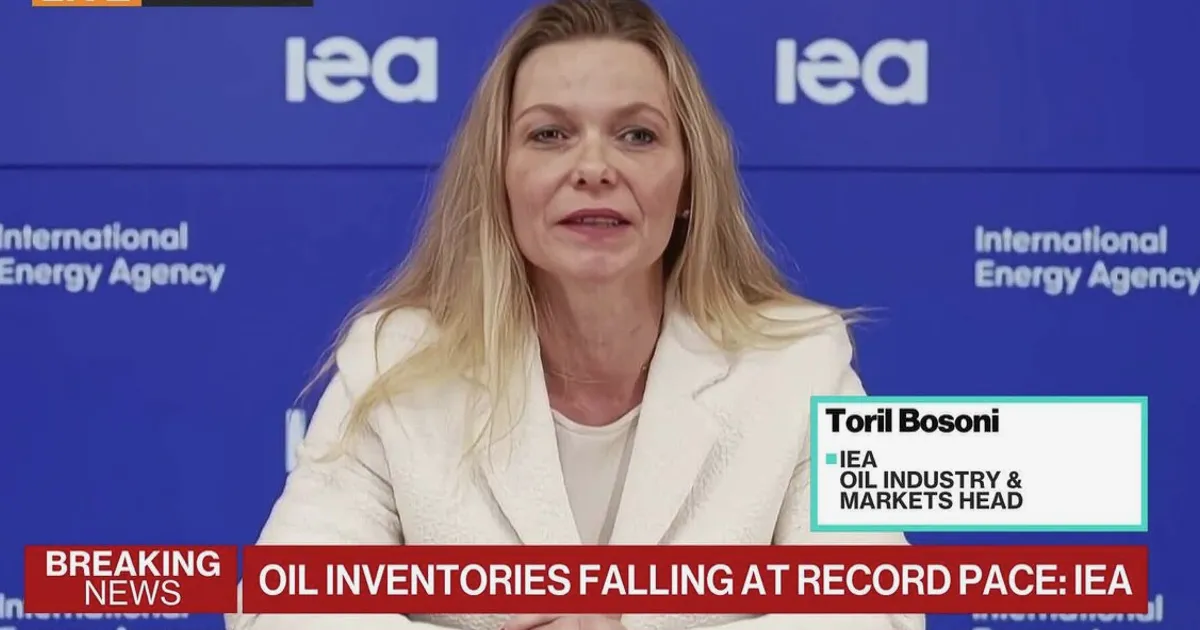
The International Energy Agency has warned that global oil inventories are declining at a record pace and will keep falling for months as the Middle East conflict disrupts shipments through the Strait of Hormuz. Toril Bosoni, head of the IEA's oil industry and markets division, said the drawdown is unprecedented in the agency's data history. The IEA estimates that stockpiles have fallen by over 1 million barrels per day in recent weeks, a rate not seen since the agency began tracking data. This rapid depletion is exacerbated by the fact that OPEC+ spare capacity, which could normally cushion such shocks, is concentrated in a few countries and may be less accessible due to geopolitical constraints. The Brent-WTI spread has widened as a result, reflecting the physical tightness in global markets versus regional dynamics.
The rapid depletion of stockpiles is tightening the physical oil market, putting upward pressure on crude prices. For traders tracking fuel markets, the sustained inventory decline signals that supply is struggling to keep up with demand, especially with key shipping lanes under threat. The Strait of Hormuz, through which about 20% of global oil passes, remains a flashpoint, and any disruption could further strain supply. Meanwhile, US Strategic Petroleum Reserve levels are near 40-year lows, limiting the ability of major consumers to release emergency stocks. Crack spreads have widened as refineries compete for dwindling crude, raising gasoline and diesel prices. China's marginal demand, while slowing, still absorbs a significant share of seaborne barrels, adding to the pressure. Saudi Arabia and Russia, as key OPEC+ leaders, have maintained production cuts, but their coordination may be tested if prices rise too high and threaten demand.
Looking ahead, the IEA expects inventories to continue dropping in the coming months unless geopolitical tensions ease. Traders should watch for any diplomatic developments regarding the Strait of Hormuz, as well as upcoming OPEC+ meetings that could adjust production targets in response to the tightening market. The market structure has shifted into backwardation, where near-term prices exceed longer-dated futures, signaling acute physical scarcity. If the drawdown persists, prices could spike further, potentially triggering demand destruction. However, any easing of tensions or a surprise OPEC+ output increase could quickly reverse the backwardation and ease the squeeze. NowPrice's live fuel dashboard allows traders to monitor price movements in real time as these dynamics unfold.