




India Raises Fuel Prices for First Time in Four Years as Crude Surges
India's state-run refiners raised fuel prices for the first time in four years, driven by higher crude costs amid the Iran conflict and mounting financial pressure on processors.
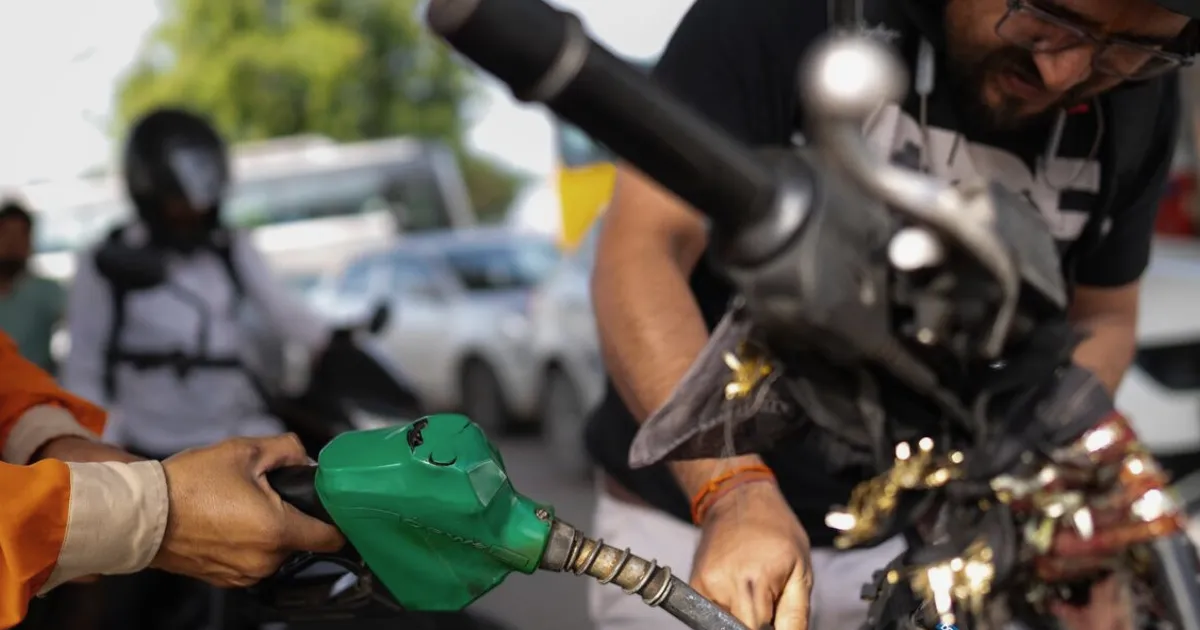
India's state-run refiners have raised fuel prices for the first time in four years, as New Delhi yields to crude prices pushed higher by the war in Iran, and to the resulting financial pressures battering its processors.
The decision marks a significant policy shift for the world's third-largest oil consumer, which had held pump prices steady since 2022 despite rising global crude costs. State-owned oil marketing companies — Indian Oil Corp., Bharat Petroleum Corp., and Hindustan Petroleum Corp. — increased petrol and diesel prices by about 2-3 rupees per liter, according to local reports. The move comes as benchmark Brent crude has surged past $90 per barrel amid escalating tensions in the Middle East, particularly the Iran conflict that threatens supply routes through the Strait of Hormuz.
For fuel traders and energy market participants, this price adjustment signals that India's government can no longer absorb the margin squeeze from elevated crude prices. The country imports roughly 85% of its oil needs, making it highly vulnerable to global price spikes. Higher domestic fuel prices could dampen demand growth in one of the world's fastest-growing energy markets, potentially easing some upward pressure on global crude benchmarks. Traders can track the impact on real-time fuel prices and crack spreads using NowPrice's live dashboard, which monitors retail and wholesale fuel costs across major Asian markets.
Looking ahead, market attention will focus on whether other Asian importers follow India's lead in passing through higher crude costs to consumers. The Indian government's ability to sustain further price hikes will depend on the trajectory of Brent crude and the duration of the Iran conflict. Key data points to watch include weekly Indian fuel demand figures, OPEC+ production decisions, and any diplomatic developments that could de-escalate tensions in the Middle East. A sustained period of high crude prices could force additional adjustments, while a swift resolution to the conflict might allow India to reverse the increases.