




Indonesia Probes Major Palm Oil Companies on Export Price Issues
Indonesia is investigating major palm oil companies for suspected export pricing abuses, adding uncertainty to the global vegetable oil market and potentially tightening supply.
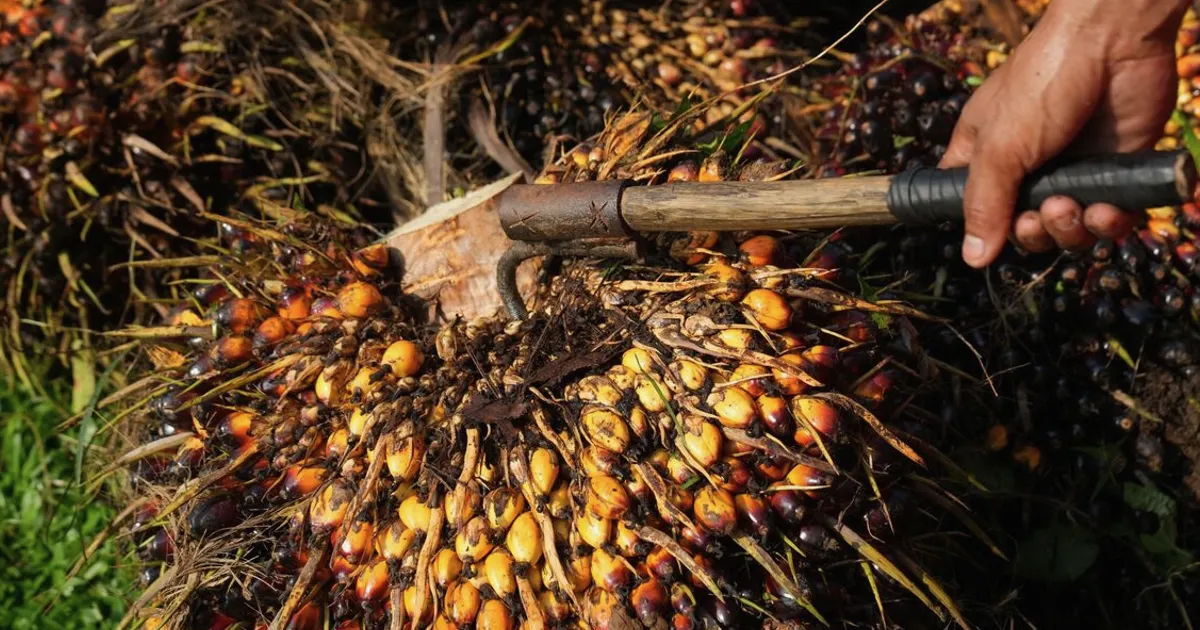
Indonesia is probing some of the world's largest palm oil companies for suspected export pricing violations, escalating regulatory pressure on the industry just days after announcing plans to nationalize shipments of the crop. The investigation targets major producers over allegations they underreported export prices to reduce tax liabilities, a practice that could distort global vegetable oil markets. Palm oil is a key ingredient in food, cosmetics, and biodiesel, and Indonesia accounts for roughly 60% of global supply. Any disruption to export flows could tighten availability and support prices for competing oils like soybean and rapeseed oil. Traders should monitor developments closely, as regulatory actions in Jakarta often trigger volatility in crude palm oil futures. For current pricing on palm oil and other vegetable oils, check NowPrice's vegetable oil page.
This probe matters because it adds a layer of supply uncertainty to an already tight global vegetable oil market. Palm oil is the most widely consumed vegetable oil, and Indonesia's dominance means even minor policy shifts can ripple through the entire complex. The investigation coincides with Jakarta's broader push to nationalize exports, which could fundamentally alter trade flows. In the edible oils market, the crack spread—the margin between crude palm oil and refined products—is already under pressure from high feedstock costs. If enforcement leads to export restrictions, buyers in India and China, the top importers, may scramble for alternatives, boosting demand for soybean oil from the US and Brazil. Meanwhile, the potential for higher palm oil prices could widen the premium over competing oils, reshaping global trade patterns.
Looking ahead, market participants will watch for any formal charges or shipment restrictions that could emerge from the probe. The government's broader push to nationalize palm oil exports also remains a key risk factor. If enforcement intensifies, benchmark crude palm oil futures could test recent highs, while import-dependent buyers in India and China may face higher costs. Traders should also monitor the contango structure in palm oil futures, which could steepen if supply fears persist. Any escalation in the probe might trigger a backwardation if spot shortages emerge. Additionally, the impact on biodiesel mandates in Indonesia and Malaysia could alter demand dynamics, as higher palm oil prices may squeeze blending margins. For now, the market remains on edge, with every regulatory announcement capable of sparking sharp price moves.