




Iran's Oil Exports Through Hormuz Hit Wartime High
Iran has ramped up oil exports through the Strait of Hormuz to a wartime high after the US lifted its naval blockade, with three supertankers carrying 6 million barrels already in transit.
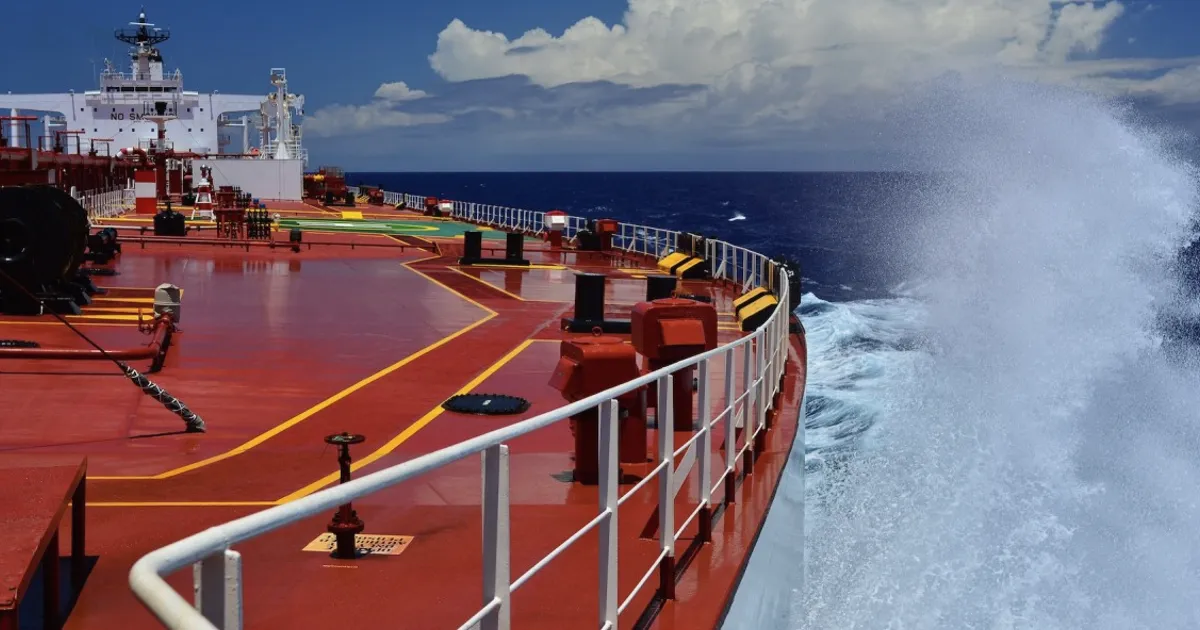
Iran has pushed its oil exports through the Strait of Hormuz to a wartime high, capitalizing on the recent US decision to lift its naval blockade outside the chokepoint. At least three supertankers carrying a combined 6 million barrels have already departed, signaling Tehran's urgency to clear a backlog of crude that had been stranded by the blockade over the past two months.
The surge in Iranian crude flows through Hormuz carries significant implications for global oil markets. The Strait of Hormuz is the world's most critical oil chokepoint, handling about 20% of global petroleum consumption. Any disruption or congestion there can instantly tighten supply and spike prices. With Iran now rushing barrels to market, traders are watching for potential downward pressure on crude benchmarks, especially if the US and Iran continue discussions on a lasting peace deal that could further ease sanctions. For real-time tracking of these flows and their impact on prices, traders can monitor NowPrice's live fuel dashboard.
Looking ahead, the key question is whether this export surge is a temporary clearance or the start of a sustained increase in Iranian supply. The outcome of US-Iran negotiations will be crucial, as will the response from Western shippers and insurers, who remain wary of conflicting signals about the strait's openness. Any new geopolitical development could quickly reverse the current trend, making the Hormuz chokepoint a focal point for oil traders in the coming weeks.