




Iran Oil Return Could Reshape Global Fuel Markets
Analysts highlight that the potential return of Iranian oil to global markets could increase supply and reduce uncertainty, impacting fuel prices and geopolitics.
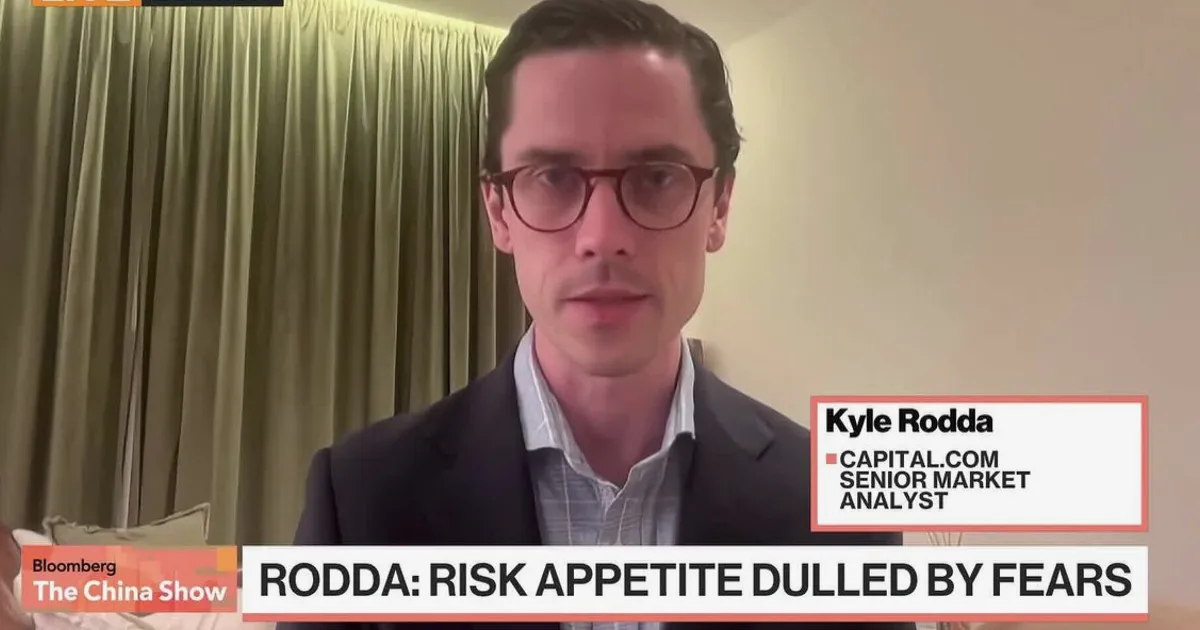
Analysts are pointing to a potential shift in global fuel markets as the United States signals a willingness to reintegrate Iran into international trade, allowing its oil to flow freely again. Kyle Rodda of Capital.com noted that the significance of this development should not be understated, as it could bring substantial supply back to a market that has been tightly managed by OPEC+. The prospect of additional Iranian barrels comes at a time when OPEC+ spare capacity, particularly in Saudi Arabia and the UAE, remains ample, providing a buffer that could be used to offset any supply disruptions or accommodate new entrants. The Brent-WTI spread, currently reflecting the relative strength of global versus US crude, may narrow if Iranian oil competes directly with medium-sour grades in the Asian market. Meanwhile, the US Strategic Petroleum Reserve (SPR) stands at its lowest level in decades after the Biden administration's historic drawdown, limiting the government's ability to intervene in case of price spikes. Crack-spread economics, which measure refining margins, could come under pressure if increased crude supply leads to lower feedstock costs but also signals weaker demand for finished products.
The return of Iranian oil would increase global supply, potentially putting downward pressure on crude prices and reshaping the dynamics of fuel markets. For traders, this means monitoring the Brent-WTI spread and crack spreads, as increased supply could narrow margins for refiners. China's marginal demand, a key driver of global oil consumption, remains uncertain amid its economic slowdown and shift toward electric vehicles, which could amplify the bearish impact of additional Iranian barrels. Saudi-Russia coordination within OPEC+ will be crucial, as both nations have historically resisted output increases that could undermine prices, but may need to adjust their quotas to accommodate Iran's return. Contango or backwardation in the futures curve will signal market expectations: a contango structure would indicate oversupply, encouraging storage, while backwardation would reflect tightness. NowPrice's live fuel prices and charts show how the market is reacting to these geopolitical signals, with crude benchmarks already pricing in some of the expected supply.
Looking ahead, the key question is how quickly Iran can ramp up production and exports, and whether OPEC+ will adjust its quotas to accommodate the extra barrels. Traders should watch for official statements from the Biden administration and OPEC+ meetings, as well as inventory data from the US Energy Information Administration. Any concrete steps toward lifting sanctions could trigger a significant repricing in fuel markets, with potential implications for gasoline prices at the pump and heating oil costs in the coming winter season.