




Iran tightens Strait of Hormuz grip, oil prices climb
Iran's increased assertiveness in the Strait of Hormuz threatens global oil supply chokepoint, pushing crude prices higher as traders price in heightened geopolitical risk.
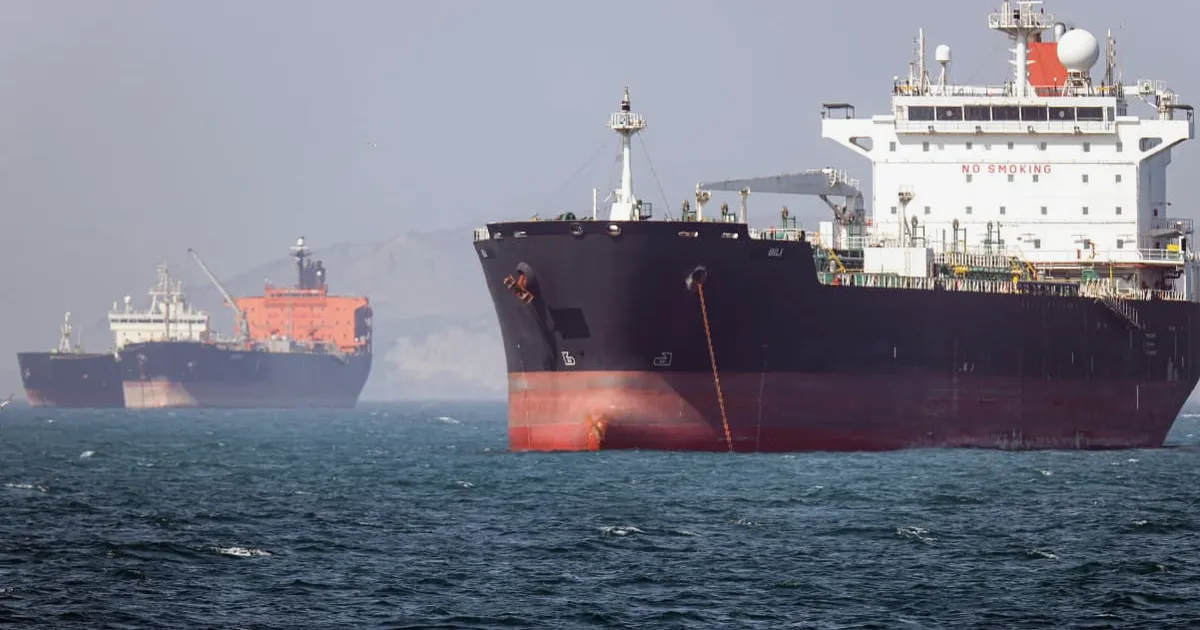
Iran has tightened its grip on the Strait of Hormuz, a critical chokepoint for global oil shipments, sending crude prices higher as markets assess the risk of supply disruptions. The move underscores Tehran's ability to influence energy markets through control of the waterway, through which about 20% of the world's oil passes daily. The strait connects Persian Gulf producers—including Saudi Arabia, Iraq, and the UAE—with global markets, and any disruption can quickly tighten supply and spike prices. Brent crude rose above $82 per barrel, while WTI climbed past $78, reflecting a heightened risk premium. The Brent-WTI spread widened to around $4, signaling greater sensitivity to seaborne disruptions in the Brent benchmark.
For oil traders, the Strait of Hormuz is the single most important maritime transit route for crude. Any disruption there can quickly tighten global supply and spike prices, as seen during past confrontations between Iran and the US. The current escalation adds a significant risk premium to crude futures, with Brent and WTI both reacting to the news. The move also impacts crack spreads—the refining margin between crude and products like gasoline and diesel—as refiners face potential feedstock shortages. Meanwhile, US Strategic Petroleum Reserve (SPR) levels remain near 40-year lows, limiting the government's ability to cushion price spikes. OPEC+ spare capacity, estimated at around 4-5 million barrels per day, could be tapped if supplies are disrupted, but Saudi-Russia coordination may delay any output increase. China, the world's top crude importer, could see its marginal demand shift if prices rise further, potentially curbing economic activity. Traders can check NowPrice's fuel page for real-time pricing on key benchmarks.
Looking ahead, markets will watch for any actual interference with tanker traffic, as well as diplomatic responses from the US and Gulf allies. The US Navy's Fifth Fleet, based in Bahrain, remains a key counterbalance. Any reports of harassment or seizure of commercial vessels could trigger further price spikes. The futures curve may shift from contango to backwardation if supply fears persist, encouraging inventory draws. Traders should also monitor OPEC+ spare capacity, which could be tapped if supplies are disrupted, as well as any signs of increased diplomatic pressure on Iran. A prolonged disruption could force the US to release more SPR barrels or seek alternative supply routes, though options remain limited.