




Iran Tanker Cluster at Kharg Island Hits Post-Blockade High
A cluster of 23 tankers has formed around Iran's Kharg Island, the largest since the US Navy blockade began a month ago, threatening oil supply flows.
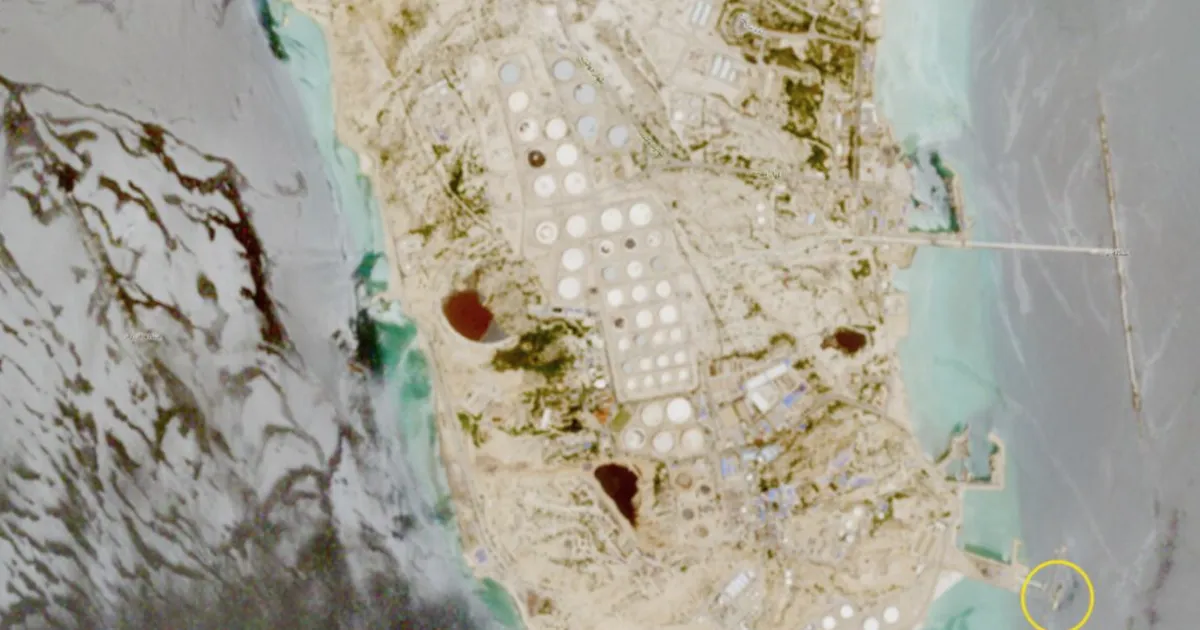
Some 23 tankers have been spotted around Iran’s principal oil-export hub, Kharg Island, marking the largest cluster to gather there since the US Navy began a blockade on the country’s ports a month ago, interdicting and seizing ships. The buildup suggests that Iran is stockpiling crude exports as the naval blockade tightens, potentially disrupting global oil supply chains. This congestion comes as OPEC+ spare capacity remains concentrated in Saudi Arabia and the UAE, with Iran’s 1.5 million barrels per day of exports representing a significant share of global marginal supply. The tanker queue at Kharg Island reflects a growing bottleneck that could tighten physical crude markets, especially given the current backwardation structure in Brent futures, which already signals near-term supply scarcity. Meanwhile, the US Strategic Petroleum Reserve stands at its lowest level in decades, limiting Washington’s ability to counter price spikes through emergency releases.
For oil and energy traders, the congestion at Kharg Island signals a growing bottleneck in Iranian crude exports, which could tighten global supply and support prices. Iran exports roughly 1.5 million barrels per day, and any sustained disruption could widen the Brent-WTI spread and increase volatility in crude futures. The crack spread—the refining margin between crude and products like gasoline and diesel—could also widen if Iranian heavy sour crude is taken offline, as refineries in Asia and Europe may need to source alternative grades at higher costs. China, as Iran’s largest buyer, may face reduced marginal demand for its independent refiners, potentially shifting crude flows from the Middle East to other basins. Traders can monitor the situation in real time using NowPrice's live fuel dashboard to track price moves in crude benchmarks and refined products, as well as changes in contango or backwardation across the futures curve.
Looking ahead, the key question is how long the tanker backlog persists and whether diplomatic efforts can ease the blockade. Any escalation in the Gulf region could further threaten shipping lanes, while a resolution might release a wave of Iranian crude into the market. The coordination between Saudi Arabia and Russia within OPEC+ will be critical: Riyadh and Moscow may choose to fill any supply gap or maintain output discipline to support prices. Traders should watch for US Navy statements, Iranian countermeasures, and weekly inventory data for signs of supply tightness. Additionally, the evolution of the Brent-WTI spread and the shape of the forward curve will provide clues about whether the market expects a prolonged disruption or a swift diplomatic resolution.