




Iran Tensions Open Door for China-US Gas Trade Talks
Escalating Iran tensions may revive China-US gas trade talks as Xi and Trump meet, potentially easing tariffs that disrupted global fuel flows.
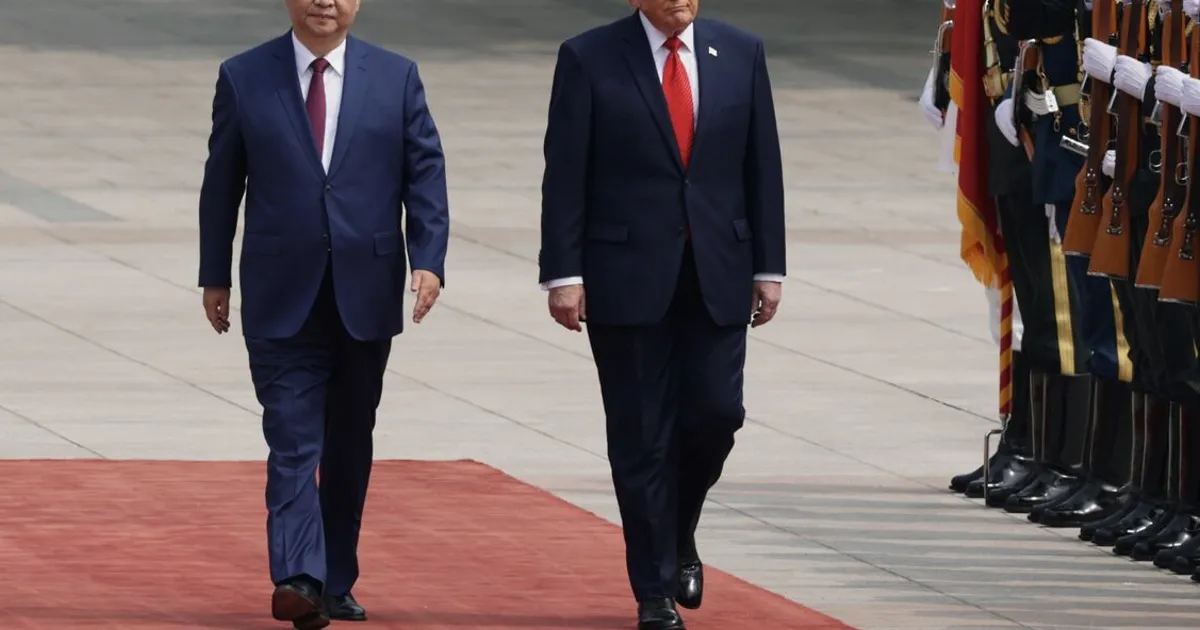
Escalating tensions with Iran may provide Chinese President Xi Jinping and US President Donald Trump an opening to restart energy trade talks when they meet in Beijing this week. The dispute over Chinese tariffs on US oil and gas has reshaped global fuel flows, and any breakthrough could have significant implications for energy markets. The tariff war has disrupted the typical flow of US crude and LNG to China, forcing Chinese refiners to seek alternative supplies from the Middle East and Russia, while US exporters have redirected cargoes to Europe and Asia. A deal could realign these flows, potentially narrowing the Brent-WTI spread as US crude regains access to Chinese refineries.
For oil, gas and energy commodities traders, the potential for a US-China gas deal is a key development to monitor. China is the world's largest importer of LNG, and US LNG exports have been a major growth story. Tariffs have disrupted this trade, pushing Chinese buyers toward alternative suppliers like Qatar and Australia. A resolution could reopen a major demand source for US gas, supporting prices and altering global LNG supply routes. The crack spread—the margin between crude oil and refined products—could also be affected, as Chinese independent refiners may increase runs if US crude becomes more affordable. Meanwhile, OPEC+ spare capacity remains ample, but any easing of trade tensions could boost China's marginal demand, tightening the global balance. Traders can check NowPrice's fuel page for current LNG and crude pricing context.
Looking ahead, the Xi-Trump meeting will be closely watched for any concrete announcements on tariff reductions or energy deals. Market participants will also monitor the impact of Iran tensions on oil supply and risk premiums. Any sign of progress in US-China trade relations could boost risk appetite and support energy prices, while a failure to reach a deal may prolong uncertainty. The US Strategic Petroleum Reserve (SPR) remains at historically low levels, limiting the government's ability to intervene in case of supply disruptions. Additionally, the forward curve for crude has shifted from contango to backwardation in recent months, reflecting tighter near-term supply. Saudi-Russia coordination within OPEC+ will also be key, as any US-China deal could reduce the need for deeper production cuts. Traders should watch for any announcements on tariff reductions or energy purchase commitments that could reshape global fuel flows.