




Iran Races to Attract Major Asian Oil Buyers After US Waiver
Iran is aggressively courting Asia's top oil importers after a 60-day US sanctions waiver took effect, potentially boosting supply and easing a cargo backlog.
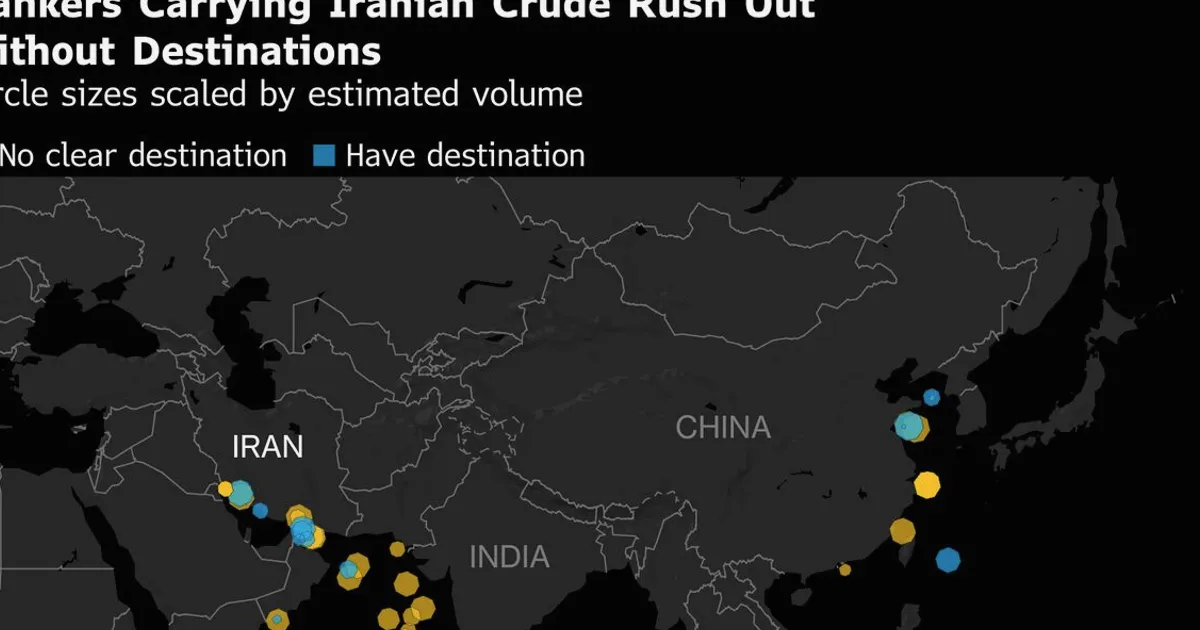
Iran is racing to secure deals with Asia's largest oil importers after a 60-day US sanctions waiver took effect, offering Tehran a temporary window to resume exports and clear a backlog of cargoes. The waiver, granted amid ongoing peace talks, provides a short-term lifeline for Iran's oil industry, which has been constrained by sanctions. This move comes as Iran holds significant volumes of crude in floating storage, estimated at tens of millions of barrels, that could quickly hit the market. The waiver allows Iran to bypass some restrictions, but buyers must still navigate US banking and shipping hurdles, making the window critical for Tehran to offload stored oil.
For oil and gas traders, this development signals a potential increase in global supply, particularly from Iranian crude that has been sitting in storage. If Iran successfully attracts buyers in Asia—home to the world's top importers like China, India, and South Korea—it could pressure prices, especially given the current market dynamics. The Brent-WTI spread has been narrowing, and any additional supply from Iran could widen it again, while US Strategic Petroleum Reserve levels remain near historic lows after last year's releases. Crack-spread economics, which measure refining margins, could also be affected if Iranian crude displaces other grades, particularly in Asia where China's marginal demand has been tepid. OPEC+ spare capacity, largely held by Saudi Arabia and the UAE, adds another layer of complexity, as any Iranian output could test the group's cohesion. NowPrice's live fuel prices and charts show how the market is reacting to this news, with traders closely watching for any shifts in supply-demand balances. The contango structure in crude futures has flattened recently, suggesting that the market is less worried about oversupply, but a surge in Iranian exports could push it back into deeper contango, signaling ample supply.
Looking ahead, the key question is whether the waiver will be extended beyond 60 days and how peace talks progress. Traders should monitor Iran's export volumes and any signals from the US regarding future sanctions policy. A sustained increase in Iranian oil flows could weigh on crude prices, while any setback in negotiations might reverse the trend. The Saudi-Russia coordination within OPEC+ will be crucial, as both nations have shown willingness to adjust output to defend prices. If Iran's exports rise significantly, the group may need to decide whether to cut quotas elsewhere or accept lower prices. The backwardation in Brent has been fading, and a return to contango could accelerate if Iranian barrels flood the market. Ultimately, the interplay between US policy, OPEC+ strategy, and Asian demand will determine whether this waiver becomes a game-changer or a temporary blip.