




Iraq's Energy Sector Faces Its Most Important Test in Decades
Iraq's hydrocarbon sector faces a decisive struggle over sovereignty, state authority, and economic survival in the coming months, moving beyond production figures and OPEC quotas.
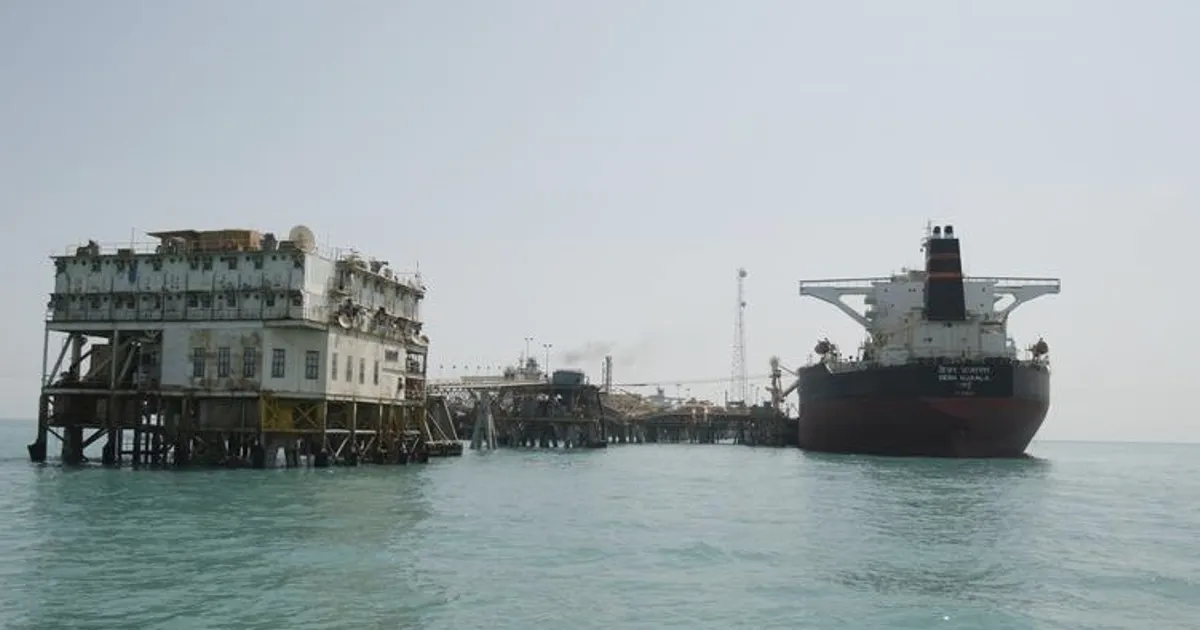
Iraq's energy sector is entering a critical phase that will determine its future, as the government in Baghdad attempts to rebuild amid a struggle over sovereignty, state authority, regional geopolitics, and economic survival. The coming months will prove decisive for the country's hydrocarbon sector, moving beyond traditional discussions of production figures, OPEC quotas, and reserve estimates.
The core of the challenge lies in Iraq's ability to assert control over its energy resources while navigating complex internal and external pressures. The government is seeking to reassert authority over oil fields and contracts, particularly in the semi-autonomous Kurdistan region, where disputes have long hampered investment and production. At the same time, Baghdad must balance relations with major oil companies, regional powers like Iran and Turkey, and OPEC+ partners. The outcome will shape not only Iraq's oil output but also its broader economic stability and political cohesion. For energy traders, the situation introduces significant uncertainty into supply forecasts from one of OPEC's largest producers, with potential implications for global crude markets.
For oil, gas, and energy commodities traders, Iraq's internal power dynamics are a key variable in medium-term supply projections. Any disruption to Iraqi production—whether from political deadlock, infrastructure sabotage, or legal battles over contracts—could tighten global supply, especially if combined with other OPEC+ constraints. The Brent-WTI spread and crude futures may reflect this risk premium, and live fuel prices on NowPrice show how the market is reacting to each new development. Traders should monitor Baghdad's negotiations with the Kurdistan Regional Government and international oil companies, as well as any shifts in OPEC+ quota compliance.
Looking ahead, the key events to watch include the passage of a new oil and gas law, which would clarify revenue-sharing and contract terms, and the resolution of outstanding disputes with Kurdistan. Additionally, Iraq's ability to attract foreign investment for capacity expansion will be critical, as the country aims to increase production in the long term. Any signs of progress or setbacks in these areas will directly impact crude price expectations and risk assessments for the Middle East energy sector.