




Iraq Warns It Might Quit OPEC If It Doesn’t Get Quota Hike
Iraq warned it might leave OPEC unless it gets a higher production quota, echoing the UAE's earlier exit to boost output, raising supply concerns for oil markets.
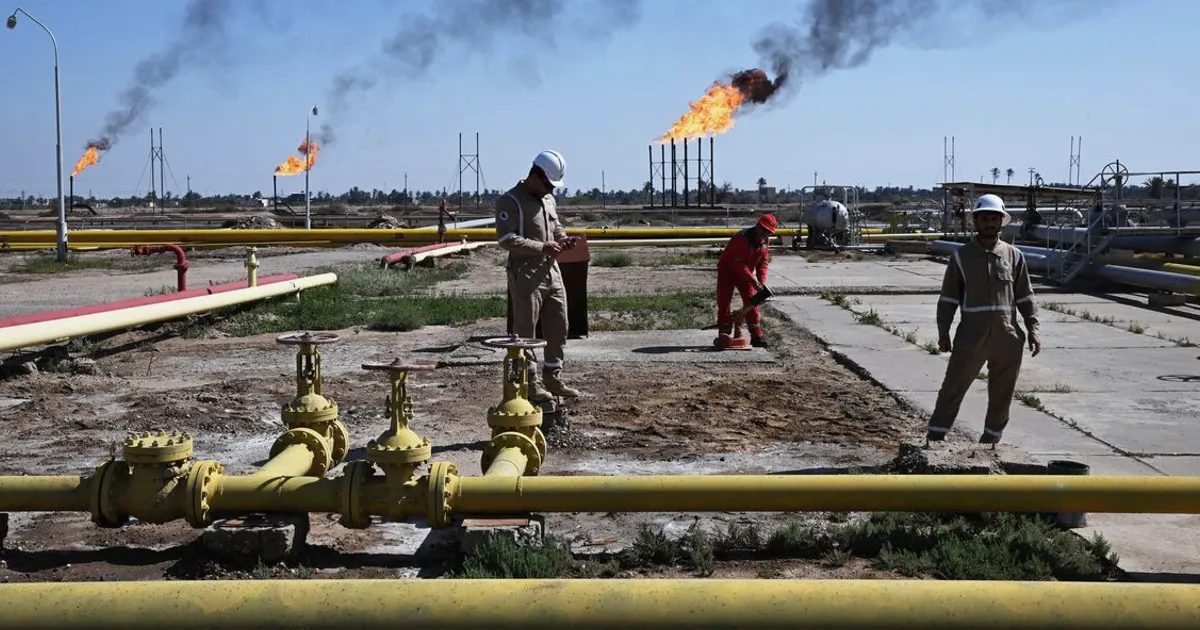
Iraq has warned that it may consider leaving OPEC if the group does not grant it a higher oil production quota, according to a report from Bloomberg. The warning comes just months after the United Arab Emirates exited the organization to pump more crude, highlighting growing tensions within the producer alliance over output levels. Iraq, OPEC's second-largest producer, has long argued that its vast reserves and ambitious investment plans justify a larger share of the group's production ceiling. The threat underscores a fundamental rift between members with aggressive output targets and those constrained by the quota system, which has historically relied on Saudi-Russia coordination to balance supply. OPEC+ spare capacity, estimated at around 4-5 million barrels per day, remains concentrated in Saudi Arabia and the UAE, leaving Iraq with limited room to boost output without exceeding its quota. A potential Iraqi exit could add significant supply to global markets, potentially weighing on oil prices, especially as the Brent-WTI spread narrows and US Strategic Petroleum Reserve levels remain near 40-year lows, limiting emergency buffers.
The warning from OPEC's second-largest producer underscores a long-standing rift between members with ambitious output targets and those constrained by the group's quota system. Iraq has frequently pushed for a larger share, arguing that its reserves and investment plans justify higher production. If Iraq were to follow the UAE's path, it could add significant supply to global markets, potentially weighing on oil prices. NowPrice's live fuel prices and charts show how the market is reacting to these geopolitical developments. The crack spread—the difference between crude oil and refined product prices—has narrowed recently due to weak refining margins, which could further complicate Iraq's calculus if it seeks to maximize revenue from increased output. China's marginal demand, a key driver of global oil consumption, has shown signs of slowing, adding another layer of uncertainty. Meanwhile, the market structure has shifted from backwardation to contango in some grades, signaling ample supply and weak near-term demand, which could amplify the price impact of any additional Iraqi barrels.
Traders are now watching for any formal OPEC response and the outcome of the next ministerial meeting. A potential Iraqi exit could reshape the group's dynamics and test its ability to maintain cohesion. The Saudi-Russia axis, which has anchored OPEC+ discipline since 2016, may face renewed strain if Iraq pushes for a larger quota or departs entirely. Meanwhile, the broader market remains focused on demand trends and the impact of potential supply increases from both OPEC and non-OPEC producers. Key levels to monitor include Brent crude's support near $70 per barrel and the outcome of the next OPEC+ meeting, where quota adjustments could determine whether the group holds together or fractures further.