




Japan Refinery Utilization Hits 73% as Strategic Oil Stocks Flow In
Japan's refinery utilization rate rose above 70% for the first time since March, reaching 73.3% in early May, as releases from strategic petroleum reserves eased a crude supply crunch.
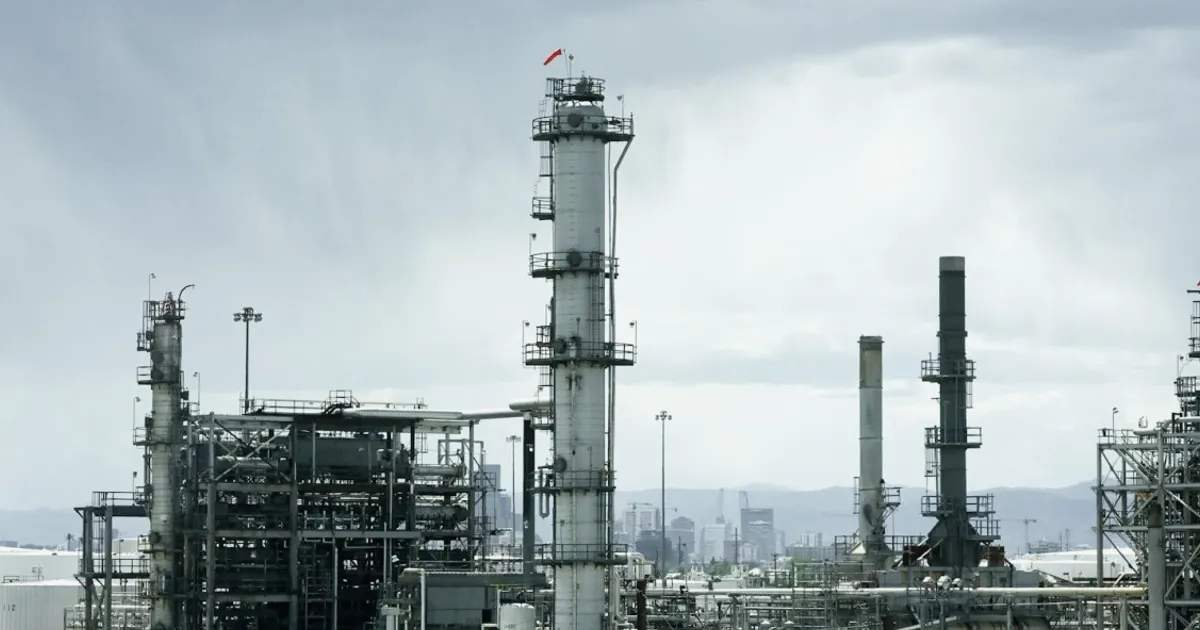
Japan's refinery utilization rate has climbed above 70% for the first time since March, reaching 73.3% in the week ending May 9, according to data from the Petroleum Association of Japan (PAJ). The rebound follows a period of tight crude supply that had constrained refinery operations in March and most of April. The 73.3% figure represents a significant recovery from the lows seen earlier in the spring, when maintenance and supply disruptions kept runs below 65%. This marks the highest utilization since the week ending March 6, when the rate stood at 74.1%.
The recovery in utilization is being driven by releases from Japan's strategic petroleum reserves and increased inflows of non-Middle Eastern crude, which have helped ease the supply crunch. Japan's SPR, which holds roughly 470 million barrels, has been tapped to supplement commercial inventories that fell to multi-year lows. The influx of alternative grades, such as those from the US and West Africa, has also widened the Brent-WTI spread, making US crude more competitive for Asian refiners. For energy traders, higher refinery runs signal improved downstream product availability, which could weigh on refined product margins if demand does not keep pace. The crack spread—the difference between crude oil and refined product prices—has narrowed in recent weeks, with gasoline margins in Singapore falling from $12 per barrel to $9 per barrel as supply increases. NowPrice's real-time fuel quotes show the latest price levels for gasoline, diesel, and other refined products across key Asian hubs, with diesel currently trading at a premium of $15 per barrel over Brent.
Looking ahead, the sustainability of the utilization rebound will depend on continued crude supply from strategic reserves and non-Mideast sources, as well as domestic demand trends. Japan's demand for refined products remains subdued, with gasoline consumption down 3% year-on-year in April, while diesel demand has been flat. Traders will watch PAJ data in the coming weeks for signs of further utilization gains or a plateau, which could indicate whether the supply situation has normalized. Additionally, the contango structure in the Brent futures market—where near-term prices are lower than forward months—suggests ample supply in the short term, but any shift to backwardation could signal tightening. OPEC+ spare capacity, currently estimated at 4 million barrels per day, also looms as a potential source of additional supply if needed, while Saudi-Russia coordination remains a key factor in global crude flows. China's marginal demand, which has been weak due to slow economic recovery, could further pressure Asian refining margins if utilization continues to rise.