




Modi and Albanese Pledge Deeper Economic, Defense, Energy Ties
Indian PM Modi and Australian PM Albanese met in Melbourne to deepen economic, defense, and energy cooperation, signaling stronger bilateral ties.
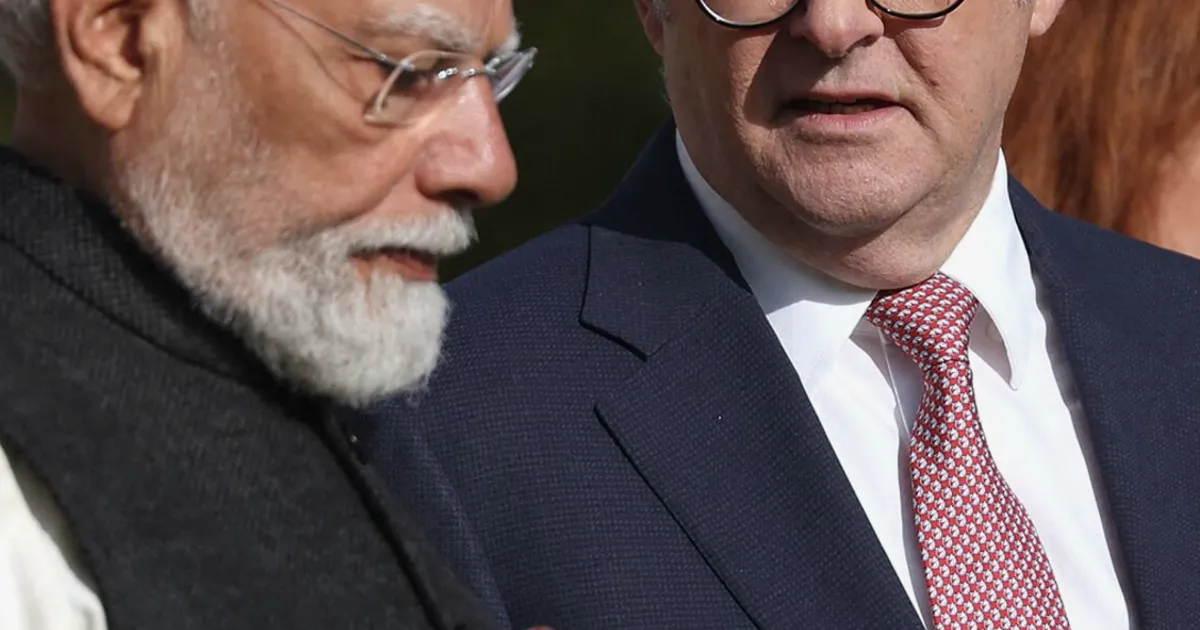
Indian Prime Minister Narendra Modi and Australian Prime Minister Anthony Albanese kicked off a two-day visit in Melbourne on Thursday, pledging to deepen economic and defense ties. The leaders are expected to sign agreements on defense and energy, according to a Bloomberg report. This visit comes amid a broader context of global energy market shifts, where OPEC+ spare capacity remains tight and the Brent-WTI spread has widened due to differing regional dynamics. The US Strategic Petroleum Reserve (SPR) is at historically low levels, adding to supply concerns. Meanwhile, crack-spread economics—the difference between crude oil prices and refined product prices—have been volatile, impacting refinery margins. China's marginal demand for energy has been uneven, with economic recovery still fragile. Saudi-Russia coordination within OPEC+ continues to influence production quotas, while market structure has fluctuated between contango and backwardation, affecting storage incentives.
The visit underscores the growing strategic partnership between India and Australia, both members of the Quad. For energy traders, closer ties could mean increased collaboration on critical minerals and liquefied natural gas (LNG) supply chains. Australia is a major LNG exporter, while India is a key buyer, and any bilateral agreements could influence trade flows. India's growing energy demand, driven by its expanding economy and population, makes it a crucial player in global LNG markets. Australia, as one of the world's largest LNG exporters, stands to benefit from securing long-term contracts with India. The potential for joint investments in critical minerals, such as lithium and cobalt, could also reshape supply chains for battery metals, which are essential for the energy transition. NowPrice's real-time fuel quotes can help traders track the latest price movements in the region, providing insights into how these geopolitical developments affect spot prices.
Looking ahead, market participants will watch for specific energy deals and investment commitments from the talks. Any progress on critical minerals supply chains could also impact battery metal markets. The visit is part of a broader trend of Indo-Pacific nations strengthening economic and security cooperation. Traders should monitor for announcements regarding LNG supply agreements, which could affect regional pricing dynamics. Additionally, any collaboration on critical minerals could influence the cost and availability of raw materials for electric vehicle batteries. The outcome of these talks may also signal the direction of future energy partnerships in the region, potentially affecting global trade flows and investment strategies. As the energy landscape evolves, staying informed through reliable data sources like NowPrice will be essential for market participants.