




North Sea Crude Weakens as Mideast Oil Floods Back to Market
North Sea crude benchmarks weaken as a wave of Middle Eastern oil heads to Europe after the Strait of Hormuz reopening, raising supply glut concerns for fuel traders.
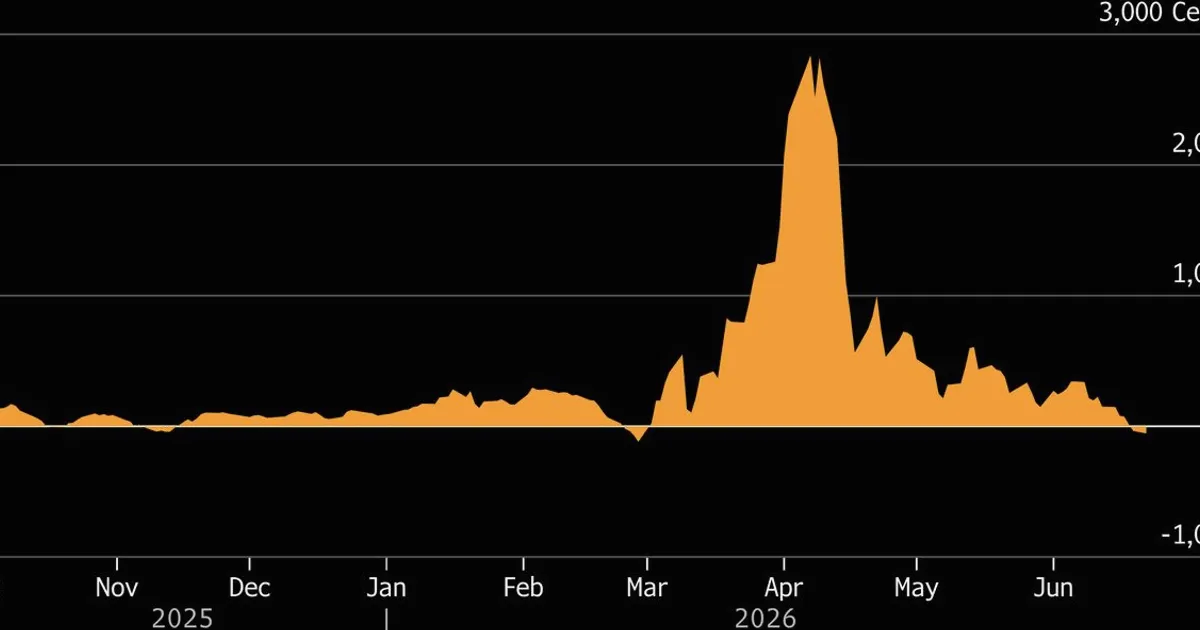
North Sea crude benchmarks are showing signs of weakness as a wave of Middle Eastern oil heads to Europe, fueling concerns about a supply glut following the reopening of the Strait of Hormuz. Key indicators in the North Sea crude market have softened, reflecting increased competition from cheaper Middle Eastern grades. The Dated Brent assessment, a key benchmark for physical cargoes, has slipped relative to futures, while the spread between Forties and Brent has narrowed. This weakness stems from the return of Iraqi Basrah and Saudi Arab Light crude to European refineries, displacing local grades. The market is also contending with a contango structure in the forward curve, where prompt barrels trade at a discount to later deliveries, incentivizing storage and adding to the bearish sentiment.
The influx of Middle Eastern crude into Europe comes after the Strait of Hormuz reopened, allowing tankers to resume normal transit. This has raised the prospect of a supply glut, particularly in the North Sea market, which has been a key pricing benchmark for global oil. For fuel traders, the shift in supply dynamics could weigh on Brent crude prices, as the North Sea grades that underpin the Brent benchmark face downward pressure. The Brent-WTI spread has already widened, making US crude more attractive to European buyers, while US Strategic Petroleum Reserve levels remain near historic lows, limiting the government's ability to intervene. Meanwhile, crack spreads—the profit margin from refining crude into products like gasoline and diesel—have weakened, signaling ample product supply. China's marginal demand, a key driver of global oil prices, remains tepid, further dampening the outlook. Live fuel prices and charts on NowPrice show how the market is reacting to these developments.
Traders are now watching for further signs of inventory builds in Europe, as well as any adjustments from OPEC+ in response to the changing supply landscape. The return of Middle Eastern oil could also widen the Brent-WTI spread, making US crude more competitive in global markets. OPEC+ spare capacity, estimated at over 5 million barrels per day, provides a buffer but also a threat of additional supply if the group decides to unwind cuts. Saudi-Russia coordination remains intact, but the alliance faces pressure to defend market share against rising US output. The coming weeks will be critical in determining whether the weakness in North Sea crude is a temporary adjustment or the start of a sustained downtrend. Traders will also monitor the backwardation in the Brent forward curve, which could flip to contango if inventories continue to build, signaling a deeper surplus.