




Oil Market Nears Breaking Point as US Military Secures Persian Gulf Flows
The US military is helping move 7 million barrels per day out of the Persian Gulf, but oil prices remain below $100 as markets rely on buffers like China's reduced imports.
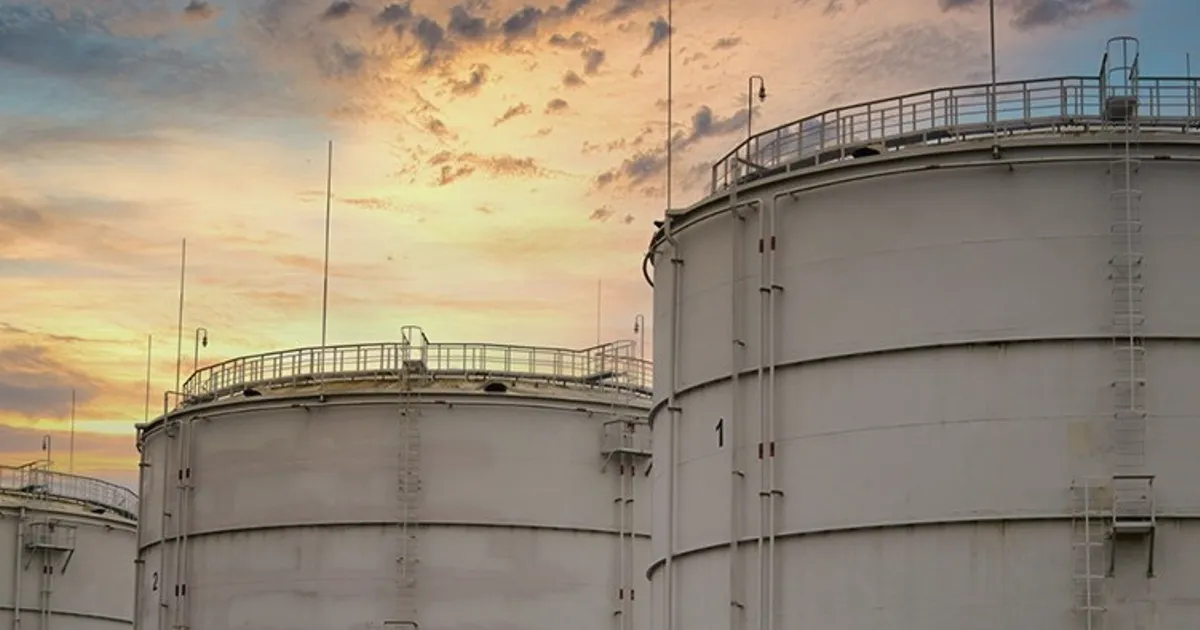
The oil market is approaching a critical juncture as the US military steps in to secure the flow of 7 million barrels per day (bpd) out of the Persian Gulf, according to a statement by a US official. Three and a half months after the Strait of Hormuz blockade caused the worst oil supply disruption in history, crude prices remain below $100 per barrel, defying expectations of a sharper spike. This price resilience is partly explained by the current market structure: futures markets are in contango, where near-term prices are lower than later-dated contracts, signaling ample supply and encouraging storage. The Brent-WTI spread has narrowed, reflecting balanced regional flows, while crack spreads—the difference between crude and refined product prices—remain moderate, indicating that refineries are not under acute margin pressure.
For energy traders, the disconnect between the supply shock and price action highlights the role of market buffers. China, the world's top crude importer, has slashed imports, reducing demand-side pressure. This marginal demand drop from China, combined with a drawdown from the US Strategic Petroleum Reserve (SPR), which currently holds around 370 million barrels, has provided additional cushion. OPEC+ spare capacity, estimated at roughly 4-5 million bpd, mostly concentrated in Saudi Arabia and the UAE, remains a theoretical backstop, though its rapid deployment is uncertain. Saudi-Russia coordination within OPEC+ has historically been a stabilizing force, but the current disruption tests their willingness to ramp up output. The contango structure and ample storage capacity suggest near-term supply is adequate, but the situation remains fragile. Traders can check NowPrice's fuel page for real-time pricing on crude benchmarks and refined products.
Looking ahead, the key risk is whether these buffers can hold. A sustained disruption could quickly drain inventories, pushing prices higher. The SPR can release only about 1 million bpd for a limited time, and OPEC+ spare capacity may not be fully accessible due to infrastructure or political constraints. If backwardation emerges—where near-term prices exceed later-dated contracts—it would signal acute scarcity. Traders should watch for updates on US-Iran negotiations, Chinese import data, and weekly US inventory reports. The market is weeks away from a potential breaking point if supply flows are not fully restored.